


Summary:
The Legend of Zelda: Ocarina of Time for Nintendo Switch 2 hit an impressive milestone in its first week on sale, taking the crown as 2026’s best-selling physical game in the United States according to Circana’s retail tracking. That achievement lines up with Nintendo’s own announcement that the remake moved over 5.2 million copies worldwide in its first four days, a figure that includes both physical and digital sales. The remake’s strong opening is notable not only for raw numbers but also for what it signals about Switch 2 owners’ appetite for boxed releases and high-profile Nintendo franchises. This piece breaks down the Circana data, compares this launch to Tears of the Kingdom and other Zelda releases, looks at regional performance including the UK, and explains why physical sales still matter for Nintendo and retailers. If you want specific help while playing, check our guides for Ocarina of Time like the Fishing Pond guide, and follow the Nintendo Switch 2 section for more updates.
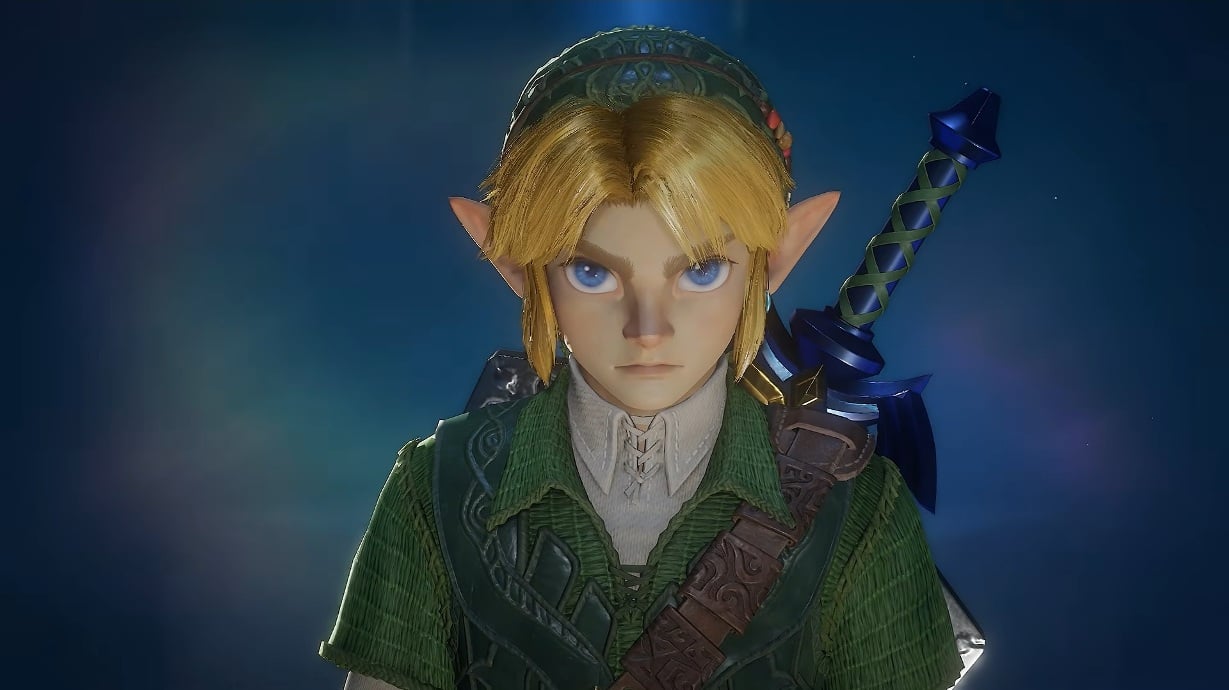
The Legend Zelda – Ocarina of Time remake smashes US physical sales in one week
Right out of the gate the Ocarina of Time remake made a loud statement at retail: Circana’s numbers show it sold more physical copies in its launch week than any other 2026 release in the United States. Selling more than one million boxed copies in a single week is a rare feat in today’s market, and this kind of performance for a remake of a classic N64 title tells you a lot about both the strength of the Zelda brand and the ongoing resilience of physical formats among Nintendo fans. For collectors, longtime players, and newcomers who value cartridges and boxed editions, this launch has been a must-buy. The result also highlights how a well-handled remake, balanced between faithful preservation and modern polish, can mobilize a broad audience fast. If you’ve been tracking Switch 2 momentum, the launch of Ocarina of Time is a clear sign that premium first-party Nintendo releases remain major retail drivers.
Circana’s data: 1 million boxed copies in launch week
Circana’s retail tracking, called out publicly by industry analyst Mat Piscatella, covered the game’s first week on sale and recorded more than 1 million physical units sold in the U.S. in that window. That figure matters because it’s based on tracked retail sales rather than publisher-claimed shipments, giving a direct view of consumer demand at stores and online retailers that still report as physical. Data running through the opening week provides early but tangible evidence of how the title performed against the rest of the year’s catalogue. The number also reflects how much pent-up interest there was among Switch 2 owners and collectors who prefer a physical keepsake. In short, Circana’s snapshot confirms that the remake didn’t just sell well digitally or in niche markets — it moved physical product at scale in the U.S.
How this stacks up against Tears of the Kingdom and other Zelda launches
One of the most striking comparisons is that Ocarina of Time is the first game to surpass one million physical units in a U.S. launch week since The Legend of Zelda: Tears of the Kingdom in 2023. That places the remake in rare company and underscores the consistent commercial weight of major Zelda releases. Tears of the Kingdom set a high bar when it launched, and Ocarina’s quick climb back above the one-million physical mark suggests Zelda remains Nintendo’s most reliable franchise for driving large-scale boxed sales. Comparing launches across different hardware generations isn’t perfect—install bases, retail landscapes, and digital adoption all shift—but the headline still shows a clear pattern: Zelda titles continue to push the needle for physical retail performance.
Nintendo’s worldwide numbers: 5.2 million in four days
Nintendo’s own announcement confirmed that the remake sold over 5.2 million units worldwide within its first four days, a total that includes both physical and digital copies and which Nintendo framed as the platform’s fastest four-day result for a Nintendo-published Switch 2 title. That kind of global start is impressive in pure volume and helps explain why the title moved so strongly in specific retail markets like the U.S. and the UK. Nintendo’s figure is a company statement, and it gives useful context about worldwide demand and regional splits. Taken together with Circana’s U.S.-specific data, the picture is of a launch that performed very strongly at retail and across digital storefronts, making it one of the year’s breakout hits for the platform.
UK and other regional performance: big openings across markets
Across the pond the remake also registered a major launch, posting the biggest physical game launch of 2026 so far in the UK and ranking among the biggest Zelda openings in that territory’s history. Regional charts matter because they reveal where demand concentrated and how collectors and fans in different markets prioritize boxed editions. The UK result complements the U.S. numbers by showing the remake’s appeal isn’t limited to a single region: European interest and strong Japanese sales reported by Nintendo helped push global totals up quickly. For players and collectors in those regions, it translated into sold-out shelves and brisk pre-order activity, while retailers welcomed the boost during a competitive holiday window.
Why physical sales still matter for Switch 2
Even in an era dominated by digital distribution, physical sales retain several important roles that affect both fans and the industry. Physical editions offer collectors a tactile product, often with art, manuals, or pre-order extras that digital versions don’t include, and many Switch 2 owners still prefer cartridges for resale value or offline convenience. Retailers benefit from boxed releases because they bring foot traffic and higher-margin opportunities tied to display merchandising. For Nintendo, strong physical sales help support relationships with retail partners and give a clearer view of how packaging and special editions influence buyer behavior. Finally, certain demographics and regions still rely heavily on boxed copies, so a strong physical launch can signal lasting mainstream interest beyond niche collector circles.
Retail trends, code-in-box releases, and GTA 6’s impact
2026’s retail environment includes some oddities, like titles released as “code-in-box” physical products where the package contains a download code instead of a disc or cartridge. Circana’s tracking counts those as physical sales, which complicates direct comparisons between traditional boxed cartridges and code-in-box releases. Grand Theft Auto 6 launched as a code-in-box title in the same period, and while its overall sales will dwarf most releases, there’s a real technicality when ranking “physical” success. Still, Ocarina of Time’s boxed cartridge numbers show that tangible copies remain highly sought after among Nintendo fans. For retailers, the mix of physical formats and code-in-box offerings adds planning complexity, but strong demand for boxed Zelda titles proves there’s still a reliable market for classic physical editions.
Where to find guides, completion lists, and next updates
If you’re already playing Ocarina of Time and want help hitting every mark, NintendoReporters has a range of walkthroughs and focused guides to help with collectibles, challenges, and secrets. For example you can check our Fishing Pond guide for tips and rewards, or browse the Switch 2 hub for broader coverage. Circana will publish a fuller monthly sales report on December 17, which should give a more complete, month-to-date picture for November once that report is out. Until then, follow updates from retail trackers and Nintendo’s own releases for the next official milestones. If you prefer, join community discussions to share impressions, trades, and tips as stock and restocks play out at local stores.
Conclusion
Ocarina of Time’s quick rise to the top of 2026’s U.S. physical sales list shows how powerful Nintendo’s franchises remain, and how much value fans place on boxed, cartridge-based releases. With Nintendo’s global figures and Circana’s retail snapshot aligning, the remake’s launch is a rare combination of nostalgia, modern polish, and strong retail demand. Whether you’re collecting a boxed copy, playing through the game, or watching sales charts, this launch is a reminder that major Nintendo releases still shape the industry’s retail landscape.
FAQs
- How many physical copies did Ocarina of Time sell in the U.S. during its first week?
- Circana’s tracking shows the remake sold more than 1 million physical copies in the United States during its launch week, making it the best-selling US physical game of 2026 so far.
- What global sales figures did Nintendo report for the remake?
- Nintendo announced that the game sold over 5.2 million units worldwide in its first four days, a total that includes both physical and digital sales.
- Is this the biggest Zelda launch ever?
- The remake posted one of the strongest short-term starts for a Zelda release, but rankings vary by region and by whether you compare four-day global totals, first-week retail sales, or lifetime figures. It is, however, among the fastest starts on Switch 2.
- Will Circana publish more detailed sales data soon?
- Circana issues monthly sales reports; the next full November report is scheduled for December 17 and should offer a broader view of the month’s retail performance.
- Where can I find help for finishing the game 100%?
- NintendoReporters has multiple Ocarina of Time guides, including specialized walkthroughs like the Fishing Pond guide that can help you track collectibles and rewards.
Sources
- The Legend of Zelda: Ocarina of Time for Nintendo Switch 2 Sells Over 5.2 Million Units Worldwide in First Four Days, Nintendo Co., Ltd., November 11, 2026
- Zelda Ocarina of Time remake is the best-selling physical game in the US in 2026 so far, passing 1 million in its first week, Video Games Chronicle, November 17, 2026
- Zelda: Ocarina Of Time Remake Crowned 2026’s “Best-Selling Physical Video Game In The US”, Nintendo Life, November 17, 2026
- Zelda: Ocarina Of Time Remake Sold 1 Million Physical Copies In Its First Week, Kotaku, November 17, 2026