

Summary:
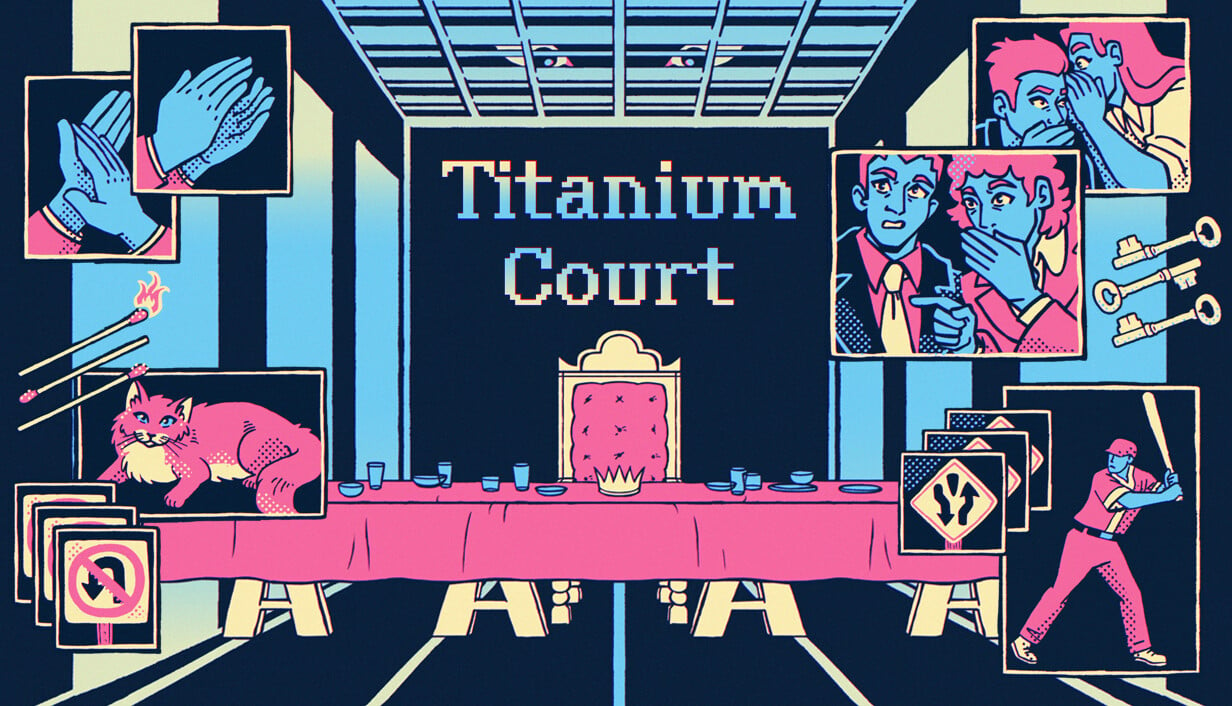
Titanium Court, developed by AP Thomson and published by Fellow Traveller, is heading to handheld and home Nintendo platforms on October 29, 2026. The game blends match-3 puzzles, tower defense mechanics, and roguelike progression with sharp, surreal writing and a whimsical faerie-court setting. Players take command of the Court across runs made of multiple battles, shaping the battlefield during a match-3 High Tide phase then watching their choices play out during Low Tide combat. The title first launched on PC earlier in 2026 and now arrives on Nintendo Switch and Nintendo Switch 2, bringing the same quirky tone and strategic puzzles to portable play. NintendoReporters will keep tracking playable differences and release details so fans know what to expect come October 29, 2026.
Titanium Court’s Nintendo release
Titanium Court mixes a surprising set of mechanics into something memorable: a match-3 puzzler that feeds into tower defense battles inside a roguelike loop. On October 29, 2026 the game will be released for Nintendo Switch and Nintendo Switch 2, joining earlier PC availability. This announcement matters for Nintendo players because the game’s bite-sized runs and text-forward encounters suit handheld play, while the surreal writing and frequent short battles fit living-room sessions too. For many players the draw will be how the High Tide tile-matching phase directly alters the upcoming fight, turning what looks like a simple puzzle into a tactical decision each day. The announcement signals Fellows Traveller and AP Thomson expanding the audience, and it gives Switch owners a chance to experience one of 2026’s most talked-about indie titles without switching to PC. NintendoReporters will follow performance, control mapping, and any platform-specific features as launch approaches.
Gameplay essentials – match-3 meets tower defense and roguelike loops
At its core Titanium Court asks you to think two steps ahead. Before combat you slide tiles in a match-3 phase to gather resources, destroy enemy forts, and rearrange terrain in your favor. Those choices then determine what you can afford and where you can place units in the Low Tide phase, after which automated battles resolve in quick, punchy sequences. That tug-of-war between precise planning and chaotic resolution is the game’s signature: you manipulate the map but you do not manually micromanage every soldier in battle. Over multiple runs you unlock upgrades, find events, and make permanent gains that influence future attempts. The roguelike progression gives each run stakes without being punitive, while the short battles suit the bite-sized sessions many Switch players prefer. Controls and UI on Switch hardware will be key to whether tile-swapping feels smooth on handheld screens or the docked TV, and that’s a detail NintendoReporters will test at launch. If you like strategy that rewards chess-like thinking but still moves fast, this one’s worth a look.
Narrative tone and writing – why the world stands out
Titanium Court’s writing leans into surreal, absurd humor and frequent, unexpected metaphors. The setting is a faerie court obsessed with rituals and tiny daily wars, and the dialogue packs a lot of personality into short exchanges. Characters ask odd questions, the court has baffling rules, and small story beats appear between runs, offering reasons to poke around the environment. That narrative layer turns routine runs into discoveries: you might be drawn forward by curiosity as much as by mechanical progression. The voice is deliberately offbeat and often jokes at player expectations, which makes the game feel like a comedic theatre piece as much as it does a strategy title. For Nintendo players who love strong writing in indie games, Titanium Court’s tone is a major selling point – it rewards paying attention and indulging in small, weird moments between fights.
Release details and platforms – what you need to know
Originally launched on PC earlier in 2026, Titanium Court’s console and mobile rollout brings the title to a wider audience on October 29, 2026. The Switch and Switch 2 releases are digital, with the publisher Fellow Traveller handling distribution. Platform parity questions are common when an indie moves from PC to consoles: will load times differ, will UI scale cleanly to a 720p handheld screen, and will controls feel natural with Joy-Con or Pro Controller? These are the practical concerns Nintendo players usually ask first. If you want to track launch screens, region availability, or any platform-specific extras, check the Nintendo Releases hub on NintendoReporters for updates as the date approaches. The October 29 release bundles Switch and Switch 2 alongside other console and mobile ports, so upcoming patches and day-one notes could refine balance or fix platform-specific bugs after launch.
Switch 2 expectations – performance and advantages
For Switch 2 owners the hope is improved performance and higher fidelity visuals compared to the original Switch. With stronger hardware, animations and particle effects can run more smoothly and loading times should shrink, which matters for a game that repeatedly re-enters short battles and exploration segments. Switch 2 could offer a steadier frame rate during automated fights and nicer presentation in the Court’s animated interludes. Controls on a more powerful handheld may also allow onboard UI elements to remain legible without clutter, improving tile-swapping precision. That said, the core design of Titanium Court is intentionally accessible, so it should scale well: the game’s feel depends more on input responsiveness and clear icons than raw graphical horsepower. NintendoReporters will compare both versions after launch to highlight any meaningful differences for players deciding whether to buy on Switch or Switch 2.
Original Switch – portability and compromises
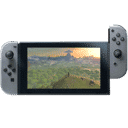
The original Nintendo Switch remains a viable way to play Titanium Court, especially if you prefer taking indie games on the road. The smallest screens mean the UI needs to be readable and touch/analog swapping must be accurate. Developers often tweak menu sizes and font choices to avoid eye strain on the handheld screen; those changes are what make the Switch version comfortable to play for long stretches. Some visual effects might be toned down to keep framerates stable, but the game’s short battles and text-driven moments are well suited to on-the-go sessions. If you own the base Switch and like quick runs between chores, Titanium Court’s structure should feel natural. NintendoReporters will highlight whether any concessions were made to fit the original hardware, and whether the core gameplay remains unchanged across both Nintendo platforms.
Why Nintendo fans might want to play Titanium Court
There are a few reasons the game appeals to the Nintendo audience. First, its blend of puzzle, strategy, and narrative is a neat fit for players who enjoy thoughtful indie experiences on the Switch. Second, the run-based structure and frequent save points play well with handheld sessions that are either short or stretched across evenings. Third, the quirky tone and frequent jokes make it an engaging title for players who appreciate games with distinct personalities rather than generic presentation. Finally, the variety of court jobs and upgrade paths offers replay value, which means the title rewards experimenting with different approaches. If you care about strong, unusual writing and a game that prizes clever systems over spectacle, Titanium Court is aimed at players like you. NintendoReporters is here for focused coverage on how the game lands on Nintendo platforms and whether it fits the habits of Switch owners.
Conclusion
Titanium Court’s move to Nintendo Switch and Nintendo Switch 2 on October 29, 2026 gives more players access to a peculiar, well-written indie where match-3 puzzles directly shape tactical battles. The launch brings questions about performance, UI and control mapping across both consoles, but the design leans toward bite-sized runs that should translate well to portable play. For fans who like oddball narratives, tight systems, and replayable runs, Titanium Court is one to watch. Keep an eye on NintendoReporters for hands-on impressions of both Switch versions at launch, and for practical tips about settings and how to get the best experience on your hardware.
FAQs
- When does Titanium Court release on Nintendo platforms?
- The Nintendo Switch and Nintendo Switch 2 release is scheduled for October 29, 2026. The game originally launched on PC earlier in 2026.
- Who developed and published Titanium Court?
- AP Thomson developed Titanium Court and Fellow Traveller published it.
- What kind of gameplay does Titanium Court offer?
- It combines match-3 tile manipulation with tower defense-style automated battles inside a roguelike progression loop, plus a narrative layer between runs.
- Will the Switch versions differ from the PC release?
- Expect possible performance and UI adjustments to suit handheld screens; the core mechanics and writing are reported to be the same across platforms.
- Where can I find more details about release timing and platform notes?
- Check NintendoReporters’ Nintendo Releases and Switch pages for updates and launch-day notes: Nintendo Releases, Nintendo Switch.
Sources
- Titanium Court review, PC Gamer, April 22, 2026
- Titanium Court Is Coming to PC in Early 2026, COGconnected, February 18, 2026
- Titanium Court verschijnt op 29 oktober 2026 op Switch, Switch 2, PS5, Android en iOS, GAME-scanner, October 14, 2026
- Titanium Court arriva su PS5, Switch 2, Switch, iOS e Android il 29 Ottobre, CrazyGameCommunity.it, October 14, 2026