














Summary:
To a T has arrived on Nintendo Switch 2, giving players another chance to experience one of the strangest, sweetest, and most unmistakably Keita Takahashi adventures in recent memory. Published by Annapurna Interactive and developed by Uvula, the game follows Teen, a teenager with a unique posture who is simply trying to get through daily life in a small coastal town. That setup sounds odd on paper, and honestly, it is odd. But that is also where its charm lives. Rather than treating Teen’s posture as a single joke, To a T builds an entire narrative around identity, movement, self-expression, routine, and the awkward little rituals that make everyday life feel huge when you are growing up.
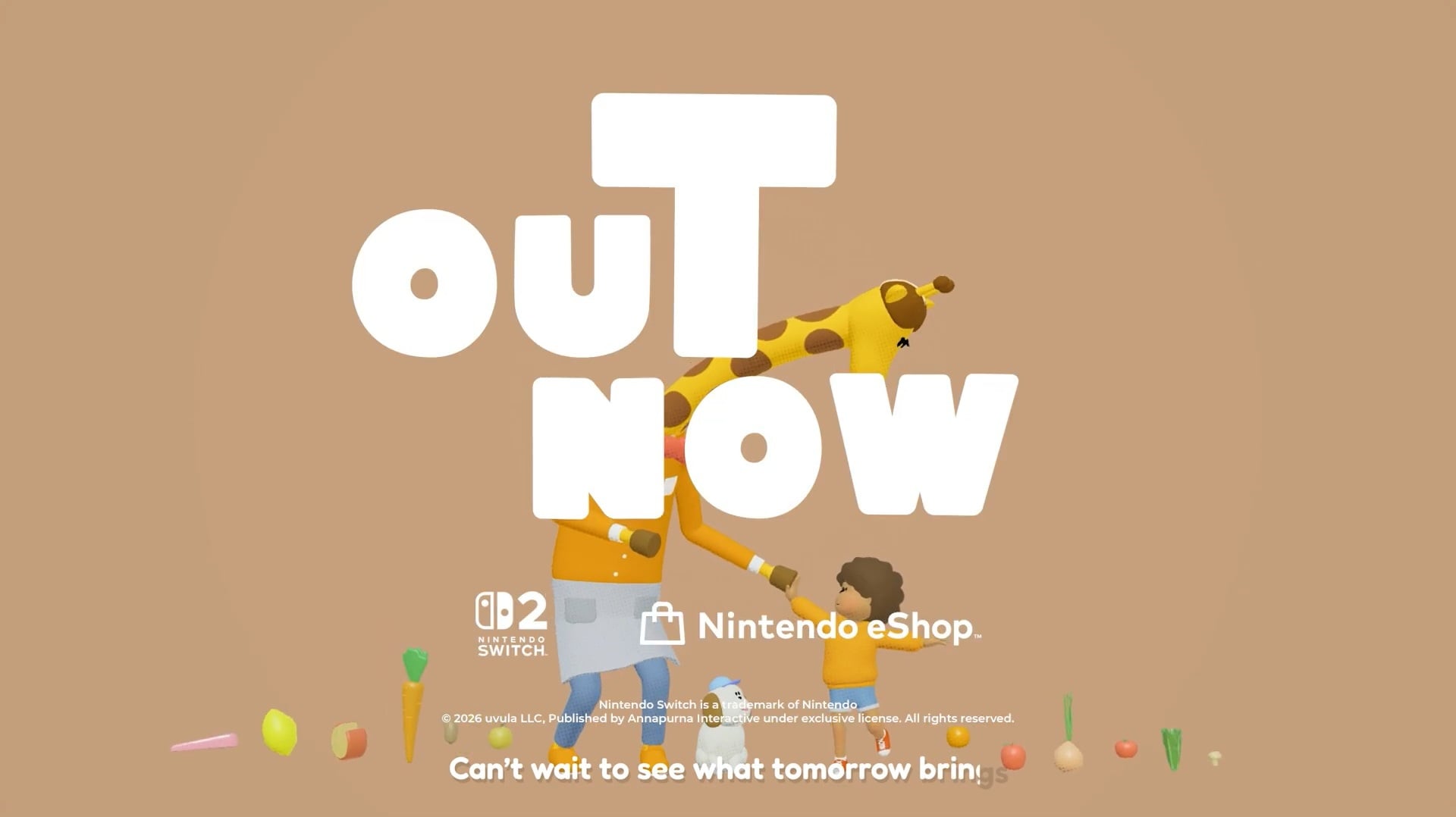
The Nintendo Switch 2 launch trailer highlights the game’s mixture of episodic storytelling, gentle town exploration, small interactions, character customization, and playful minigames. Players can guide Teen through daily activities like eating breakfast, drinking water, interacting with objects, petting the family dog, visiting shops, collecting coins, and finding new people around town. There is also a bigger mystery bubbling under the surface, as Teen discovers that their extraordinary posture may come with an extraordinary ability. For anyone who enjoys quirky narrative adventures, heartfelt coming-of-age stories, or games that proudly refuse to stand in a neat little box, To a T brings a welcome burst of color, humor, and gentle weirdness to the Switch 2 lineup.
To a T arrives on Nintendo Switch 2 with a launch trailer
Annapurna Interactive and Uvula have marked the Nintendo Switch 2 arrival of To a T with a launch trailer, giving players a fresh look at the quirky narrative adventure from Keita Takahashi, the creator best known for Katamari Damacy. That name alone carries a certain promise, doesn’t it? When Takahashi is involved, you can usually expect something that looks at ordinary life from a delightfully crooked angle. To a T fits that pattern beautifully, offering a game about movement, identity, routine, kindness, discomfort, and self-acceptance, all wrapped in a bright little world where even eating breakfast can feel like a tiny performance.
The Switch 2 version gives the game a new home on Nintendo’s newer hardware, where its cozy episodic rhythm and handheld-friendly pacing feel like a natural fit. This is not a loud spectacle built around explosions or endless skill trees. Instead, it is the kind of experience that invites you to slow down, pay attention, and enjoy the tiny comic details that sit between the bigger story beats. There is a teenager trying to live normally, a loving mother offering support, bullies creating tension, a loyal dog adding warmth, and a coastal town filled with little reasons to wander around. It is strange, yes, but strange in the way a favorite old sweater can be strange – oddly shaped, deeply comforting, and somehow perfect.
A strange posture becomes the heart of the story
At the center of To a T is Teen, a young character with a unique posture that shapes almost every part of daily life. The premise could have been treated as a quick visual gag, but the game leans into it with more care than that. Teen is not just a character stuck in a funny pose. They are someone trying to fit into school, home, friendship, and public life while being seen as different by the people around them. That makes the story feel more grounded than its colorful presentation might suggest. Under the playful surface, there is a very familiar emotional question: how do you keep being yourself when the world keeps pointing at what makes you stand out?
That question drives much of the narrative. Teen deals with bullies, navigates social pressure, and slowly discovers that their posture may not only be a challenge, but also a doorway to something unexpected. The game’s title plays with a familiar phrase, but the story gives that phrase a gentler meaning. Being “to a T” is not about becoming perfect in the narrow way others might define it. It is about finding a shape that belongs to you. For a game filled with silly movement, bright colors, and offbeat interactions, that is a surprisingly tender idea. It gives the adventure a beating heart instead of leaving it as a collection of charming oddities.
Teen’s coastal town gives the adventure its warm personality
The small coastal town in To a T is more than a backdrop. It gives the game its rhythm, its texture, and much of its emotional warmth. There are shops to visit, people to meet, coins to collect, vistas to find, and little paths that encourage curiosity without making the world feel overwhelming. Some games hand you a giant map and expect you to treat it like homework. To a T takes a softer approach. It gives you a place that feels manageable, almost like a neighborhood you gradually learn by walking the same streets, spotting familiar faces, and noticing odd little corners you missed earlier.
That town also helps the episodic structure feel natural. Since the story unfolds over multiple days, returning to the same places becomes part of the experience. The streets, shops, and routines start to feel like part of Teen’s daily life. That matters because To a T is not only about what happens during the biggest plot moments. It is also about the smaller spaces between them, like getting ready in the morning, moving through town, interacting with objects, and figuring out how to do ordinary things in a way that works for Teen. The town becomes a soft stage for those moments, and the result feels more personal than another checklist-driven adventure.
Everyday actions turn into playful minigames
One of the funniest and most memorable parts of To a T is how it turns simple daily actions into little interactive challenges. Teen’s posture changes how they interact with the world, so tasks that might be automatic for someone else become playful exercises in coordination. Reaching for objects, eating food, drinking water, and petting a dog all take on a new kind of physical comedy. The humor does not come from mocking Teen. It comes from the game asking players to inhabit Teen’s unusual way of moving and then letting those actions become tactile, awkward, and oddly satisfying.
This is where To a T feels especially close to Takahashi’s broader design personality. The ordinary becomes theatrical. A bite of breakfast can feel like a puzzle. A small gesture can feel like a victory. A routine moment can become the kind of thing you remember later because it was animated with just enough silliness to make you grin. The minigames are not presented as giant mechanical systems, but as playful snapshots of a life lived differently. That gives the humor a friendly tone. It is not trying to be edgy or mean. It is the gaming equivalent of watching someone solve a problem with duct tape, balance, determination, and a tiny bit of chaos.
Exploration gives players reasons to linger
Outside the main story path, To a T gives players free mode activities that encourage them to poke around town and enjoy the scenery. You can collect coins, search for pretty viewpoints, visit local shops, and talk to interesting characters. That might sound simple, but simplicity can be a strength when the world has enough personality to carry it. The appeal is not in clearing a giant list of objectives. The appeal is in wandering around and seeing what kind of odd little detail the game has tucked away, like finding a weird shell on the beach and deciding it is somehow your favorite thing now.
This slower style of exploration suits the game’s tone. Teen’s story is about trying to live in a world that does not always make room for difference, so the act of moving through town has meaning. You are not just going from marker to marker. You are learning how Teen exists in public spaces, how the town reacts, and how normal life can feel both inviting and uncomfortable. When To a T lets you wander, it gives you room to breathe between story beats. That breathing room is important. It keeps the adventure from feeling like a straight line and lets the setting become a place you can actually settle into.
Customization adds charm without stealing the spotlight
To a T also includes character customization, letting players purchase clothing from shops and style Teen with different wardrobe combinations. This feature fits neatly into the game’s larger themes because clothing is one of the easiest ways people experiment with identity. A new outfit can be armor, a joke, a mood, or just a way to say, “Yes, this is me today.” For Teen, customization adds another layer of self-expression to a story already focused on being seen and learning how to live comfortably in your own shape.
The nice thing is that customization does not appear to overpower the rest of the experience. It is there to add personality, not to turn the game into a fashion spreadsheet. Players can have fun with outfits, visit stores, and try combinations that match the game’s playful mood. That makes the town feel more alive, too, because shops become places worth visiting rather than decorative storefronts. It also gives players a small sense of ownership over Teen’s look, which can make the episodic journey feel more personal. After all, if you are going to walk through town with your arms out like a human signpost, you might as well look fabulous doing it.
The dog might be the emotional MVP
To a T’s official description closes its feature list with a simple promise: a very cute dog. Sometimes, that is all you need. Teen’s loyal dog is not just a cuddly extra added for easy charm, although let’s be honest, that would already work on plenty of players. The dog helps soften the world around Teen. When school feels rough, when people stare, or when ordinary life becomes exhausting, the presence of a loyal companion gives the story a warm emotional anchor. A good game dog can do a lot with very little. One wag, one happy trot, one patient moment, and suddenly the whole world feels less sharp.
The dog also fits the game’s interest in care and routine. Petting the dog is one of the everyday interactions players can take part in, and that kind of small action says a lot about To a T’s priorities. This is a game where tiny gestures matter. You are not only chasing big revelations about Teen’s lineage or abilities. You are also eating, drinking, walking, dressing, talking, and caring for a pet. Those actions build the emotional fabric of the adventure. They remind players that life is not only made from dramatic turning points. Sometimes, it is made from breakfast, a walk through town, and a dog who thinks you are doing great.
Why Keita Takahashi’s style still feels so distinct
Keita Takahashi’s work has always carried a wonderfully unusual sense of scale. Katamari Damacy made players look at clutter, cities, stars, and absurdity in a totally different way. To a T works on a smaller emotional canvas, but it keeps that same ability to make the everyday feel strange and meaningful. Instead of rolling up objects into a growing ball, players now navigate the physical and social world through Teen’s unusual posture. The scale is more intimate, but the design spirit feels familiar. It asks players to laugh first, then notice that the laughter has quietly opened the door to something more heartfelt.
That is what makes To a T stand apart from many narrative adventures. It does not rely only on dialogue, lore, or dramatic reveals. It builds character through movement and interaction. The way Teen reaches, eats, walks, and engages with the world becomes part of the storytelling. That is a very game-specific kind of expression, and it is exactly where Takahashi’s style tends to shine. He has a knack for taking something that sounds almost too silly to explain and making it feel strangely natural once you play it. To a T may look like a joke from across the room, but up close, it is more like a handmade toy with a secret compartment inside.
Why To a T fits the Nintendo Switch 2 library
To a T feels like a strong match for Nintendo Switch 2 because it brings a different flavor to the system’s growing library. Not every release needs to be a blockbuster spectacle, and not every adventure needs to shout to be memorable. This is the kind of game that can sit comfortably between bigger releases, offering something bright, heartfelt, and unusual for players who want a change of pace. It also has that pick-up-and-play friendliness that works well on a hybrid system. Episodic structure, town exploration, minigames, and customization all lend themselves to shorter sessions without making the experience feel chopped up.
There is also a broader reason it belongs on a Nintendo platform. Nintendo audiences have long embraced games with odd premises, cozy routines, offbeat humor, and strong personality. To a T checks all of those boxes while still feeling like its own little creature. It is not trying to imitate Nintendo’s house style, but it shares a certain belief that games can be playful without being shallow. For Switch 2 owners looking beyond the obvious names, To a T offers a reminder that some of the most memorable adventures come from ideas that sound impossible to pitch with a straight face. A teenager in a permanent T-pose discovering themselves in a coastal town? Somehow, yes. That works.
Conclusion
To a T’s Nintendo Switch 2 launch gives more players the chance to discover a narrative adventure that is funny, warm, awkward, and quietly sincere. Annapurna Interactive and Uvula have brought over a game that uses a strange central idea to tell a story about identity, routine, difference, and self-acceptance. Teen’s posture may be the first thing players notice, but it is not the only thing worth remembering. The coastal town, the loyal dog, the playful minigames, the clothing options, and the gentle episodic structure all work together to create something with a very specific personality. It may not be for everyone, but that is part of its charm. To a T knows exactly what shape it wants to be, arms out and all.
FAQs
- What is To a T about?
- To a T follows Teen, a teenager with a unique posture who is trying to live a normal life in a small coastal town. The story follows Teen through school, home life, friendships, bullies, and the discovery of a surprising ability connected to their posture.
- Who developed To a T?
- To a T was developed by Keita Takahashi and the Uvula team, with Annapurna Interactive publishing the game. Takahashi is widely known as the creator of Katamari Damacy.
- What kind of game is To a T?
- To a T is an episodic 3D narrative adventure with exploration, minigames, character interactions, customization, and story-focused progression across multiple days.
- What can players do outside the main story?
- Players can explore the coastal town, collect coins, visit shops, search for vista points, talk to characters, and customize Teen with clothing bought around town.
- Is there a dog in To a T?
- Yes, To a T features Teen’s loyal dog, and the game’s own feature list proudly highlights the presence of a very cute dog. Sometimes the simplest selling point is also the best one.
Sources
- to a T, Annapurna Interactive, May 28, 2025
- Charming, Whimsical Teen Adventure to a T Arrives on Nintendo Switch 2, GamesPress, June 11, 2026
- Annapurna Interactive – 2026 Lineup Trailer – Nintendo Switch 2, Annapurna Interactive, April 23, 2026
- Dit brengt Annapurna in 2026 uit voor Nintendo Switch 2, Gameliner, April 24, 2026
- With To a T, Keita Takahashi almost made a normal game, Polygon, May 28, 2025