














Summary:
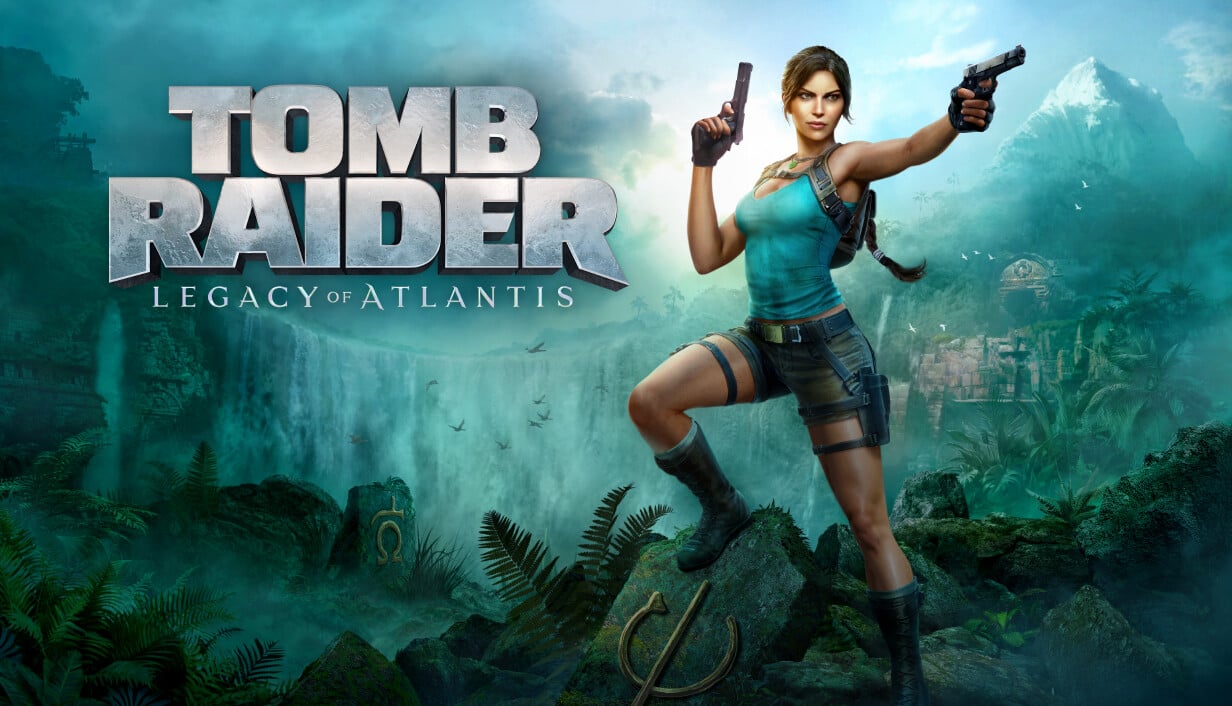
Tomb Raider: Legacy of Atlantis has quickly become one of the more talked-about upcoming releases for Nintendo Switch 2, though not only because Lara Croft is returning with another grand adventure. Shortly after the game was confirmed for Switch 2 with a February 12, 2027 release date, players noticed an AI disclosure on the Steam page. That detail sparked a lively discussion across the gaming community, especially among fans who are already cautious about how generative AI is being used in creative industries. Crystal Dynamics has since explained that AI-assisted tools are being used during early production to help developers create temporary assets, test ideas, and visualize objects before deciding whether they should move into the traditional development pipeline. The studio’s message is clear: the final game is intended to be human-crafted, with AI serving as a temporary production aid rather than a replacement for artists or designers. Still, the reaction shows just how sensitive this topic has become. For many players, Tomb Raider is not just another franchise. It is a legacy series built on atmosphere, exploration, puzzle design, personality, and the handcrafted feeling of danger around every corner. When AI enters that conversation, even in a limited role, fans naturally want straight answers.
Tomb Raider: Legacy of Atlantis faces questions after its Steam AI disclosure
Tomb Raider: Legacy of Atlantis did not need much time to become a major talking point. The game had already drawn attention thanks to its planned February 12, 2027 launch and its arrival on Nintendo Switch 2, but the conversation shifted when players spotted an AI disclosure on the Steam page. For a series as iconic as Tomb Raider, even a small note can echo like footsteps in an ancient tomb. Fans began asking what the disclosure meant, how much of the game had been shaped by AI tools, and whether the final experience would still carry the handcrafted charm people expect from Lara Croft’s adventures. That reaction is not surprising. Tomb Raider has always leaned heavily on atmosphere, environmental storytelling, and the feeling that every ruin, puzzle, and trap was placed with intent.
The Steam disclosure matters because it puts a production detail directly in front of players before release. Instead of being hidden behind a developer interview or tucked away in a technical presentation, the notice sits where potential buyers are already looking for platform details, trailers, screenshots, and purchase information. That visibility changes the mood. One moment, fans are discussing dinosaurs, ruins, puzzles, and Switch 2 performance possibilities. The next, they are debating creative labor, production ethics, and whether AI should have any role in games built around artistic identity. It is a sharp turn, but it reflects where the wider gaming conversation is right now.
Crystal Dynamics says AI is being used for early testing, not final assets
Crystal Dynamics has addressed the situation by explaining that AI-assisted tools are being used to help with early exploration and temporary development material. According to the studio’s comments, these tools can help the team quickly visualize ideas before committing production time to building them properly. That is an important distinction. In game development, not every idea survives. Some props, paths, rooms, object layouts, and environmental details exist only long enough for developers to decide whether they fit the intended experience. In that sense, temporary assets can act like sticky notes on a wall. They are not the finished painting, but they help the team understand what the painting might become.
Crystal Dynamics experience director Jeff Adams explained that AI can help the team test whether an object or idea works inside a game world before moving it into the studio’s usual production pipeline. The key phrase from the studio’s position is that the final product is meant to be human-crafted. That message is clearly designed to reassure fans who worry that creative work could be replaced by generated material. It also frames AI as a speed tool, not a creative substitute. Whether players accept that explanation is another matter, because trust is not built with one statement. It is built over time, through transparency, consistency, and, eventually, the quality of the game itself.
Why placeholder assets matter during game production
Placeholder assets are a normal part of game development, even when AI is not involved. Teams often use rough models, temporary textures, basic shapes, unfinished animations, and quick mock-ups to test whether an idea works before artists and designers spend valuable time polishing it. Think of it like placing cardboard furniture in a room before ordering the real sofa. You want to know whether the space feels right, whether people can move through it comfortably, and whether the whole thing has the right mood. In a Tomb Raider game, that can matter a lot. A single object can affect how a puzzle reads, how a player understands a path, or how dramatic a ruin feels when Lara enters it.
The controversy comes from the method, not the concept of placeholders itself. Players generally understand that unfinished games are full of temporary material. What makes this situation more sensitive is the involvement of generative AI. Some fans see AI-assisted placeholders as harmless production scaffolding. Others worry that temporary material can quietly influence the final creative direction, even if it is later replaced or refined. That concern is not silly. Games are built through iteration, and early visual ideas can shape what teams pursue later. So when a studio says AI is only used early, players naturally want to know how early, how often, and how clearly the line is drawn between testing and final creative work.
How human-crafted final work remains the studio’s central message
Crystal Dynamics has tried to place human creativity at the center of its explanation. The studio’s message is that AI-assisted material is not the final destination. Instead, the traditional pipeline takes over if an idea proves useful. That means concept artists, environment artists, designers, animators, writers, and other developers remain responsible for shaping the finished experience players will eventually see. For Tomb Raider, that distinction carries emotional weight. Lara Croft’s world is not just a checklist of ruins and relics. It is a carefully tuned mix of danger, curiosity, isolation, beauty, and discovery. Fans want to feel that real people made those choices with care.
This is where the studio’s wording has to do a lot of heavy lifting. Saying that the finished game will be human-crafted gives players a clearer expectation, but it also creates a promise. When Tomb Raider: Legacy of Atlantis eventually launches, players will likely look closely at its environments, props, writing, and art direction through that lens. If the game feels polished, intentional, and full of personality, the AI discussion may fade into the background. If it feels generic or uneven, the disclosure could become a bigger part of the conversation again. Fair or not, that is the risk of releasing a creative project in a moment when players are actively questioning how their games are made.
Why fans are sensitive about AI in modern game development
Generative AI has become one of the most divisive subjects in gaming because it touches almost every part of the creative process. Players are not only asking whether AI can make things faster. They are asking what gets lost when speed becomes the selling point. In a series like Tomb Raider, where atmosphere and craft matter so much, that concern is easy to understand. Fans do not want temples that feel like they were assembled from a mood board with the soul sanded off. They want places that feel dangerous, strange, and memorable. They want the sort of spaces where every cracked wall and ancient symbol seems to have a reason for being there.
There is also a human side to the reaction. Many players care about the artists, designers, writers, and developers behind the games they love. When they see AI disclosures, they worry about jobs, credit, originality, and whether studios may eventually rely less on human talent. Even when a company says AI is only being used to assist developers, some fans hear a slippery slope creaking under their feet. That does not mean every use of AI is the same, and it does not mean every concern proves wrongdoing. It does mean studios have to communicate carefully. The more clearly they explain their process, the better chance they have of keeping the discussion grounded.
The difference between assistance and replacement is the heart of the debate
The biggest question is not simply whether AI tools were used. It is how they were used, what they affected, and whether human developers remained in control. Assistance can mean many things. It can mean speeding up a rough prototype, generating temporary ideas, organizing production data, or helping teams test visual possibilities. Replacement means something very different. It suggests that work once performed by artists or designers is being handed over to automated systems, possibly at the expense of originality and employment. That gap is where most of the debate lives. Players want to know which side of the line Tomb Raider: Legacy of Atlantis sits on.
Crystal Dynamics is clearly presenting its use of AI as assistance. The studio’s explanation focuses on early level development, temporary visualization, and moving successful ideas into a traditional pipeline. That sounds more like a rough sketch than a finished mural. Still, the concern remains because the phrase “AI-assisted” can be vague without examples. A chair, a statue, a wall texture, a puzzle object, a room layout – these are not all equal in creative importance. The more specific studios can be about what AI touches and what it does not touch, the easier it becomes for players to judge the situation fairly. Nobody wants to fight a fog machine. Clear details help everyone breathe.
Steam disclosures are making development choices more visible
Steam’s AI disclosure system has changed how players encounter these production details. Instead of learning about AI use through rumors or interviews, players can see a disclosure directly on a store page. That can be useful because it creates a baseline of transparency. At the same time, a short disclosure can raise more questions than it answers. Store pages are not built for nuance. They are built for quick information, screenshots, trailers, system requirements, editions, and purchase buttons. When a complicated topic like AI appears there, it can feel abrupt, almost like finding a warning sign in the middle of a treasure map.
For Tomb Raider: Legacy of Atlantis, the disclosure became a spark because the franchise already carries decades of history. Players bring memories, expectations, and personal attachment to Lara Croft. They remember the thrill of isolation, the satisfaction of solving a puzzle without hand-holding, and the eerie calm before a trap springs. When they see an AI notice attached to that kind of legacy, they do not read it as a neutral production footnote. They read it as a possible signal about how the game was made. That is why even a limited disclosure can turn into a wider debate about trust, authorship, and the future of blockbuster game development.
The Switch 2 release gives the discussion extra attention
The Nintendo Switch 2 version adds another layer to the conversation because new hardware always invites extra curiosity. Players want to know how major third-party releases will perform, how visually ambitious games will scale to the system, and whether Switch 2 will receive the same level of care as other platforms. Tomb Raider: Legacy of Atlantis coming to Nintendo’s newer hardware gives the game a wider spotlight beyond the usual PlayStation, Xbox, and PC audience. It also means Nintendo fans are now part of the AI debate around the game, especially those who have been waiting for more large-scale adventures on the platform.
For many Switch 2 owners, Tomb Raider: Legacy of Atlantis could represent the kind of cinematic, exploration-heavy third-party release that helps define the system’s library. That makes every major detail feel more important. The release date, the technical ambition, the remake approach, the studio partnership, and the AI disclosure are all being discussed together. It is a lot of baggage for Lara to carry, even for someone used to climbing cliffs with ancient artifacts in her backpack. Still, this attention also shows the franchise’s strength. People are not debating the game because they do not care. They are debating it because Tomb Raider still matters.
Legacy of Atlantis is already carrying big expectations from Tomb Raider fans
Tomb Raider: Legacy of Atlantis is not just another action-adventure release on the calendar. It is tied to one of gaming’s most recognizable characters and appears to revisit the roots of the franchise in a modern form. That brings excitement, but it also brings pressure. Long-time fans often want the mystery, danger, and puzzle-first attitude that helped define the older games. Newer players may expect smoother movement, richer combat, clearer storytelling, and modern presentation. Balancing those audiences is tricky. Lean too hard into nostalgia, and the game can feel stiff. Modernize too much, and it may lose the strange, lonely magic that made early Tomb Raider so memorable.
The AI disclosure enters that pressure cooker at an awkward time. Instead of focusing only on what the remake changes or preserves, the conversation now includes how the game is being made. Fans are asking whether AI-assisted development could affect the authenticity of the world, even if the final assets are human-crafted. That may sound dramatic, but it fits the emotional relationship many players have with Tomb Raider. Lara’s adventures work best when the world feels deliberate. Every ledge, hidden chamber, artifact, and hostile creature should feel like part of a carefully built adventure, not a random decorative layer placed on top of familiar branding.
Modernizing Lara Croft’s first adventure is a delicate balancing act
Reimagining a classic game is always a bit like restoring an ancient relic. Clean it too aggressively, and you risk polishing away the character. Leave it untouched, and modern audiences may struggle with rough edges that once felt normal. Tomb Raider has a special challenge because the original game’s identity was shaped by early 3D design, careful movement, quiet exploration, and a sense of danger that came partly from its limitations. A modern remake can improve visuals, controls, combat, and presentation, but it has to preserve the feeling that Lara is entering places she was never meant to find.
That balancing act is why the AI conversation feels so charged. Fans are not only worried about whether a temporary object was generated during production. They are worried about whether modern development shortcuts could flatten the personality of a classic adventure. Crystal Dynamics can calm some of that concern by showing more of the game, explaining its process, and proving through gameplay that the world has been built with care. The final test will not be a statement or a store page. It will be the moment players step into a ruin, hear the echo of an unseen threat, and decide whether it feels like Tomb Raider.
What this means for players watching the project
For now, the safest reading is that Tomb Raider: Legacy of Atlantis uses AI-assisted tools during early development for temporary exploration and testing, while Crystal Dynamics says the final game will be shaped through human work. That does not erase fan concerns, but it does give the discussion a clearer frame. Players can watch future previews, interviews, trailers, and gameplay showcases with more specific questions in mind. Does the world feel authored? Do the environments show personality? Are the puzzles clever? Does Lara’s adventure feel like a real evolution of the series rather than a shiny imitation?
The debate is also a reminder that transparency is only the first step. A disclosure tells players that AI was used in some way, but the explanation behind it is what builds or breaks confidence. Crystal Dynamics has offered an answer, and now the studio has time before February 12, 2027 to keep showing what Tomb Raider: Legacy of Atlantis actually is. If the game delivers a strong, polished, human-feeling adventure, many players may judge the tools by the result. If it misses the mark, the AI disclosure will likely remain part of the larger criticism. That may feel harsh, but gaming fans have sharp eyes. Give them a suspicious wall texture, and they will inspect it like it hides a secret lever.
Conclusion
Tomb Raider: Legacy of Atlantis has become a flashpoint for one of gaming’s biggest ongoing conversations. The AI disclosure on Steam turned a highly anticipated Switch 2 release into a broader discussion about creative tools, transparency, and trust. Crystal Dynamics says AI-assisted tools are being used for early testing and temporary assets, with the final game remaining human-crafted. That explanation gives fans a clearer idea of the studio’s intent, but it also places extra pressure on the finished adventure to feel carefully made. Lara Croft has survived collapsing temples, hungry wildlife, and more impossible jumps than anyone should reasonably attempt. Now her next adventure has to navigate a different kind of trap: proving that modern production tools can support a classic legacy without dulling its soul.
FAQs
- What caused the Tomb Raider: Legacy of Atlantis AI controversy?
- The discussion started after players noticed an AI disclosure on the game’s Steam page. The notice stated that AI-assisted tools were used during development for early exploration and temporary development material, which led fans to ask how much influence those tools had on the game.
- How does Crystal Dynamics say AI is being used?
- Crystal Dynamics says AI-assisted tools are being used to help developers visualize early ideas, create temporary assets, and test whether certain objects or concepts work before moving them into the traditional production pipeline.
- Will the final Tomb Raider: Legacy of Atlantis assets be made by humans?
- Crystal Dynamics has said that the finished game will be human-crafted. The studio’s explanation frames AI as an early production aid rather than a replacement for the artists and developers responsible for the final experience.
- When is Tomb Raider: Legacy of Atlantis releasing on Nintendo Switch 2?
- Tomb Raider: Legacy of Atlantis is currently scheduled to release on February 12, 2027. The game has also been confirmed for Nintendo Switch 2 alongside other major platforms.
- Why are fans worried about AI use in Tomb Raider?
- Fans are concerned because Tomb Raider depends heavily on atmosphere, art direction, puzzle design, and handcrafted environmental detail. Even limited AI use can raise questions about creative ownership, developer roles, and whether the final game will preserve the personality of the franchise.
Sources
- Tomb Raider: Legacy of Atlantis studio confirms AI use, Polygon, June 12, 2026
- Tomb Raider: Legacy of Atlantis developer explains generative AI use, Nintendo Everything, June 11, 2026
- Pre-purchase Tomb Raider: Legacy of Atlantis on Steam, Steam, June 2026
- Tomb Raider: Legacy of Atlantis launches Feb 12, 2027 on PS5, PlayStation Blog, June 2, 2026
- Tomb Raider: Legacy of Atlantis was made with AI, Steam page reveals, but any assets made using the controversial tech were either replaced or refined by humans, GamesRadar+, June 3, 2026