














Summary:
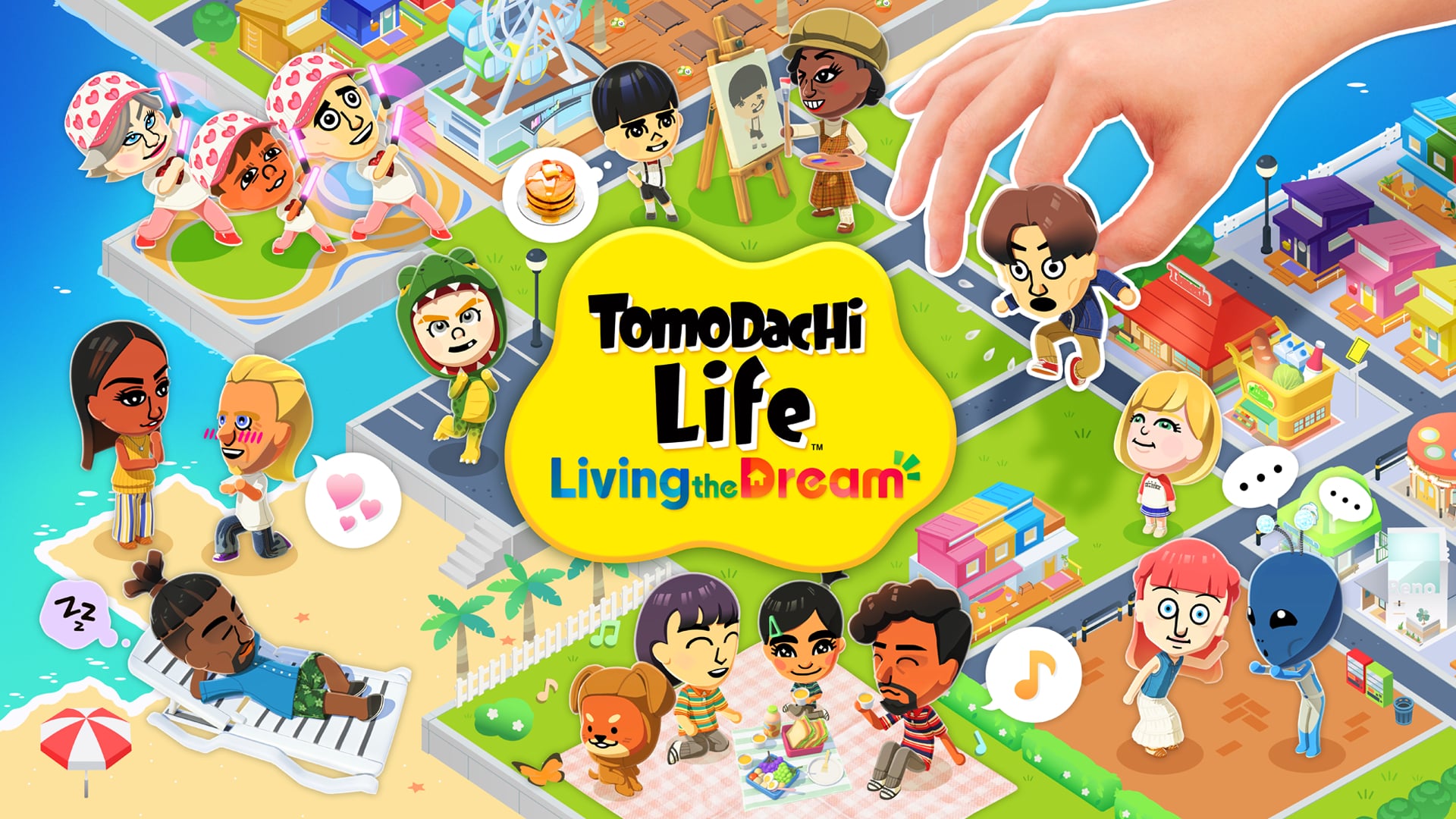
Tomodachi Life: Living the Dream has opened with a very encouraging result in the UK, where its physical launch reportedly came in 36% higher than Pokémon Pokopia. That is the kind of early sales comparison that makes people stop scrolling and pay attention, because it suggests the series still has real pull after spending years away from the spotlight. Tomodachi Life has always thrived on personality rather than spectacle. It is odd, warm, chaotic, and surprisingly hard to forget. When a game built on silly island drama and Mii nonsense posts a strong opening, it says a lot about how much affection still surrounds the brand.
At the same time, the comparison needs a bit of context. Tomodachi Life: Living the Dream launched on Nintendo Switch, which gave it access to a far broader hardware base than Pokémon Pokopia, a Nintendo Switch 2 exclusive. That does not erase the result, but it does explain why the gap should be read carefully rather than treated like a straight one-to-one fight. Even so, this is still a notably positive start. Pokémon is usually the bigger name in the room, the one that walks in wearing sunglasses indoors and somehow gets away with it. For Tomodachi Life to outpace it physically in the UK is still a meaningful talking point.
What stands out most is that the result fits the game itself. Tomodachi Life is not trying to be sleek or grand. It wins people over by being weird in exactly the right way. That familiar blend of comedy, unpredictability, and player-made chaos gives it a very different flavor from almost anything else in Nintendo’s lineup. A strong UK physical debut suggests that players were ready for that kind of energy again, and it hints that the series may have returned at exactly the right moment.
Tomodachi Life: Living the Dream makes a lively first impression in the UK
Tomodachi Life: Living the Dream has come out swinging in the UK physical market, with reports indicating that its launch was 36% bigger than the physical debut of Pokémon Pokopia. That immediately gives the game a stronger sense of momentum than many people might have expected from a series that has spent so long sitting quietly on the shelf while Nintendo pushed other names to the front. It also gives the launch a bit of character, which feels fitting. Tomodachi Life has never been the polished kid in the front row. It is the class clown with surprising emotional intelligence. That oddball identity is exactly what helped the original game stand out, and now it seems to be helping again. A result like this does not prove everything, but it does suggest that the audience was ready, willing, and maybe even a little impatient to jump back into its strange little world.
Why the 36% figure matters more than it first appears
Numbers like this can look simple on the surface, but they carry a bit more weight once you sit with them. A 36% lead is not a tiny edge that can be shrugged off as statistical dust floating in the sunlight. It points to a clear difference in boxed launch performance, and that gives Tomodachi Life: Living the Dream an immediate talking point that feels earned rather than inflated. Sales comparisons are never the whole picture, of course, because context always creeps in through the side door. Even so, launch-week headlines matter because they shape the conversation around a game’s early success. They influence how retailers react, how fans talk, and how much attention a title gets beyond its core audience. For Tomodachi Life, that kind of boost matters because this is a series that lives or dies on curiosity, charm, and chatter as much as brand recognition.
The original Nintendo Switch factor changes the shape of the comparison
One of the most important details here is platform availability. Tomodachi Life: Living the Dream was available on the original Nintendo Switch, while Pokémon Pokopia launched as a Nintendo Switch 2 exclusive. That matters because install base is the quiet giant standing in the corner of every launch comparison. A game with access to the larger Switch audience walks into the room with a much wider safety net. More systems in homes usually means more potential buyers, more casual pickup sales, and a better chance of strong physical shelf movement. So yes, that broad availability likely played a meaningful role in the result. But that does not turn the sales lead into smoke and mirrors. It simply means the comparison should be read with its boots on the ground instead of floating off into dramatic nonsense. Tomodachi Life had a structural advantage, and it also appears to have used that advantage well.
Pokémon Pokopia was never an easy name to beat
That is what makes the comparison interesting anyway. Pokémon is not some fragile newcomer trying to find its footing. It is one of the strongest entertainment brands in the world, and even a quieter spin-off carries a level of built-in attention that most games would happily mug for in a back alley. Pokémon Pokopia also had the novelty of being tied directly to Nintendo Switch 2, which gave it its own kind of launch appeal. So when Tomodachi Life: Living the Dream comes in ahead physically, it says something real about demand. It suggests the game did not just ride platform reach and call it a day. It connected. People wanted it, stores moved copies, and the early response had enough strength behind it to push past a major name. That does not make it a knockout punch, but it is definitely a clean hit.
What this says about Tomodachi Life’s returning appeal
The strongest takeaway may be that Tomodachi Life still has that rare ability to make people grin before they even start playing. Some series sell themselves through scale, technical spectacle, or the promise of dramatic storytelling. Tomodachi Life works differently. It sells absurdity, surprise, and the fun of watching a bizarre little social ecosystem wobble around on its own legs. You are not stepping into a world designed to make you feel powerful. You are stepping into a world where your friends can fall in love, argue over nonsense, sing ridiculous songs, and behave like they were written by an exhausted comedian after too much coffee. That is the magic. It is odd, messy, and impossible to fully predict. For longtime fans, that pull never really went away. For newer players, the appeal may feel fresh simply because so few games dare to be this unapologetically peculiar.
A quirky series still knows how to pull people in
There is something almost rebellious about a game like Tomodachi Life doing well in a market that often rewards bigger, louder, and more aggressively cinematic experiences. This is not a game built around explosions, prestige cutscenes, or the kind of dramatic trailer voice that sounds like it eats gravel for breakfast. It is built around personality. That gives it a different kind of strength. Players are not just buying mechanics. They are buying stories that emerge from their own choices, their own Miis, and their own delightfully strange setups. That kind of personal investment can be powerful because it turns the game into a small stage where the player becomes part of the joke. A strong opening suggests that Nintendo did not just revive an old name for nostalgia points. It brought back something that still feels specific, playful, and worth making room for.
Physical launch data is only one part of the bigger story
It is worth remembering that physical sales tell only part of the launch picture, especially in an era when digital purchasing continues to grow across the industry. Boxed performance still matters, particularly in markets like the UK where physical retail remains a visible part of the conversation, but it is not the full photograph. It is one corner of the frame. That means Tomodachi Life: Living the Dream may be doing even better than this early comparison suggests, or it may simply be showing especially strong boxed appeal among Nintendo buyers. Either way, physical results remain valuable because they reveal something about shelf presence, pre-release interest, and how a title performs in visible retail spaces where competition is immediate and unforgiving. When a game stands out there, it tells you people were motivated enough to act early rather than wait around and maybe get to it later.
Nintendo benefits when platform reach meets recognizable charm
This launch result also highlights a pattern Nintendo has leaned on for years without always spelling it out. When a recognizable series with a distinct personality lands on broadly available hardware, it can find traction quickly. That sounds obvious, but not every returning franchise manages to convert familiarity into sales. Some come back and feel like museum exhibits with better lighting. Tomodachi Life avoids that problem because its core identity still feels lively. It is not remembered only for what it used to be. It is remembered for the kind of chaos it creates, and that chaos is easy to sell when people already know what flavor of nonsense they are getting. Put that on a platform with wide reach and suddenly the launch starts to make sense. The formula is not glamorous, but it is effective. Familiarity opens the door, and personality keeps people from walking right past it.
Word of mouth could give Tomodachi Life even more momentum
Games like this often benefit from something bigger than a strong first weekend. They benefit from stories. One player shares a bizarre romance, another posts a painfully awkward island moment, and suddenly the game starts circulating in the way only a social, unpredictable sim can. Tomodachi Life has always been well suited to that kind of organic attention because its best moments are usually the ones nobody can fully script. They feel personal, but they are also funny enough to share. That matters in a modern release environment where visibility often depends on whether people feel compelled to show others what happened on their screen. A good launch can open the door, but memorable player stories can keep the room buzzing. If that happens here, the early UK physical result may end up looking less like a nice surprise and more like the first obvious sign that the game had real staying power all along.
Early launch wins can help shape the months ahead
Strong opening momentum does not guarantee a long success story, but it can absolutely change the tone of everything that follows. Retailers pay attention. Fans become louder. Fence-sitters start to wonder whether they should stop pretending they were too cool for Tomodachi Life in the first place. That kind of shift matters because public perception often snowballs. Once a game is framed as a hit, or at least as something performing above expectations, it becomes easier for that success to feed itself. More discussion leads to more curiosity, and more curiosity often leads to more sales. Tomodachi Life: Living the Dream now has the sort of launch comparison that can help keep it in the conversation, especially among Nintendo players who may have overlooked it at first. The game has made its entrance, and it did not do it quietly. It walked in wearing a silly hat and somehow made it work.
Conclusion
Tomodachi Life: Living the Dream appears to be off to a genuinely promising start in the UK physical market, and the reported 36% lead over Pokémon Pokopia gives the launch a sharp and memorable talking point. The platform difference between the two games clearly matters, so the comparison should be handled with a bit of common sense rather than chest-thumping theatrics. Even so, this is still an encouraging signal. It suggests that Tomodachi Life returned with more pull than some may have expected and that its particular brand of chaos, humor, and player-driven charm still connects. For a series built on unpredictability, this early result feels oddly fitting. The game has started strong not by being the loudest release in the room, but by being unmistakably itself.
FAQs
- How well did Tomodachi Life: Living the Dream perform in the UK?
- According to the reported comparison, its UK physical launch was 36% bigger than the physical launch of Pokémon Pokopia, which points to a strong early retail debut.
- Does the comparison with Pokémon Pokopia tell the whole story?
- No. Tomodachi Life: Living the Dream was available on the original Nintendo Switch, while Pokémon Pokopia launched as a Nintendo Switch 2 exclusive, so the larger potential audience played an important role.
- Why is this launch result notable for Tomodachi Life?
- It shows that the series still has strong appeal despite being away for a long stretch, and it suggests that players were eager to return to its unusual social simulation style.
- Are physical sales enough to judge the game’s full launch performance?
- Not entirely. Physical sales are useful and still important, especially in the UK, but they do not include digital purchases, which means the full commercial picture is broader.
- Could Tomodachi Life: Living the Dream keep growing after launch?
- Yes. Games with strong personality and shareable moments often benefit from word of mouth, and Tomodachi Life is especially well suited to that kind of ongoing attention.
Sources
- UK: Tomodachi Life: Living the Dream physical launch was 36% bigger than Pokemon Pokopia, My Nintendo News, April 19, 2026
- Tomodachi Life: Living the Dream verslaat Pokémon Pokopia volledig bij de lancering in het Verenigd Koninkrijk, Gamereactor, April 20, 2026
- Tomodachi Life™: Living the Dream for Nintendo Switch, Nintendo, April 2026
- Tomodachi Life: Living the Dream is here!, Nintendo, April 16, 2026
- Pokémon Pokopia, Nintendo, March 5, 2026
- Pokémon Pokopia is sold out at many major retailers, but it’s really not difficult to see why, TechRadar, March 10, 2026