










Summary:
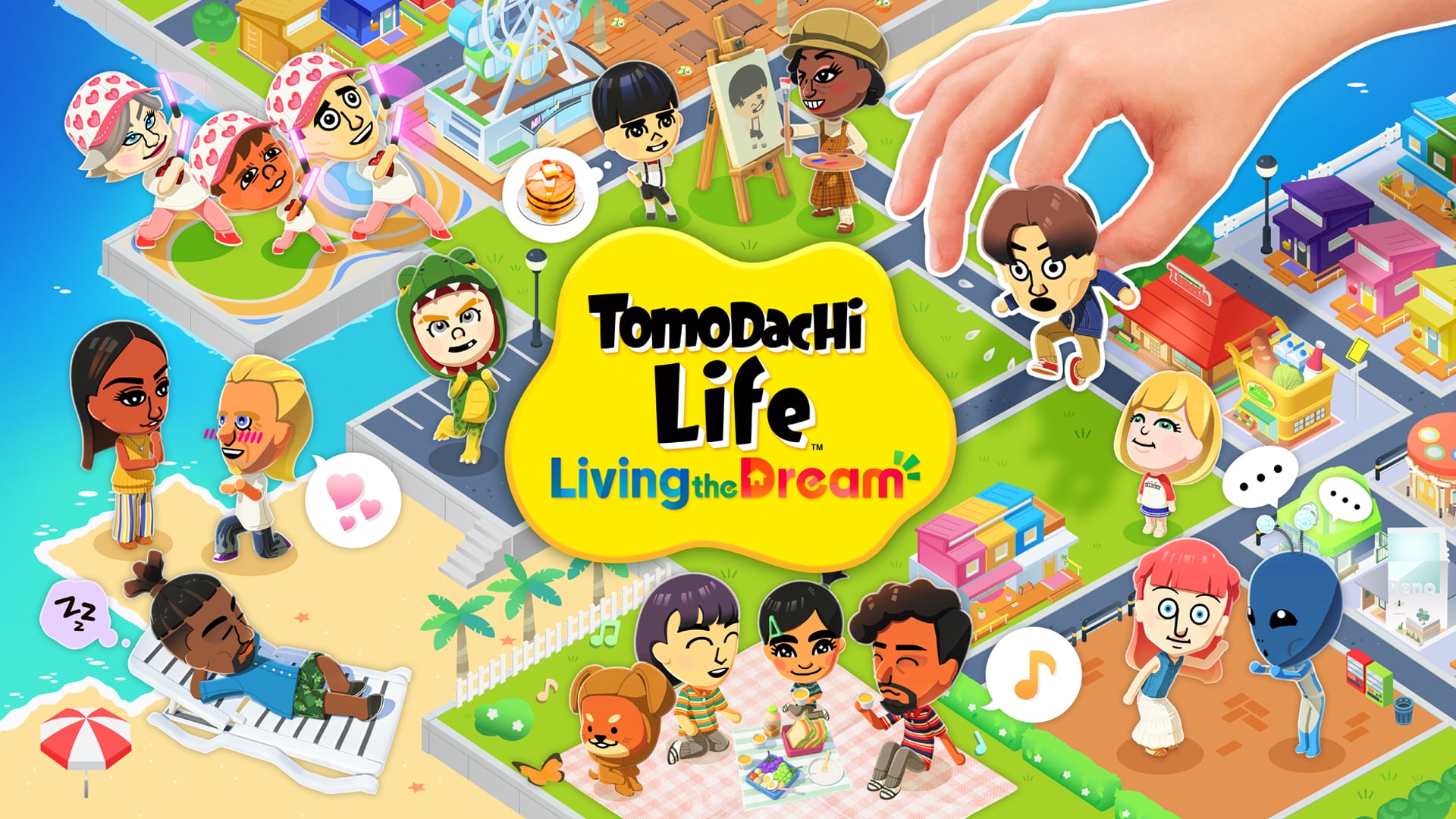
Tomodachi Life: Living the Dream always looked like the kind of Nintendo release that would hand players a toy box and then quietly step back to see what kind of delightful chaos they could build. That is exactly what seems to be happening. One of the most charming recent trends surrounding the game is the way players are using its customization tools to create pixel-art Pokémon as pets for their Mii characters. It is playful, instantly recognizable, and perfectly suited to a game that thrives on weird little personal touches. Instead of sticking to ordinary companion designs, fans are turning a simple feature into something far more expressive, and the results are catching attention for all the right reasons.
What makes this stand out is how natural it feels. Tomodachi Life has always worked best when it lets players blur the line between everyday life and total nonsense. A quiet island routine suddenly becomes much funnier when your companion looks like a tiny pixel-art Eevee, Sylveon, or another favorite Pokémon. That contrast is part of the magic. The game takes familiar social simulation ideas and gives them a strange, cheerful wobble, like a normal afternoon that tripped over a banana peel and somehow landed gracefully. That same energy carries over into character creation, where one player has already gone a step further by turning a Mii into a faithful recreation of Pikachu.
These creations are proving popular because they show exactly what people want from Tomodachi Life: freedom, personality, and a reason to keep checking back in. The appeal is not just that the pets look clever. It is that every design feels personal, like a small inside joke shared between the player and the island they are shaping. In a game built around custom characters, odd scenarios, and surprise interactions, Pokémon-inspired pets and a Pikachu Mii feel less like gimmicks and more like proof that the game’s creative heart is beating exactly as fans hoped it would.
Tomodachi Life: Living the Dream feels built for playful experimentation from the very first moment
Tomodachi Life: Living the Dream was always likely to inspire unusual ideas because that is the kind of world it creates the second you begin shaping your island. The game hands you Mii characters, social interactions, visual personalization, and a steady stream of oddball situations, then lets your imagination start doing cartwheels. That freedom is a huge part of the appeal. Some players want to recreate friends and family. Others want complete nonsense, and honestly, the game seems happier when it gets a little weird. That is why the recent trend of turning pets into pixel-art Pokémon feels so fitting. It is not a forced crossover or a random gimmick. It grows naturally out of the game’s own creative DNA. When a release gives people room to customize companions, appearances, and personalities in flexible ways, players will always find a way to push the feature beyond its most obvious use. In this case, they are not just making pets. They are making tiny tributes to one of Nintendo’s most beloved universes and folding that love directly into island life.
Customization is not just a feature here, it is the reason these player-made ideas take off so quickly
Games built around customization live or die by how easy it is for players to turn a simple tool into something memorable. Tomodachi Life: Living the Dream seems to understand that perfectly. The more flexible the options, the more likely players are to create something worth sharing. That is exactly what is happening with these Pokémon-inspired companions. A pet system on its own might have been a cute extra. A pet system that can be bent into pixel-art recreations of famous creatures becomes a social spark. Suddenly, people are not just playing. They are comparing ideas, swapping inspiration, and showing off creations that make other players grin instantly. There is something wonderfully old-school about that too. Pixel-art Pokémon carry a nostalgic punch, so when they appear inside a modern social sim full of Miis and strange island drama, the mix feels both fresh and familiar. It is like putting your favorite childhood sticker on a brand-new suitcase. The suitcase still works the same way, but now it feels more like yours.
Players are using in-game pets to create pixel-art Pokémon companions that instantly stand out
The most eye-catching part of this trend is how clear and recognizable these pet designs appear to be. Players are not simply choosing colors that vaguely resemble Pokémon. They are crafting companions that echo the look of classic pixel sprites, which gives the pets a deliberate, clever visual style. That matters because Tomodachi Life thrives on quick impressions. If you glance at an island resident and immediately recognize a Pokémon-shaped pet trotting alongside them, the joke lands in a split second. It is direct, charming, and easy to appreciate, even if you only see a screenshot for a moment while scrolling. That shareable quality helps explain why these creations are gaining attention. The designs communicate personality without needing explanation. They feel inventive, but they are also accessible. You do not need a long setup to understand why someone would love having a Pokémon-inspired companion in a game like this. The idea practically sells itself. It is cute, nostalgic, and just odd enough to feel perfectly in tune with Tomodachi Life’s sense of humor.
Pokémon works so well in this setting because both series rely on attachment, routine, and personality
There is a reason Pokémon-inspired pets feel so natural inside Tomodachi Life: both worlds are built around emotional attachment to small, expressive characters. Pokémon has spent decades teaching players to care about creatures through design, familiarity, and personality. Tomodachi Life does something similar with Miis and social interactions, even though it approaches that connection from a very different angle. Put those ideas together, and the result feels obvious in the best possible way. A player who enjoys checking on island residents, laughing at their problems, and shaping their daily lives is exactly the kind of player who would also appreciate giving them a companion inspired by a favorite Pokémon. It adds a layer of affection without disrupting the tone of the game. If anything, it strengthens it. The island becomes more personal, more colorful, and more specific to the person playing. And really, that is the secret sauce here. The best creations in a game like this do not just look good. They feel like a perfect extension of the player behind them.
The popularity of these creations shows how quickly Nintendo fans rally around strong visual ideas
When a game offers a playful toolset, it usually only takes one good idea for a trend to start spreading. That seems to be what is happening with the Pokémon pet creations in Tomodachi Life: Living the Dream. They are popular not just because they are well made, but because they hit a sweet spot that Nintendo fans tend to love. They are recognizable, imaginative, and easy to remix. Once one person shows off a clever Pokémon-inspired pet, another player immediately starts thinking about what they could build. Then someone else sees that and decides to recreate a different favorite. Before long, a simple design choice turns into a wave of personal variations. It is a little like tossing a pebble into a pond and then watching the ripples pick up confetti. The original idea is small, but the reaction spreads far beyond it. That sort of momentum is valuable for a game built around ongoing play, because it encourages people to return, experiment, and share again.
One player’s Pikachu Mii takes the idea even further and gives the trend an even stronger identity
As fun as Pokémon-inspired pets already are, the trend becomes even more memorable when players apply the same creativity to their Miis. That is where the Pikachu recreation stands out. Turning a Mii into a faithful version of Pikachu pushes the joke from companion design into full character performance. It is not just that the pet resembles a Pokémon anymore. The whole presence of the island resident becomes part of the bit. That kind of visual commitment is exactly the sort of thing that gives Tomodachi Life extra personality. A standard Mii can be funny. A carefully built Mii modeled after Pikachu is funny before it even speaks. The design itself becomes part of the punchline. Better still, it highlights how flexible the character tools appear to be. Players are not boxed into making ordinary human-like residents if they do not want to. They can tilt the system toward parody, homage, or straight-up adorable chaos. In a social sim where surprise is half the fun, a Pikachu Mii feels like the sort of resident who could steal every scene without even trying.
Recognizable character builds give island life more personality and make every interaction more entertaining
One of the smartest things players can do in a game like Tomodachi Life is fill the island with characters that already carry a built-in vibe. Recognizable recreations do exactly that. The moment you see a Pikachu-inspired Mii, your brain starts writing jokes before the game even generates its own. Every friendship, argument, gift exchange, or bizarre dream sequence gets a little funnier because the character is visually loaded with meaning. That is part of why recreations have such staying power in social simulation games. They create instant context. You do not need a lengthy introduction to understand why a scene might be amusing when it stars a familiar face. It is the same reason people love casting celebrities, fictional heroes, or strange original characters in these sandbox-style systems. The game supplies the mechanics, but the player supplies the flavor. And when the flavor is bright yellow, mouse-shaped, and powered by decades of pop culture recognition, it is hard not to smile.
Community-made ideas like these help the game feel alive long after the first burst of excitement
Launch excitement can get people through the front door, but community creativity is what keeps many simulation games buzzing afterward. That is where trends like Pokémon pets and Pikachu Miis become especially important. They provide an endless stream of small reasons to keep talking about the game. Maybe one player shares a perfect sprite-style pet. Another responds with a more elaborate version. Someone else decides to build a full island around Nintendo-themed residents. None of this requires the game itself to change in a dramatic way. The fun comes from the players finding new uses for the tools that are already there. That is a healthy sign for a release like Tomodachi Life: Living the Dream because it suggests that people are not merely consuming what was made for them. They are actively shaping it into something social, funny, and personal. When that happens, the game starts feeling less like a fixed experience and more like a stage where each player brings their own strange little performance.
Tomodachi Life works best when ordinary island routines collide with unexpectedly specific jokes
The beauty of Tomodachi Life has always been its ability to make the mundane feel ridiculous in exactly the right way. On paper, island life sounds simple. Characters interact, relationships form, problems pop up, and daily routines continue. In practice, it becomes a fountain of strange little moments that feel far more entertaining than they have any right to be. That is why player-made Pokémon pets land so well. They take the ordinary structure of a life sim and insert a very specific visual joke into it. Suddenly, a walk, a conversation, or a random check-in has extra charm because the companion design says something funny before the scene even unfolds. The same applies to a Pikachu Mii. A normal interaction is one thing. Watching a yellow, mouse-inspired resident move through the game’s odd social rhythms is another entirely. It adds texture. It gives the island its own flavor. More importantly, it reminds players that the funniest parts of Tomodachi Life often come from how seriously the game treats your silliest decisions.
The trend also shows that players want expressive freedom, not just preset novelty
There is a major difference between a game giving players a few novelty costumes and a game giving them enough flexibility to invent their own jokes. Tomodachi Life: Living the Dream seems to benefit from the second approach. If Pokémon pets were simply official themed add-ons, they might still be cute, but they would not say nearly as much about the game’s appeal. What makes this trend interesting is that players are doing the creative work themselves. That means the fun comes from expression rather than mere selection. It is the difference between choosing from a menu and cooking something unexpectedly brilliant from whatever is already in the fridge. One option is convenient. The other creates stories. When players can build something personal, they become more invested in the result and more excited to share it. That kind of freedom makes a game feel generous. It trusts players to find humor and beauty inside the system instead of spoon-feeding every punchline. For a series like Tomodachi Life, that trust is a big deal.
Small visual details can become the entire reason a player keeps returning to their island
Not every memorable feature in a social simulation game needs to be large or dramatic. Sometimes the smallest idea becomes the one that sticks. A pet that looks like a pixel-art Pokémon is exactly that kind of detail. It may seem tiny in the grand scheme of the island, but it changes the atmosphere around the resident who owns it. It makes that character feel more distinct. It gives the player a stronger attachment to the scene. It also creates anticipation because you want to see what happens next. Will the design look funny during a casual moment? Will it make a weird interaction even better? These little questions matter because they keep the player emotionally connected. Tomodachi Life has always been good at turning minor quirks into major affection, and that is why this trend matters more than it might seem at first glance. A single playful design choice can transform a resident from just another face on the island into someone you actively look forward to visiting.
That staying power is exactly why these Pokémon-inspired creations are resonating so strongly
In the end, the popularity of these player-made Pokémon pets and the Pikachu Mii comes down to one simple truth: they capture what makes Tomodachi Life fun without needing a complicated explanation. They are imaginative, easy to appreciate, and rooted in the game’s strongest idea, which is that personality matters. Not forced personality. Not scripted personality. The kind that emerges when players are handed a flexible set of tools and told, in effect, go on then, make your island weird. Fans have done exactly that. They have used pets and Miis to create something instantly familiar while still making it their own. That balance is hard to fake. It is why the creations feel warm rather than gimmicky. They come from affection, both for Tomodachi Life and for Pokémon. When those two forms of affection overlap, the result is the kind of playful creativity that gets shared, remembered, and copied by more players. In a game centered on everyday absurdity, that is just about the perfect outcome.
Conclusion
Tomodachi Life: Living the Dream is already showing the kind of creative spark that helps a social simulation game stick in people’s minds. The rise of pixel-art Pokémon pets proves that players are eager to stretch the customization tools in clever, personal ways, while the Pikachu-inspired Mii shows just how far that playful spirit can go. These ideas are not popular by accident. They fit the tone of the game, they look instantly charming, and they turn ordinary island moments into something much more memorable. More than anything, they show that the game works best when players are free to add their own jokes, favorite characters, and visual flair. That freedom gives every island a personality of its own, and that is exactly why these creations are connecting so strongly with Nintendo fans.
FAQs
- Why are players making Pokémon pets in Tomodachi Life: Living the Dream?
- Players are embracing the game’s flexible customization tools to create companions that feel more personal, funny, and recognizable. Pokémon-inspired pets fit naturally because they combine nostalgia, charm, and strong visual identity in a way that suits the game’s playful tone.
- What makes pixel-art Pokémon pets so appealing?
- They are easy to recognize at a glance, which makes them perfect for sharing online and showing off on an island. The pixel-art style also adds a nostalgic touch that gives the pets extra personality without clashing with the game’s quirky look.
- Why does a Pikachu Mii stand out so much?
- A Pikachu-inspired Mii pushes the joke beyond pet design and turns the island resident into a full visual gag. That makes every interaction, from daily routines to random social moments, feel more entertaining before the scene has even fully played out.
- Does this trend say anything about the game itself?
- Yes. It suggests that the game gives players enough freedom to create memorable ideas rather than simply choose from fixed options. That kind of expressive flexibility is often what helps a social simulation game stay lively after release.
- Could creative player trends help Tomodachi Life stay popular?
- Absolutely. Community-made ideas give people new reasons to keep returning, sharing screenshots, and trying their own variations. When a game inspires personal creations this quickly, it usually means players see it as a space for ongoing experimentation rather than a one-time novelty.
Sources
- Tomodachi Life: Living the Dream Direct spotlights quirky fun with player-made Mii characters – game launches on Nintendo Switch April 16, Nintendo, January 29, 2026
- Tomodachi Life: Living the Dream launches on Nintendo Switch in 2026, Nintendo, March 28, 2025
- It’s time to get creative in the latest trailer for Tomodachi Life: Living the Dream, Nintendo, April 8, 2026
- Ask the Developer Vol. 21, Tomodachi Life: Living the Dream, Chapter 1, Nintendo, April 15, 2026
- Tomodachi Life: Living the Dream players are making their pets Pokemon, My Nintendo News, April 18, 2026
- Tomodachi Life: Living the Dream players turn Mii pets into pixel art Pokemon, games.gg, April 18, 2026