














Summary:
Trails in the Sky 2nd Chapter has arrived as a modern remake of The Legend of Heroes: Trails in the Sky SC, and NintendoReporters is here to break down what this release means for fans old and new. Developed by Nihon Falcom and published by GungHo, the remake brings updated visuals, reorchestrated music, full English and Japanese voice acting, and multiple quality-of-life improvements that align the classic story with today’s expectations. Players can carry over clear data from the 1st Chapter and demo progress into the full game, and the new edition adds playable characters, expanded combat options, and relaxed downtime activities like fishing and poker. Whether you own a Nintendo Switch or a Nintendo Switch 2, the remake is available physically and digitally, with special editions and upgrade paths for Switch owners. This overview will walk you through the story beats, gameplay changes, platform details, and launch trailer highlights so you can decide how to jump back into Liberl with Estelle and friends.
Overview of Trails in the Sky 2nd Chapter
Trails in the Sky 2nd Chapter marks a key moment for fans of the Trails series because it completes the remake of a crucial two-part story that shaped the franchise. This release updates a beloved entry with modern presentation while preserving the emotional core that made the original SC resonate with players. For Nintendo-focused audiences, having the remake on both Nintendo Switch and Nintendo Switch 2 means accessibility across handheld and hybrid modes, letting long-time followers replay the saga on the go and newcomers experience the narrative with contemporary polish. From new voice work and reorchestrated tracks to interface improvements and added activities, the remake aims to lower friction for new players without stripping away the careful pacing and character development longtime fans love. That combination of respect for the source material plus clear upgrades is why the launch trailer and release date generated so much excitement among JRPG fans.

Story recap and the stakes for Estelle and Joshua
The remake continues the plot thread left dangling at the end of the first Chapter: Joshua disappears under mysterious circumstances, and Estelle sets out to find him. The 2nd Chapter explores political intrigue, the secretive organization Ouroboros, and the wider consequences that stretch beyond the Liberl Kingdom. This entry leans into character-driven moments and slow-burning revelations, which is a hallmark of the Trails series and one reason fans cherish the story. Players who have already played the 1st Chapter will see familiar faces develop in new ways, while newcomers will benefit from updated pacing and quality-of-life changes that make following long-form JRPG storytelling less daunting. The stakes remain personal and continental, blending emotional beats with revelations about the world of Zemuria and the forces shaping its future.
What’s new in the remake – presentation, audio, and UI
The remake refreshes almost every surface-level element while keeping the core narrative intact. Expect sharper character models, cleaner environments, and UI improvements that modern players expect, such as clearer menus, readability tweaks, and faster navigation through gear and orbment settings. The soundtrack has been reorchestrated, giving classic themes new life while honoring the originals, and full English and Japanese voice acting expands the emotional resonance of scenes that were previously text-only. Small but meaningful quality-of-life additions – like faster travel, better save options, and clearer combat feedback – reduce tedium without changing the essence of exploration and story beats. These updates make the game friendlier for players unfamiliar with older JRPG conventions while giving longtime fans a more polished way to revisit their favorite moments.
Combat systems, party expansion, and new tactics
Combat in the remake balances nostalgia with fresh options. The Orbment system returns as the backbone for Arts customization, but it feels more approachable thanks to interface improvements and clearer assignment tools. New Crafts and S-Crafts expand tactical choices, while Brave Rush and Quick Battle mechanics allow for chain attacks that reward planning and timing. Party composition has changed too: several formerly non-playable characters are now joinable, opening new synergies and strategies for battles that once relied on fixed rosters. These changes encourage experimentation in post-story playthroughs and New Game Plus runs, and the presence of both classic and modern mechanics ensures veterans and newcomers can find satisfying approaches to fights without sacrificing challenge or charm.
Quick Battles, Brave Rush, and linking attacks
The remake introduces or refines systems that let fights feel faster and more cinematic. Quick Battles trim downtime between encounters, and Brave Rush mechanics enable linked attacks that chain momentum across party members. These systems were implemented to keep battles engaging across long play sessions and to give players flashy payoff for well-planned strategies. Players will find that encounters which once felt grindy now reward tactical setup and smart use of Orbment loadouts. At the same time, difficulty settings and battle pacing still allow for methodical, classic JRPG approaches for those who prefer to take their time. Overall, the combat changes make each fight feel more intentional and more fun without turning the game into an action title.
Downtime, side activities, and quality-of-life additions
Beyond the main story, the remake adds downtime content that helps the world of Liberl breathe. New minigames like fishing and poker provide light distractions, while cooking and companion activities add character beats and small rewards. These extras function as decompressing moments between heavy story chapters and give you reasons to explore towns and talk to NPCs beyond quest markers. On the systems side, features like improved save handling, clearer quest tracking, and the ability to carry demo progress into the full game reduce friction that can keep players from continuing. The net effect is a richer, less repetitive experience that respects your time while still offering the dense narrative the series is known for.
Platforms, release date, editions, and how to buy
Trails in the Sky 2nd Chapter launched on September 17, 2026, and is available on Nintendo Switch, Nintendo Switch 2, PlayStation 5, and PC via Steam. Physical and digital editions are available, with preorders previously offering special bundles. For Switch owners, an upgrade path may be offered – the publisher has announced specific upgrade details and pricing for moving between Switch editions where applicable. For collectors, premium editions or Golden Wings-style collector sets provide extras like artbooks and soundtracks, depending on retailer availability. To make buying simpler, check trusted retailers and the official publisher announcements for regional preorders and physical stock details.
Demo availability, save carryover, and upgrade notes
A demo was released ahead of launch that lets players experience the beginning of the game and carry progress into the full release, a welcome touch for those who want to test the remake before committing. Clear data from Trails in the Sky 1st Chapter can also confer bonus items when carried into 2nd Chapter, which encourages completing the first entry before jumping in. For players on Nintendo Switch who plan to upgrade platforms, publisher-upgrade packs have been outlined – consult official announcements for exact pricing and steps. These transfer and upgrade paths were designed to respect past purchases and demo time, making it easier to continue your journey without losing progress or rewards.
Physical versus digital choices and Switch 2 upgrade considerations
Choosing between physical and digital versions depends on your preference for cartridges, box art, and resale versus the convenience of digital libraries. Switch 2 owners should check whether a free or paid upgrade is available from the standard Switch edition; some regions and retailers offered a specific upgrade pack for this release. If you value physical extras like artbooks or soundtracks, look for collector editions at major retailers. For digital gamers, buying on the eShop or Steam ensures instant access and the convenience of patches and DLC. Whatever you pick, be mindful of upgrade terms so you don’t miss out on potential savings or bonus items.
Launch trailer reaction and first impressions
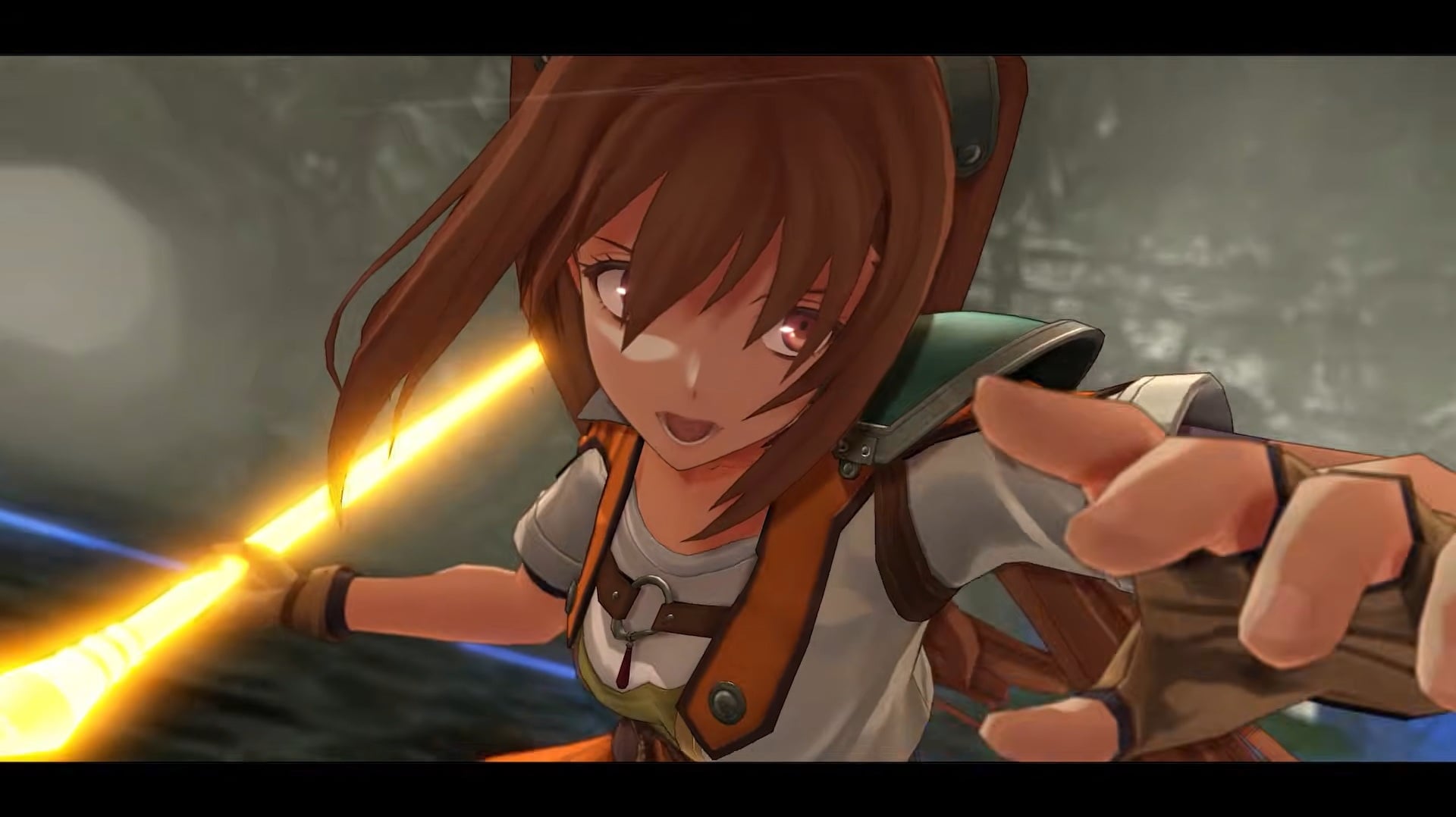
The launch trailer highlights emotional beats, combat snippets, and new voice performances, and it leans into nostalgia while showcasing the visual and audio upgrades. For many fans the trailer served as a reminder of why the original story resonated so deeply, and it also reassured newcomers that the remake keeps character moments front and center. Reaction across communities has been enthusiastic, praising the fidelity to the original while welcoming the polish. If you want to watch the official trailer, it is hosted on the game’s channels and is linked from publisher announcements and coverage across sites. The trailer also helped clarify edition details, voice cast additions, and the September 17, 2026 release window ahead of launch.
Voice acting, music, and localization
The remake ships with both full English and Japanese voice acting, broadening accessibility and allowing players to choose how they want to experience emotional scenes. Reorchestrated music adds a fresh sheen to classic themes and helps key moments land with greater impact. Localization efforts also extend to subtitles and UI text, making it straightforward for non-Japanese speakers to follow complex lore and systems. Publisher materials and press releases list an expanded English voice cast and highlight the care taken to preserve tone. For fans who treasure the original soundtrack, the reorchestrated score offers familiar melodies with richer production, while voice work brings new layers to character interactions.
Conclusion
Trails in the Sky 2nd Chapter is a faithful remake that marries the series’ narrative strengths with modern conveniences and presentation updates. It completes an essential storyline for the Trails saga and makes the experience available to Nintendo audiences across both Switch and Switch 2 hardware. With improved visuals, expanded voice work, and systems designed to make both combat and exploration more fluid, the remake is an excellent option whether you are revisiting Liberl or stepping in for the first time. Plan your purchase based on the edition that suits your needs, take advantage of demo carryover if you tried the trial, and enjoy the ways the remake respects the original while trimming friction for new players. NintendoReporters will keep covering player impressions, DLC, and tips, so stay tuned for more hands-on insights and handy guides.
FAQs
- When did Trails in the Sky 2nd Chapter release?
- It launched on September 17, 2026, across Nintendo Switch, Nintendo Switch 2, PlayStation 5, and Steam.
- Can I carry over my demo save to the full game?
- Yes, demo progress can be carried into the full release so your early playtime is preserved.
- Does the remake include English voice acting?
- Yes, the release features full English and Japanese voice tracks along with updated subtitles and localization.
- Are there new playable characters or changes to the party?
- Several former NPCs are now playable, expanding party options and combat strategies throughout the game.
- Is there a difference between the Switch and Switch 2 editions?
- The Switch 2 edition includes platform-specific enhancements, and publishers outlined upgrade paths for Switch owners looking to move to Switch 2.
Sources
- Trails In The Sky 2nd Chapter Resolves The Cliffhanger On Switch 1 & 2 This September, Nintendo Life, April 17, 2026
- 空の軌跡 the 2nd/Trails in the Sky 2nd Chapter, Nihon Falcom, 2026
- Trails in the Sky 2nd Chapter Launches September 17, Trailer and Voice Cast Revealed, TriplePoint Newsroom, April 17, 2026
- Trails in the Sky 2nd Chapter launch trailer – new remake on Nintendo Switch 2, Switch, NintendoEverything, September 17, 2026