














Summary:
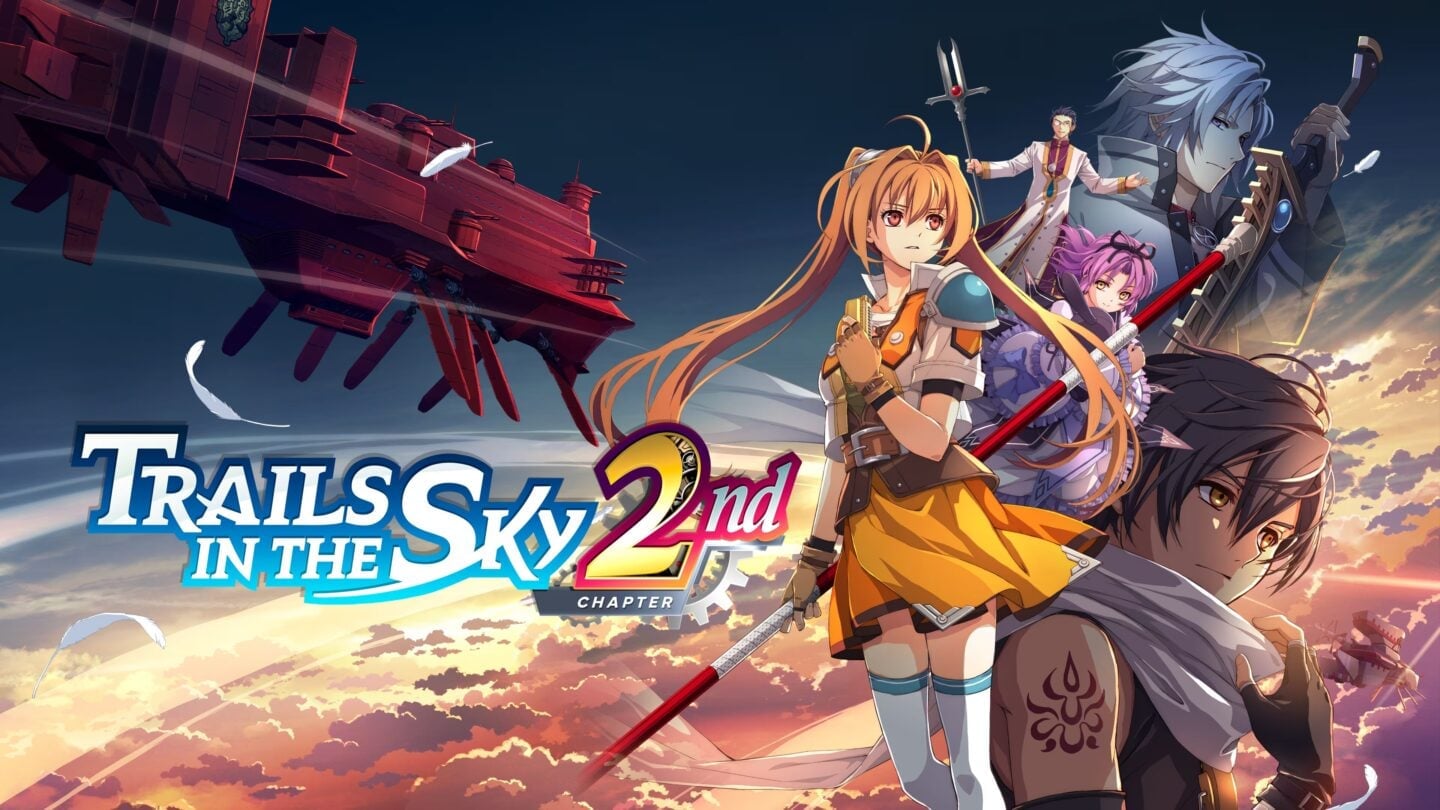
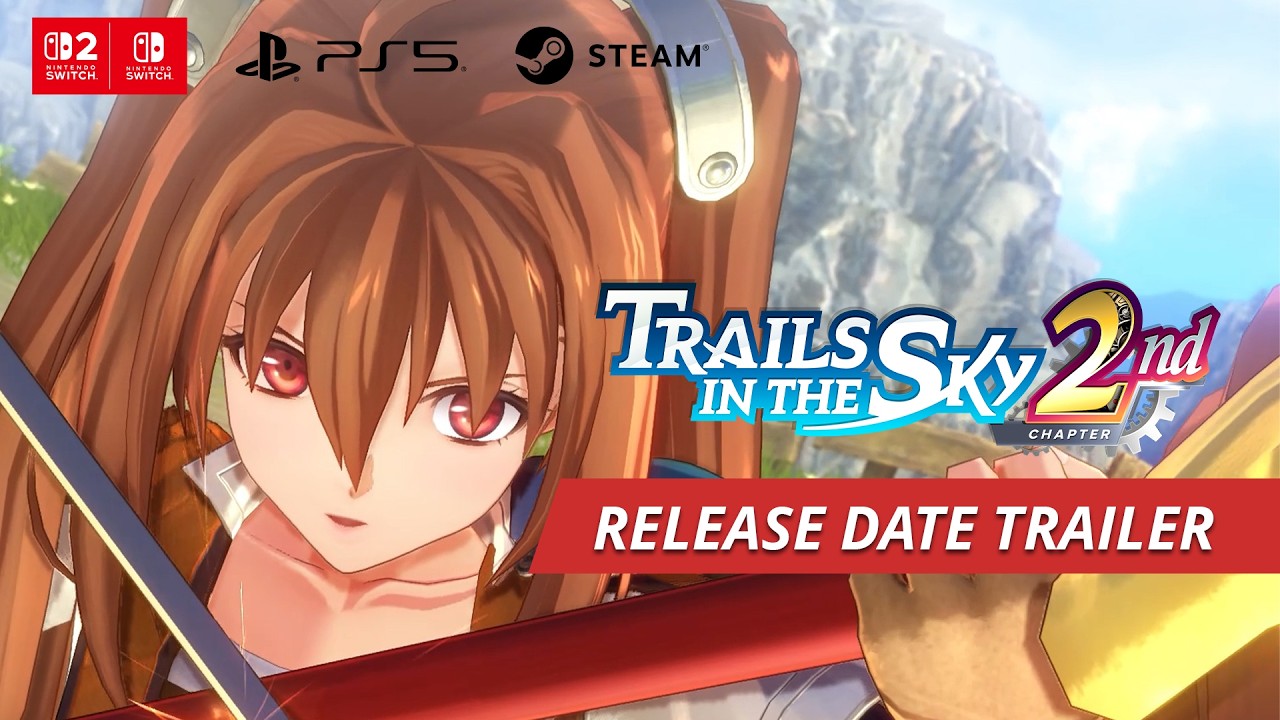
Trails in the Sky 2nd Chapter now has the kind of update that instantly changes the mood around a remake. What was once a hopeful wait has turned into a real destination on the calendar, and that matters for a series with such a loyal following. Falcom and GungHo Online Entertainment have confirmed that the remake will arrive on September 17, 2026, bringing the next major step in this modern reworking of a much-loved RPG to Switch, Switch 2, PC, and PlayStation 5. That is a strong platform spread, but the bigger story is the confidence behind it. A firm date tells players this is no longer floating in the distance. It is coming into focus, and it is doing so with purpose.
There is also something especially interesting about the way this release is being positioned. This is not being treated like a quiet follow-up that only long-time fans will notice. It feels like a bigger push, one built to welcome returning players while also inviting curious newcomers to finally see why Trails in the Sky has such a lasting reputation. The emotional weight of Estelle and Joshua’s story has always been one of the series’ strongest hooks, and that gives this remake a natural heartbeat that goes beyond visual upgrades or platform availability. You are not just looking at another RPG re-release. You are looking at a second chapter that many fans consider the payoff, the turning point, and the moment when the story truly catches fire.
For Nintendo players in particular, the release setup adds another layer of interest. Switch and Switch 2 owners are getting both digital and physical options, which gives the launch a broader shelf presence and a stronger sense of event. Even small edition details help paint the picture of a release that is being handled with care rather than pushed out the door. Pair that with a new trailer, a recognizable story foundation, and the growing momentum behind Falcom’s remake efforts, and it becomes easy to see why attention around Trails in the Sky 2nd Chapter has picked up. This is the kind of announcement that tells fans something simple but powerful: the wait is no longer the headline. The game is.
Trails in the Sky 2nd Chapter finally has a release date
There is a special kind of relief that comes with a firm release date, especially for a series that inspires the kind of loyalty Trails does. Fans do not just watch these updates from a distance. They carry them around for months, sometimes years, weighing every trailer, every store listing, and every quiet stretch in between. That is why September 17, 2026 lands with real force. It turns general anticipation into something solid. You can picture it now. Preorders, platform choices, collector chatter, and the familiar ritual of counting down to a game that actually means something to you. Trails in the Sky 2nd Chapter was already drawing attention because of what it represents, but a confirmed date changes the atmosphere around it. It makes the remake feel real in a way that vague timing never can. More importantly, it signals confidence from the publisher and developer. Games that drift in the fog tend to feel fragile. Games with a date feel planted. That distinction matters. For a story-driven RPG with such a devoted fan base, this update does more than mark a day on the calendar. It gives shape to the return of a chapter many players have been waiting to revisit in a modern form.
Why September 17, 2026 matters for the remake
The date matters because it gives this remake room to stand on its own rather than feel like a loose promise tied to a release window that could slide around. It also helps sharpen expectations. Fans can start measuring the launch as an actual event, not just a possibility floating in the future. That makes every new detail more meaningful, whether it is a trailer beat, an edition reveal, or a closer look at how the remake handles key story moments. There is also a psychological shift that happens once a date is locked in. Suddenly the conversation becomes less about whether the project is progressing well and more about what kind of experience it will deliver. That is a healthier, more exciting place for a game like this to be. Trails in the Sky is not a series carried by spectacle alone. Its strength comes from emotional buildup, character chemistry, and the slow tightening of narrative threads until they snap into place. A date gives all of that renewed momentum. It tells long-time players that the reunion with this story is no longer abstract, and it tells newer players that now is the time to start paying attention before the door swings open.
Platforms give the remake a wider runway
One of the smartest things about this launch is how widely it spreads its reach. Switch, Switch 2, PlayStation 5, and PC create a lineup that feels open rather than restrictive, and that matters for a role-playing series that benefits from accessibility and steady word of mouth. You want people talking about a game like this across multiple communities at once. You want Nintendo players comparing notes with Steam players, and PlayStation fans pulling newcomers into the series after seeing the remake in motion. That kind of shared momentum can lift a release from niche enthusiasm into something that feels broadly relevant. It also suits the identity of Trails in the Sky. This is a story many players may have heard praised for years without ever taking the plunge. A wider platform spread removes excuses. It lowers the barrier. It makes the invitation louder. That does not guarantee instant mainstream breakout status, of course, but it gives the remake a healthier runway than a limited release would have. For a series built on patience, payoff, and attachment to its cast, reaching more players on day one is not just helpful. It is essential.
Physical and digital options shape the launch
Release format details may sound small on paper, but they often shape how a launch is perceived. Physical editions still carry emotional weight, especially for role-playing fans who like seeing a favorite series on the shelf rather than trapped inside a storage menu like a sock lost behind the dryer. Digital availability, meanwhile, keeps access simple and immediate for players who just want to preload, unlock, and disappear into Liberl the moment the game goes live. Having both options helps the release feel complete. It reaches collectors, casual buyers, and players who make last-minute decisions after watching a trailer and thinking, all right, that looks too good to ignore. For Nintendo audiences, this matters even more because physical editions often remain part of the platform culture in a bigger way. When a game launches with both physical and digital options, it tends to feel like a more visible event rather than a quiet eShop update that risks being buried under a pile of discount tiles and surprise farming sims. Format may not define quality, but it does influence presence, and presence matters when you are trying to make a remake feel like a true return.
How this remake builds on Trails in the Sky SC
At the heart of this release is the fact that Trails in the Sky 2nd Chapter is a remake of The Legend of Heroes: Trails in the Sky SC, a title many fans hold close for good reason. This is where emotional stakes climb, mysteries sharpen, and personal bonds stop feeling like setup and start feeling like the engine of the entire journey. That legacy gives the remake a strong foundation, but it also raises expectations. You are not working with a forgotten side story here. You are stepping into a chapter that many players see as one of the series’ defining high points. That creates pressure, but it also creates opportunity. A well-handled remake can preserve what made the original special while giving it new texture, cleaner pacing, and a stronger visual language for modern audiences. It can take moments people already remember and make them hit again, sometimes even harder. That is the dream, anyway. Not to replace the old version, but to let it breathe in a new way. When a remake understands the original story’s emotional rhythm, it is not just repainting familiar scenery. It is rebuilding the stage so the same drama can land with fresh force.
Estelle and Joshua remain the emotional core
No matter how polished the visuals are or how broad the platform rollout becomes, this story lives or dies on its characters. Estelle and Joshua have always been the center of gravity, and that remains true here. Their bond gives the narrative its warmth, its ache, and its sense of motion. Strip that away and you still have a fantasy RPG. Keep it intact and you have something far more memorable. That is why players keep returning to this chapter in conversation. They are not only talking about plot turns or villain reveals. They are talking about how the story feels. That is the real power of this part of the Trails saga. It balances political tension, mystery, and world-building with a deeply personal emotional line that carries the whole adventure forward. Estelle, in particular, gives the journey its spark. She is not a distant heroic statue standing on a hill with wind in her hair and a dramatic soundtrack doing all the heavy lifting. She is human, stubborn, funny, warm, and determined. That makes the emotional pull of the remake stronger, because players are not just returning to a setting. They are returning to people they care about.
A full remake changes how Liberl can be experienced
Liberl has always been one of the most memorable settings in the series, but a remake opens the door to experiencing it with a different kind of immediacy. Familiar towns, routes, and story beats can feel newly alive when presentation improves, animation carries more expression, and environments are rebuilt with modern expectations in mind. That matters because Trails is a series where place is never just background dressing. Locations carry mood. They support pacing. They help define the personality of the cast and the political texture of the story. A remake that treats the world with care can make returning players feel that old spark again while helping first-time players understand why the setting has stayed with fans for so long. It is a bit like walking back into a childhood home after it has been carefully restored. The bones are the same, but the air feels different. Corners catch your eye in new ways. Details that once existed only in your memory suddenly stand in front of you. That is the promise here. Not just cleaner presentation, but a stronger sense of presence that lets Liberl hit with more clarity and emotional weight.
Why long-time fans are paying close attention
Long-time fans know this is not just another remake announcement drifting through the release calendar. They understand the place this chapter holds in the larger Trails legacy, and that awareness naturally makes every update feel loaded. Will the remake preserve the emotional intensity of the original? Will key scenes land with the same force? Will the pacing respect what made the story so powerful in the first place? Those questions sit under every reveal, because affection and scrutiny often travel together. When people care deeply, they watch closely. That is not cynicism. It is investment. In many ways, the strongest sign of love for a remake is how carefully fans inspect it. They want it to work. They want it to honor what made the original unforgettable. They want newer players to understand why this chapter matters instead of walking away with a polite shrug and a halfhearted, yeah, it was pretty good. That is a high bar, but it is also a gift. Very few games are lucky enough to return with this much goodwill already waiting at the door.
What Switch and Switch 2 players should know
Nintendo players are likely to be especially interested in this release because the platform setup gives them more than one path into the game. That flexibility matters. Not everyone moves to new hardware at the same pace, and not everyone wants to abandon a familiar system the second something shinier appears. By supporting both Switch and Switch 2, the release reaches a larger Nintendo audience without forcing an immediate split between those who upgraded early and those still playing happily on existing hardware. That is good for accessibility, but it is also good for momentum. It keeps the player base broader and the conversation more unified. There is also a practical comfort in knowing you can choose the version that fits your setup best. Some players care about getting the newest possible edition right away. Others care more about staying within the ecosystem they already use. Both approaches make sense. What matters is that Trails in the Sky 2nd Chapter is not closing the door on either group. It is showing a willingness to meet players where they are, which is exactly the kind of launch decision that helps a remake feel welcoming instead of segmented.
Why this release could expand the audience
The audience for Trails has always been passionate, but this release has a real chance to widen that circle. A remake can do that better than a late-series sequel ever could because it offers a cleaner entry point. You do not need years of accumulated release history to understand why people are excited. You just need a compelling story setup, a memorable cast, and a launch strategy that puts the game in front of enough players to spark curiosity. Trails in the Sky 2nd Chapter has all of those ingredients working in its favor. The emotional identity of the story is strong, the platform support is broad, and the timing gives the game a clear spot on the calendar to build around. That does not mean every curious newcomer will suddenly become a series historian drawing timeline diagrams on the wall with string like a detective in a slightly sleep-deprived crime drama. But it does mean more people may finally step in and see what the long-time praise has been about. If the remake delivers on its promise, it could do something very valuable for the series: turn admiration from the outside into real involvement.
Conclusion
Trails in the Sky 2nd Chapter has moved out of the realm of distant anticipation and into something far more exciting: a defined, tangible release with real momentum behind it. September 17, 2026 gives fans a destination, while the platform lineup and release formats make the game feel accessible, visible, and ready to reach beyond its core base. More importantly, the remake carries the weight of a story that still means a great deal to players who remember just how powerful this chapter can be. That emotional foundation is what gives the release its edge. This is not only about a date, a trailer, or a platform list. It is about the return of a chapter that many fans see as the moment Trails truly takes flight. If the remake captures that same heart while making the journey feel fresh again, it will not just arrive with excitement. It will arrive with purpose.
FAQs
- When is Trails in the Sky 2nd Chapter releasing?
- Trails in the Sky 2nd Chapter is set to release on September 17, 2026, giving fans a firm date for the remake’s arrival across all announced platforms.
- Which platforms will get Trails in the Sky 2nd Chapter?
- The game is coming to Nintendo Switch, Nintendo Switch 2, PlayStation 5, and PC, which gives the remake a broad launch across major current platforms.
- Is Trails in the Sky 2nd Chapter a remake of Trails in the Sky SC?
- Yes, this release is a remake of The Legend of Heroes: Trails in the Sky SC, reintroducing one of the series’ most celebrated chapters for modern hardware.
- Will the game have both physical and digital editions?
- Yes, the release includes physical and digital options, which is good news for both collectors and players who prefer quick digital access on launch day.
- Why are so many fans excited about this chapter?
- Many players see this part of the story as one of the emotional peaks of the Trails series, largely because of its character development, rising stakes, and the central journey involving Estelle and Joshua.
Sources
- Trails in the Sky 2nd Chapter Launches September 17, Trailer and Voice Cast Revealed, GungHo Online Entertainment America, April 17, 2026
- Product – Trails 2nd Chapter, Trails in the Sky 2nd Chapter Official Website, March 2026
- 『空の軌跡 the 2nd』2026年9月17日発売!, Falcom, April 17, 2026
- 空の軌跡 the 2nd 公式サイト, Falcom, April 2026
- Trails in the Sky 2nd Chapter – Release Date Trailer, GungHo, April 2026