














Summary:
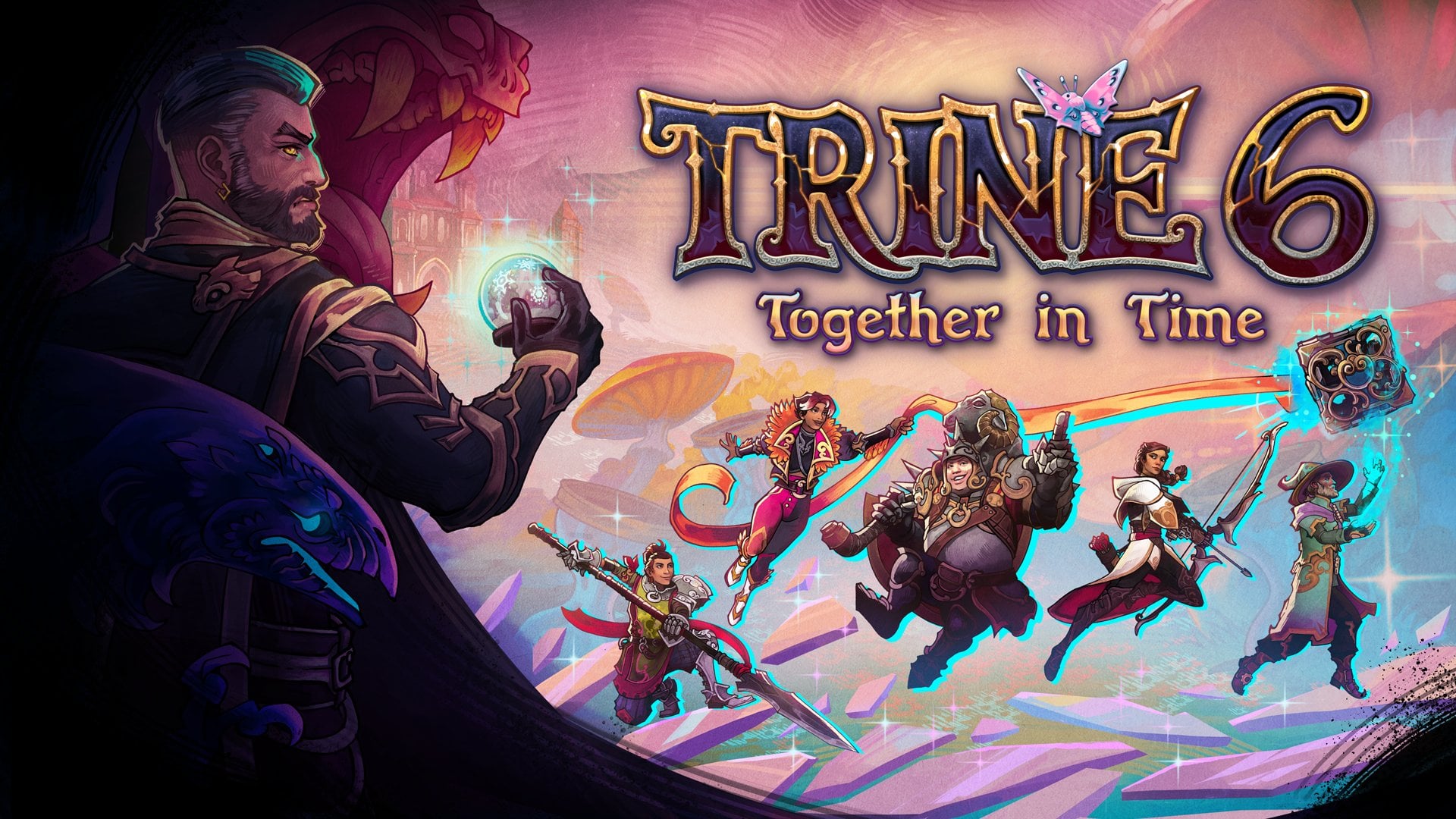
Trine 6: Together in Time has been officially announced, and Frozenbyte is bringing the beloved puzzle-platforming series back with a new adventure built around teamwork, timing, and fantasy mishaps that spiral into something much bigger. Launching on September 17, 2026, the game is planned for Nintendo Switch, Nintendo Switch 2, PlayStation 5, Xbox Series X|S, and PC through Steam and the Epic Games Store. The new entry keeps the series’ familiar blend of magical physics puzzles, side-scrolling platforming, and character-driven problem solving, while adding a Time-Slow ability that should give players a fresh way to think through traps, combat, and tricky platforming sequences. The story follows Moira and Adrius, two ambitious young characters whose failed heist accidentally ties their fate to Amadeus, Zoya, and Pontius. From there, the unlikely group must travel across dangerous fantasy landscapes, repair powerful magic that has gone wrong, and stay ahead of a warlock who wants to reclaim what he believes is his. Trine 6 is designed for solo play and 1-4 player co-op, with puzzles shaped around coordination, ability combinations, and shared problem solving. For Nintendo players, that mix could feel right at home, especially for anyone who enjoys colorful fantasy worlds, couch co-op, and puzzle-solving that rewards clever timing rather than raw speed.
Trine 6: Together in Time brings the magical puzzle series back in September 2026
Trine 6: Together in Time is officially set to continue Frozenbyte’s long-running puzzle-platforming series on September 17, 2026, and yes, Nintendo players are included from the start. The new adventure is coming to both Nintendo Switch and Nintendo Switch 2, alongside PlayStation 5, Xbox Series X|S, and PC. That platform lineup makes the announcement especially interesting because it gives the series room to serve both existing Switch owners and players moving into Nintendo’s newer hardware. For a series built on colorful fantasy landscapes, physics-based puzzles, and character swapping, that broad release plan feels sensible. Trine has always had a warm, storybook quality to it, like opening a pop-up fairy tale and discovering that half the props can roll, swing, collapse, or accidentally knock someone into a pit. Trine 6 looks set to keep that spirit alive while introducing new ideas that push the formula forward.
The new entry carries the subtitle Together in Time, which says quite a lot before the first puzzle even begins. The name points directly toward two pillars of the game: cooperation and time-based mechanics. Frozenbyte is not simply returning to the usual trio of Amadeus, Zoya, and Pontius for another round of magical trouble. Instead, Trine 6 expands the setup with two younger characters, Moira and Adrius, whose bad decision kicks the story into gear. That gives the adventure a slightly different flavor. It’s still heroic fantasy, but there’s also the enjoyable messiness of a mistake that grows far beyond what anyone expected. In other words, one failed heist becomes everyone’s problem. Classic fantasy logic, really. Touch the wrong magical thing, and suddenly the kingdom needs saving before lunch.

Frozenbyte is building Trine 6 around teamwork, timing, and shared fantasy chaos
The heart of Trine 6 appears to be cooperation, whether players are sharing a couch, connecting online, or handling the journey alone. Frozenbyte describes the game as a co-op puzzle platformer for 1-4 players, which immediately suggests a broader party dynamic than the traditional three-hero rhythm the series is known for. That matters because Trine has always been at its best when every ability feels like a toy and a tool at the same time. A box is not just a box. A rope is not just a rope. A shield is not just a shield. They are ingredients in a magical problem-solving soup, and sometimes that soup spills all over the floor in the funniest possible way.
By emphasizing teamwork, Trine 6 can lean into the playful tension that makes co-op puzzle games memorable. Someone needs to time a jump. Someone else needs to hold a platform. Another player might need to slow danger at just the right moment. Then, inevitably, someone will misread the plan and launch themselves into a spike trap with heroic confidence. That’s part of the charm. Great co-op design does not only reward perfect execution. It creates moments where players laugh, regroup, and try again with a better plan. Trine 6 seems built for exactly that kind of rhythm, where the answer to a puzzle might be obvious after five minutes of chaos, but the journey to get there is half the fun.
The Time-Slow ability adds a fresh twist to puzzle solving and platforming
The most eye-catching new mechanic in Trine 6 is the Time-Slow ability, which gives players a way to temporarily slow down the action. In a puzzle-platformer, that kind of power can change the feel of almost everything. Moving hazards become more readable. Falling objects become part of a plan instead of a panic button. Combat encounters can give players a split-second window to react, reposition, or set up another ability. The best part is that time manipulation fits Trine’s identity without feeling out of place. This is already a world where magic, physics, and fairy-tale logic happily share the same stage, so bending time feels like another curious tool pulled from the kingdom’s enchanted toolbox.
What makes the Time-Slow ability especially promising is how it could interact with co-op. A mechanic like this becomes more than a personal safety net when multiple players are working together. One player might slow a platform while another crosses. A teammate could use the effect to make an enemy pattern manageable. A puzzle might ask players to coordinate timing across several moving parts, turning what looks like a simple obstacle into a miniature stage performance. When it works, everyone feels clever. When it doesn’t, someone probably gets flattened by a swinging log and everyone pretends it was a test run. That balance of precision and slapstick has always suited Trine beautifully.
Solo players are not being left behind in the new co-op-first design
Although Trine 6 is built with co-op in mind, solo players are still part of the plan. That is important because Trine has always appealed to players who enjoy solving layered puzzles at their own pace. Not everyone wants three friends shouting suggestions at once, especially when one of those friends insists that every puzzle can be solved by jumping harder. Frozenbyte says the game includes updated puzzle designs for players going it alone, which should help the adventure feel fair and natural even without a full team. The key challenge will be making solo play feel thoughtful rather than like a workaround for a game that secretly wants more people in the room.
If handled well, solo play could offer a different kind of satisfaction. Co-op is often about communication and timing, while solo Trine tends to feel more like conducting a tiny magical orchestra. You look at the tools available, test the environment, notice how objects move, and slowly build a solution. There is a calm pleasure in that, even when the puzzle itself is dangerous. Trine 6 has the chance to offer both moods: energetic teamwork for groups and more deliberate puzzle solving for players who prefer to think things through without someone yelling, “Wait, I have an idea,” right before disaster strikes.
Amadeus, Zoya, and Pontius return alongside two new faces caught in a dangerous mistake
Trine 6 brings back Amadeus, Zoya, and Pontius, the familiar heroic trio that has carried the series through years of magical mishaps. Each character represents a different flavor of fantasy problem solving. Amadeus brings wizardly creativity, Zoya brings agility and precision, and Pontius brings the kind of knightly confidence that makes heavy armor look surprisingly flexible. Their return gives longtime players an immediate anchor, but the addition of Moira and Adrius gives Together in Time a new spark. Rather than simply sending the established heroes on another quest, the story begins with two enterprising young characters getting in over their heads when a heist goes wrong.
That setup is smart because it creates instant momentum. A failed heist is personal, messy, and easy to understand. Moira and Adrius are not introduced as perfect chosen heroes standing under a glowing prophecy. They make a mistake. That mistake binds their fate to the kingdom’s greatest heroes and pulls them into a much larger crisis. It is the sort of premise that lets the story balance humor, guilt, growth, and adventure. The old heroes have experience. The new characters have urgency. Put them together, and there is room for friction, mentorship, and plenty of “how did we end up here?” energy.
Moira and Adrius bring a heist-gone-wrong setup into the heart of the story
Moira and Adrius sound like the spark that lights the fuse in Trine 6. Their failed heist does more than create a funny opening incident. It accidentally ties them to Amadeus, Zoya, Pontius, and the fate of the realm itself. That gives the new characters a meaningful role from the beginning, rather than presenting them as decorative additions to a familiar cast. A good fantasy adventure often needs that kind of personal mistake, because saving the world feels more engaging when the heroes have a reason to feel responsible. It’s one thing to fight danger because destiny says so. It’s another thing to fight danger because, well, you may have broken something magical and now a warlock is on the way.
The heist angle also leaves room for personality. Moira and Adrius are described as enterprising young souls, which suggests ambition, curiosity, and probably a questionable amount of confidence. That can be a fun contrast with the returning heroes. Amadeus may see the disaster as yet another magical complication he did not ask for. Zoya may respect the nerve behind the heist while still questioning the planning. Pontius, being Pontius, might approach the whole thing with noble enthusiasm and a sword-first attitude. Even without knowing every story beat, the premise gives the cast enough ingredients for lively character moments.
The warlock threat gives the new adventure a ticking-clock fantasy hook
The central danger in Trine 6 involves powerful magic gone awry and a dangerous warlock closing in to reclaim what is his. That detail gives the adventure a useful ticking-clock structure. The heroes are not just wandering through pretty ruins because the scenery is nice, although the scenery will probably be very nice. They are trying to fix a magical crisis before someone far more dangerous takes advantage of it. A warlock works well as a fantasy threat because the role carries mystery, menace, and a certain theatrical flair. You never expect a warlock to calmly send a polite letter asking for a missing artifact back. They tend to arrive with shadows, ominous music, and an attitude problem.
This threat also pairs neatly with the game’s time theme. When a story involves time, magic, and a villain trying to reclaim power, the stakes can feel both immediate and strange. The heroes may have to solve problems that are not only physical, but magical and temporal. That could open the door to puzzles where time manipulation is more than a gameplay trick. It could become part of the world’s logic, shaping how players understand the environments and the story’s danger. The result could be an adventure where mechanics and narrative reinforce each other, rather than sitting in separate corners like awkward guests at a royal banquet.
Nintendo Switch and Switch 2 players are getting the full Trine 6 adventure
The confirmation that Trine 6 is coming to both Nintendo Switch and Switch 2 is one of the most notable parts of the announcement for Nintendo fans. Cross-generation releases can be tricky, but they also make sense for a series like Trine. The games are known more for artistry, physics, and puzzle design than for chasing raw spectacle, which gives the series a better chance of feeling at home across different hardware profiles. For existing Switch owners, it means they are not being left outside the castle gates. For Switch 2 players, it means they will have a new fantasy co-op option during the system’s growing library phase.
There is also a practical appeal here. Trine’s structure works well for flexible play. You can sit down for a focused puzzle session, play with friends locally, or enjoy a longer evening of co-op progression. On Nintendo hardware, that kind of adaptability matters. A colorful puzzle-platformer that supports solo play and co-op can slot neatly into different routines, from relaxed handheld sessions to living-room chaos. The series has always had a friendly “just one more puzzle” pull, and Together in Time seems positioned to continue that tradition while giving Nintendo players a new mechanical hook through Time-Slow gameplay.
Why Trine 6 feels like a natural fit for Nintendo players
Trine 6 feels like a natural fit for Nintendo players because it combines approachability with cleverness. The fantasy style is inviting, the co-op concept is easy to understand, and the puzzles can offer enough bite to keep players engaged. Nintendo audiences have long shown affection for games that mix charm with mechanical creativity, and Trine sits comfortably in that space. It does not need to shout to stand out. It can draw players in with glowing forests, dangerous ruins, magical contraptions, and the simple satisfaction of figuring out how to cross a gap that looked impossible thirty seconds earlier.
The series also has a family-friendly co-op energy without feeling shallow. That is a difficult balance to strike. Some puzzle games are too dry for casual groups, while some co-op games are too chaotic to feel thoughtful. Trine often lands in the middle, where players can experiment, laugh, and still feel smart when a solution clicks. Trine 6’s 1-4 player structure could make that even stronger. It creates space for different kinds of players: the careful planner, the bold jumper, the friend who keeps pressing the wrong button, and the quiet genius who solves the puzzle while everyone else is arguing about ropes.
Local and online co-op could make Trine 6 a strong couch-play pick
Trine 6 supports solo play and co-op, with local couch play and online play included in the official announcement details. That matters because co-op games live or die by how easily people can share the experience. Local play gives Trine 6 the cozy living-room appeal that suits Nintendo hardware especially well. Online play gives friends the chance to solve puzzles together even when they are not in the same room. Both options are valuable, and together they make the game easier to recommend to different types of players.
The 1-4 player setup also raises interesting design possibilities. With more players involved, puzzles can ask for more coordination, more simultaneous actions, and more creative use of character abilities. That can turn a simple obstacle into a little team puzzle box. Of course, more players also means more chances for mistakes, but in Trine, mistakes often become part of the entertainment. A mistimed jump, a misplaced object, or a heroic rescue attempt that goes wildly wrong can make the solution more memorable. Trine 6 seems to understand that co-op is not only about success. It is about the ridiculous path everyone takes to get there.
Conclusion
Trine 6: Together in Time looks like a confident return for Frozenbyte’s puzzle-platforming series, with a clear focus on teamwork, magical problem solving, and a story that starts with one very inconvenient mistake. The September 17, 2026 launch date gives Nintendo Switch and Switch 2 players something specific to look forward to, while the 1-4 player co-op structure makes the game appealing for both group play and solo adventuring. The Time-Slow ability could become the standout new ingredient, especially if it connects naturally with the puzzles, platforming, and fantasy storytelling. With Amadeus, Zoya, and Pontius returning alongside Moira and Adrius, Together in Time has the right mix of familiar charm and fresh trouble. And honestly, what’s more Trine than a magical problem getting wildly out of hand?
FAQs
- When is Trine 6: Together in Time releasing?
- Trine 6: Together in Time is scheduled to release on September 17, 2026. The game is planned for Nintendo Switch, Nintendo Switch 2, PlayStation 5, Xbox Series X|S, and PC through Steam and the Epic Games Store.
- Is Trine 6 coming to Nintendo Switch 2?
- Yes, Trine 6: Together in Time is coming to Nintendo Switch 2. It is also coming to the original Nintendo Switch, giving both current and newer Nintendo players access to the adventure.
- Can Trine 6 be played solo?
- Yes, Trine 6 can be played solo. Although the game is designed with co-op as a major focus, Frozenbyte has confirmed that updated puzzle designs will also support players who prefer to experience the adventure alone.
- How many players does Trine 6 support?
- Trine 6 supports 1-4 players. The game is built for solo play, local couch co-op, and online co-op, making it flexible for different play styles and group setups.
- What is new in Trine 6: Together in Time?
- One of the biggest new features is the Time-Slow ability, which lets players temporarily slow the action during puzzles, combat, and platforming. The game also introduces Moira and Adrius alongside returning heroes Amadeus, Zoya, and Pontius.
Sources
- Trine 6: Together in Time coming September 17, 2026!, Frozenbyte, June 6, 2026
- Trine 6: Together in Time coming September 17, 2026!, Trine Series, June 6, 2026
- Trine 6: Together in Time announced for PS5, Xbox Series, Switch 2, Switch, and PC, Gematsu, June 5, 2026
- Trine 6: Together in Time, Steam, June 6, 2026
- Trine 6: Together in Time – Neuer Teil der magischen Platformer-Reihe erscheint im September, ntower, June 6, 2026