

Summary:
The rise in spending on Nintendo Switch 2 game-key cards is one of the more surprising shifts in 2026 gaming trends. According to industry tracking cited by multiple outlets, spending on game-key cards has jumped by 631 percent year-to-date, driving a modest 5 percent increase in overall U.S. physical software spending. That spike looks less like a wholesale revival of boxed games and more like a market quirk: more game-key card releases, big third-party ports arriving on Switch 2, and players who prefer a tangible purchase option are all contributing. For Nintendo fans and collectors this matters for availability, resale value, and what retailers stock. Below we break down what the numbers actually show, which titles helped, how to read percentage spikes, and what collectors and retailers should watch next.
What the 631 percent jump in Game-Key Cards actually means for Switch 2 physical spending
When a headline says spending on game-key cards rose 631 percent, the immediate reaction is shock. That figure doesn’t mean every Switch 2 owner switched habits overnight. Instead it reflects dollar spending on a specific physical format compared to a smaller base period. In plain terms: there were far fewer game-key card releases last year, and this year publishers flooded the format, so the percentage growth looks enormous. Still, the result is real – overall spending on new physical software in the US is reported to be up around 5 percent year-to-date, and game-key cards are the major contributor. For players who like to hold a package in their hands, trade, or resell, game-key cards offer a familiar retail experience while remaining cheaper to produce than full cartridges that hold game data.
Why game-key cards spiked – supply, publisher choices, and player preference
Several practical reasons explain the surge. First, more publishers now offer Switch 2 releases as game-key cards rather than full data cartridges, because cards that only contain a license are cheaper to manufacture and ship. Second, big third-party releases and ports appearing on Switch 2 this year gave consumers more incentive to buy physical copies, and when the physical option is a key card, that format benefits. Third, some players still prefer physical purchases for resale value or gifting, and game-key cards fill that niche. Finally, seasonality and a growing Switch 2 install base mean there are simply more potential buyers now. Taken together, these forces created a situation where spending on a previously small format ballooned rapidly when compared to last year’s modest base.
Which releases helped drive the numbers
A few high-profile releases landing in physical form as game-key cards are frequently cited as contributors. Big-name ports and entries that reached retailers in a game-key card format drew attention and sales, especially among players who wanted a physical box but didn’t need the game data on the cartridge. Titles like Pokémon Pokopia and other major franchises helped push visibility for the format, while well-known third-party releases that got Switch 2 versions also lifted spending. That said, the increase was driven by volume of releases as much as single breakout sellers, meaning the format gained momentum because many publishers chose that route this year.
How to read percentage spikes – context matters more than the number
Percentages can be powerful headlines, but context is the translator. A 631 percent increase from a very small number is not the same as a 631 percent increase from a huge base. Analysts explained that last year there were only a handful of game-key card titles, whereas this year dozens more appeared on shelves. That makes the year-over-year percentage look dramatic, even if total dollar amounts remain a fraction of overall gaming spending. It also matters whether the data counts spending or unit sales. In this case, the cited figures refer to dollar spending on new physical software, which factors in price differences between standard cartridges, premium boxed editions, and key-card releases. Always check what the metric measures before assuming it reflects widespread consumer behavior changes.
What collectors, shoppers, and retailers should take away from this trend
If you collect physical Nintendo items or run a retail operation, the rise in game-key card spending has practical consequences. Collectors who prize cartridge-based releases may see a larger share of third-party Switch 2 games shipped as key cards rather than data-filled cartridges, which can affect perceived value and long-term resale. Retailers need to adjust stocking plans – if demand tilts toward key cards, shelf space and ordering patterns should reflect that change. For shoppers, a key card offers the convenience of a physical purchase without the same storage footprint as a cartridge. For NintendoReporters readers who follow both modern and classic Nintendo formats, it’s worth watching which franchises keep using cartridges and which lean into key cards over time.
Potential negatives and market risks to watch
No boom is without caveats. Key-card popularity may be temporary if publishers or consumers change course, or if price fluctuations make certain formats less appealing. There’s also the risk that headline percentages mask uneven adoption across regions or retailers. Supply chain choices, production costs, and retailer partnerships will influence whether key cards remain a preferred option. Additionally, hardware price changes or retail pricing strategies could shift consumer behavior—factors that industry watchers and fans should monitor closely. For now, the format gives buyers a physical option, but its long-term place in the market is still being written.
How this ties back to the Switch 2 platform and ecosystem
The Nintendo Switch 2 ecosystem is still maturing, and the availability of alternative physical formats is part of that maturation. The rise of game-key cards shows publishers experimenting with lower-cost physical options while still offering store-front visibility. For players curious about the platform’s direction, check out more on the Nintendo Switch 2 page to follow hardware and software developments. As new games arrive and publishers refine their release strategies, the balance between cartridges, key cards, and digital-only launches will clarify, shaping how fans buy and collect games going forward.
Conclusion
The 631 percent increase in spending on game-key cards is an eye-catching statistic that reflects a mix of publisher strategy, more Switch 2 releases, and consumer preference for physical options. It boosted overall physical software spending year-to-date, but the headline number is amplified by a small comparative base from last year. For collectors, retailers, and everyday players the change is noteworthy: it affects availability, resale value, and how games are packaged at retail. NintendoReporters will keep tracking how publishers and fans react as the Switch 2 era evolves.
FAQs
- What exactly is a game-key card?
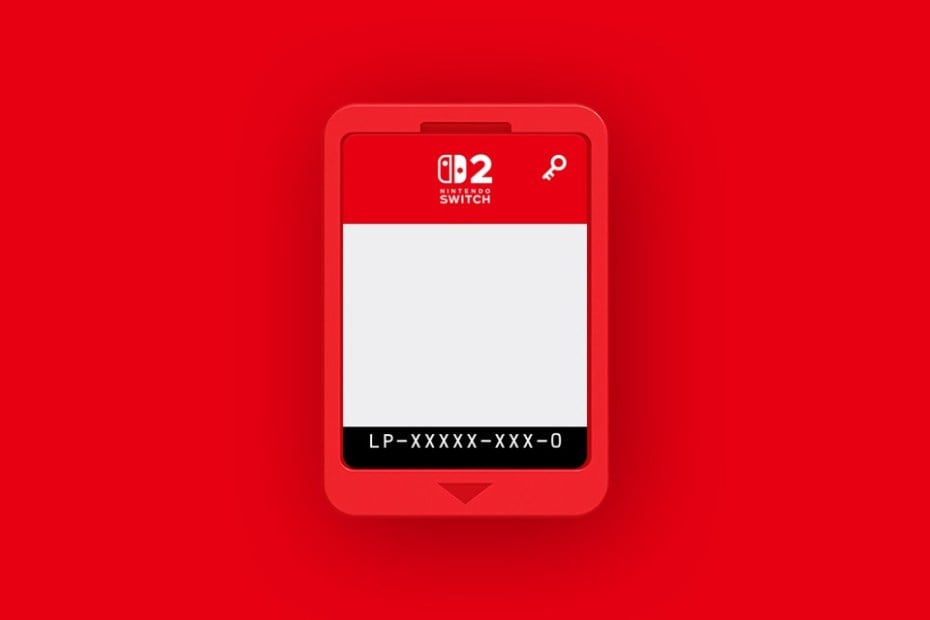
- A game-key card is a physical package that contains a digital activation code rather than game data on the cartridge. It gives buyers a physical purchase option while relying on downloads for the game files.
- Does the 631 percent increase mean more players bought games overall?
- Not necessarily. The figure refers to dollar spending on game-key cards and compares a small prior base to a much larger release slate this year. Overall physical software spending rose modestly, but the spike mainly reflects format shift and release volume.
- Are game-key cards better or worse for collectors?
- It depends on what you collect. Key cards are convenient and often cheaper to produce, but some collectors prefer traditional cartridges with game data for perceived longevity or resale value.
- Will more publishers use game-key cards going forward?
- Publishers are currently experimenting. The uptick this year shows many are open to the format, but long-term adoption will depend on consumer demand, production costs, and retailer feedback.
- Where can I find updates on Switch 2 releases and formats?
- NintendoReporters covers new releases, format changes, and guides for Switch 2. Follow our Nintendo Switch 2 section and news updates to stay informed.
Sources
- Spending On Physical Games In The U.S. Is…Up? Thanks To Game-Key Cards?, Kotaku, October 8, 2026
- Nintendo Switch 2 game-key card sales have increased by 631% in the U.S., NintendoEverything, October 8, 2026
- Top 10 Best-Selling Video Games, Circana, September 1, 2026
- Sales of Switch 2 Game-Key Card releases have increased 631% in US according to report, NintendoWire, October 8, 2026