














Summary:
Villion: Code is a new school RPG from Compile Heart that launched in Japan on June 25, 2026. Guided by veteran producer Kouji Okada and featuring character art by Ilya Kuvshinov, the game blends a near-future survival story with unique systems such as the Sankhara Space-Time tube dungeons, Genome Arms, and Genome Cubes. Players explore an academy city sealed off after monstrous GEMs begin attacking, fight through 360-degree procedurally influenced dungeons, and make story-shaping choices during conversation and investigation events. While the game is available on both Nintendo Switch and Nintendo Switch 2 in Japan, details on an official English release for North America and Europe remain unconfirmed at this time. This piece breaks down the core features, staff, platform notes, and what to watch for as localization news develops.
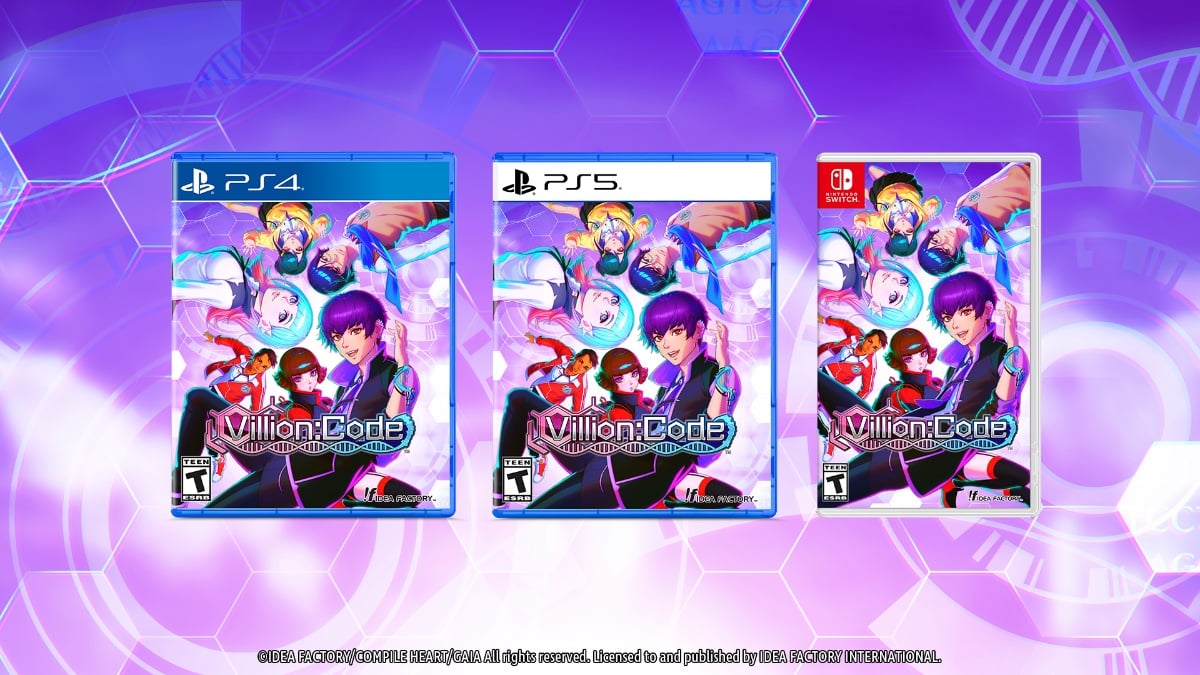
Villion: Code is going West
Villion: Code is a modern-school RPG that places players in a near-future academy city struggling to survive after a bio-anomaly unleashes mutated creatures called GEMs. The premise leans into moral weight – trapped inhabitants must confront the consequences of past actions while trying to survive. From the announcement and launch materials, the tone mixes tense survival moments with character-driven drama, and the narrative is presented through conversation and investigation events that can influence outcomes. The game’s team includes recognized names from classic JRPG history, which helps explain the interest it has generated among Nintendo-focused fans. Expect strong thematic beats, character art that leans cinematic, and a battle-forward structure built around switching combat roles mid-fight.
Platforms and Japan release details
Villion: Code launched in Japan on June 25, 2026 for multiple platforms, including PlayStation 4, PlayStation 5, Nintendo Switch, and Nintendo Switch 2. The PlayStation 4 release is digital only while physical editions are available for other platforms in Japan. Packaging and retailer listings show standard, digital deluxe, and limited special editions, with pricing tiers appropriate to each format. For Switch owners this means you can pick up a physical copy for the original Switch or the newer Switch 2 hardware in Japan, and the launch included trailers and system videos that outline both story scenes and core gameplay systems. Western release plans have not been finalized publicly by the publisher at time of writing.
Gameplay and core systems
The game is built around several signature mechanics that give it a distinct identity. Dungeons are described as the Sankhara Space-Time, tube-shaped environments that twist and present randomized challenges. Combat uses Genome Arms – mutated weapons with distinct attack traits – allowing players to swap between melee and ranged styles to chain combos. Items called Ampules are collectible resources used to synthesize Genome Cubes, which in turn can be upgraded with EX Factors to boost stats and unlock passive bonuses. Outside of battles, investigation and conversation sequences with artwork by Ilya Kuvshinov provide narrative weight and force quick, consequential decisions. Altogether, these systems aim to reward experimentation and tactical switching during fights while tying progression to exploration in the tube dungeons.
Sankhara Space-Time Oddity – dungeon design explained
The Sankhara Space-Time is presented as a 360-degree, tube-shaped dungeon concept inspired by symbolic motifs. Rather than flat corridors, these dungeons twist in three dimensions and can be generated with randomized elements and gimmicks that change how you approach exploration. This design encourages spatial thinking – you may need to reposition, use different camera angles, or tackle mechanics that only appear on specific segments of the tube. The structure also supports the game’s theme by evoking a cyclical, almost ritual feel to each delve, tying dungeon layout to narrative symbolism. Encounters within the Sankhara Space-Time are meant to be varied, with environmental hurdles layered on top of the randomized pathing to keep runs fresh.
Genome Arms, Genome Cubes and combat mechanics
Combat in Villion: Code hinges on trait-driven weapons and modular progression. Genome Arms give each character unique attack styles and let players fluidly switch between close-quarters and ranged tactics to build combos. The resource loop funnels Ampules found in dungeons into Genome Cubes – upgradeable items that offer base stat increases, bonus effects, and passive skills when energized with EX Factors. This system encourages players to balance immediate combat needs with longer-term investment: do you upgrade an existing Cube for a small advantage now or save resources to craft a more powerful configuration later? The result is a layered progression loop that connects dungeon runs, loot choices, and battle strategy.
Story, tone and visual direction
Villion: Code sets a tense, morally gray stage – an academy city sealed off to contain a disaster, survivors forced to reckon with their actions while facing mutated classmates and teachers. The narrative presentation mixes investigation beats with conversation sequences, and the decisions players make during these moments can shape character relationships and story direction. Visually, character art by Ilya Kuvshinov gives the game a distinctive, modern-anime look that contrasts with the darker subject matter. The soundtrack and system videos released ahead of launch hint at cinematic set pieces and soundtrack-led scenes, suggesting the developer wanted to craft moments that feel both intimate and large-scale depending on the story beat.
Key staff – Kouji Okada and collaborators
Villion: Code lists several veteran creatives on its credits, most notably Kouji Okada – known for work on Megami Tensei and Persona – as a guiding producer. The scenario has input from experienced writers, and Tsukasa Masuko is noted for composing, bringing a legacy touch to the score. Character art by Ilya Kuvshinov has been highlighted in promotional materials, offering high-profile visual identity to the cast. That pedigree explains the early buzz: fans of classic JRPGs often track projects where familiar names return, and this team blends legacy creators with contemporary artists to make a game that feels both nostalgic and modern.
Western release and localization status
At the time of writing, Villion: Code has a confirmed Japan launch and platform spread, but there is no firm, public announcement from the publisher about an English release date or exact Western publishing partners. Some outlets and retailers list Japanese physical editions available for import, while English-language coverage has been tracking the game’s launch and systems. If you want to play the title outside Japan you can follow official publisher channels for localization updates, but for now the safest detail is that a North American and European release has not been finalized publicly. NintendoReporters will keep an eye on any localization news and will update readers when an official announcement arrives.
Conclusion
Villion: Code is a visually striking school RPG with systems designed to push tactical thinking and resource management across its tube-dungeon architecture. With a respected creative lineup and a Japan launch already underway, the title is worth watching for fans of modern JRPGs who follow both classic designers and distinctive visual styles. While the Western release status is still waiting official confirmation, NintendoReporters will track developments closely and bring updates when localization details are confirmed.
FAQs
- Is Villion: Code available on my Switch?
- Yes – the game launched in Japan for both Nintendo Switch and Nintendo Switch 2 platforms. Physical editions were distributed in Japan for supported consoles.
- Who is making Villion: Code?
- Villion: Code is developed by Compile Heart with production input from Kouji Okada and character art by Ilya Kuvshinov, among other credited collaborators.
- What are the standout gameplay features?
- Look for the Sankhara Space-Time tube dungeons, Genome Arms that switch combat styles, Ampules and Genome Cubes for progression, and choice-driven conversation and investigation events.
- Has an English release date been announced?
- No official Western release date or localization publisher has been confirmed publicly at the time of writing; follow official publisher channels for updates.
- Will the game have a physical release outside Japan?
- Physical editions are confirmed for Japan. International physical releases depend on localization and regional publishers and have not been finalized publicly yet.
Sources
- Compile Heart and Megami Tensei co-creator announce Villion: Code for PS5, Switch 2, PS4, and Switch, Gematsu, January 27, 2026
- 本日発売! 学園RPG『Villion:Code』岡田耕始氏 企画プロデュースの最新作!, PR Times, June 25, 2026
- [プレイレポ]環境破壊,地球温暖化――学園RPG「Villion:Code」本日リリース, 4Gamer.net, June 25, 2026