














Summary:
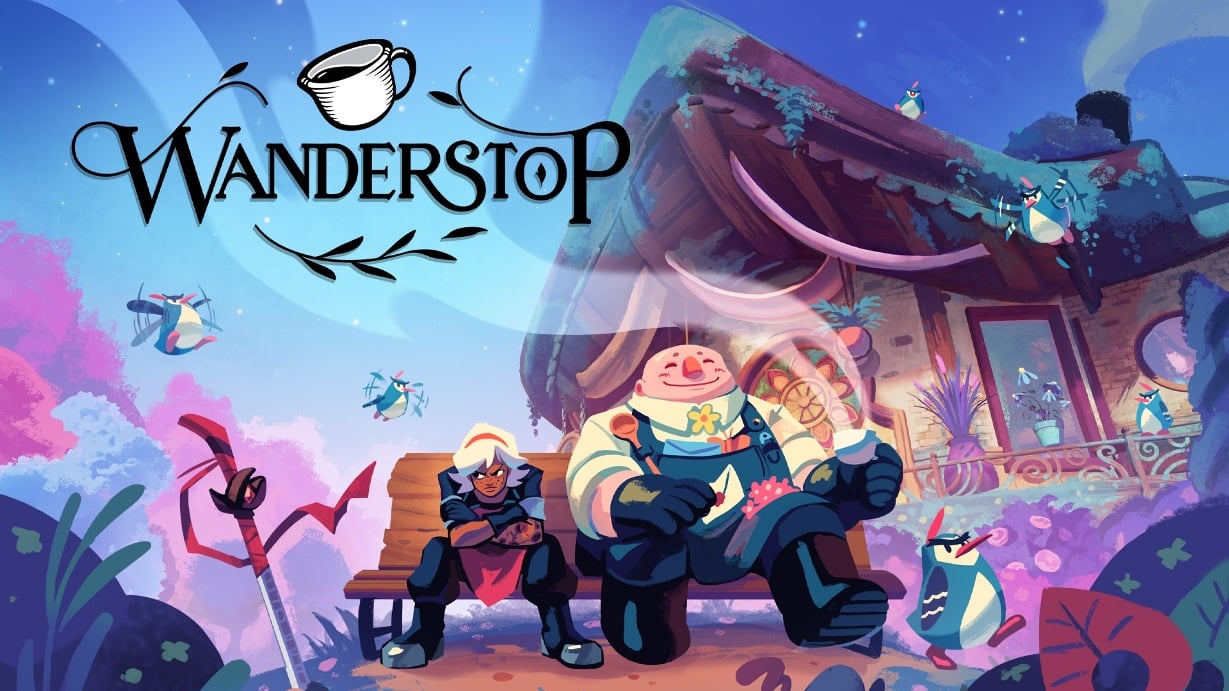
Wanderstop has officially opened its doors on Nintendo Switch 2 and Nintendo Switch, giving players another way to experience its unusual mixture of tea shop management, gentle routines and emotional storytelling. Developed by Ivy Road and published by Annapurna Interactive, the game follows Alta, a once-formidable fighter who finds herself working in a tea shop hidden within a magical forest. That sounds peaceful enough, but Alta is not exactly thrilled about trading combat for cups, customers and carefully cultivated ingredients.
The launch trailer offers a fresh look at the contrast that defines the experience. Players can grow plants, harvest ingredients, experiment with an unusual tea-making machine and prepare drinks for the travellers who visit the shop. Meanwhile, Alta wrestles with a much harder task: accepting that she cannot simply fight her way through every problem. The colourful surroundings and relaxed activities may look comforting, yet the story carries a thoughtful examination of identity, exhaustion, change and the pressure to keep moving when stopping feels unbearable.
Both Nintendo versions were released digitally on June 23, 2026. A physical Nintendo Switch 2 edition is also planned to begin shipping during the third quarter of 2026. Whether you arrive for the tea, the memorable customers or Alta’s wonderfully stubborn resistance to relaxation, Wanderstop offers a cozy experience with a surprisingly sharp emotional edge.
Wanderstop Opens Its Tea Shop on Nintendo Switch
Wanderstop is now available digitally for Nintendo Switch 2 and Nintendo Switch, bringing Ivy Road’s narrative-focused tea shop experience to Nintendo players. The two versions arrived on June 23, 2026, allowing players to visit the enchanted forest at home, in handheld mode or wherever a quiet cup of tea feels appropriate. It is the kind of setting that seems made for portable play. You can tend a garden, serve a customer and listen to a heartfelt conversation during a relaxed evening without needing to clear an entire afternoon from your schedule. Just do not expect Alta to share your enthusiasm for taking things slowly. She enters the tea shop with all the patience of a warrior being asked to polish teaspoons during the championship final.
The Nintendo launch gives the game access to an audience that has warmly embraced farming adventures, life simulations and story-led independent releases. Wanderstop fits beside those experiences while maintaining a personality of its own. It offers familiar activities such as planting, harvesting and serving customers, but these routines are closely connected to Alta’s personal struggle. Every peaceful task challenges the way she understands herself. The shop is not merely a workplace or a decorative hub. It becomes a space where she must confront the uncomfortable possibility that rest, patience and vulnerability may require more courage than another battle.

The Launch Trailer Introduces Alta’s Unwanted New Life
The launch trailer highlights Wanderstop’s colourful surroundings, unusual machinery and eccentric visitors while keeping Alta’s internal resistance at the centre of the story. She is not an eager newcomer delighted to exchange her armour for an apron. Alta views the tea shop as an interruption, perhaps even an insult, because it forces her into a role that appears completely incompatible with the person she believes herself to be. She is a fighter. Fighters train, compete and win. They do not patiently wait for fruit to ripen before preparing a carefully balanced drink for a stranger with complicated feelings.
That stubbornness gives the otherwise gentle premise a welcome spark. Instead of beginning with a protagonist who already understands the value of community and peaceful routines, Wanderstop follows someone who actively rejects them. The trailer presents tranquil gardening and tea preparation beside Alta’s agitation, creating a contrast that is often funny but also painfully recognisable. What happens when the identity that carried you through life suddenly stops working? Can you change without feeling as though you have betrayed yourself? Those questions simmer underneath the bright plants and clinking cups, much like a strong ingredient hiding beneath the sweetness of a carefully prepared blend.
A Fallen Fighter Who Refuses to Slow Down
Alta was once an accomplished championship warrior, and that history shapes the way she approaches almost everything. She is accustomed to measuring progress through discipline, strength and victory. When she encounters a problem, her instincts tell her to push harder. The tea shop follows a completely different rhythm. Plants cannot be intimidated into growing faster, customers cannot always be treated like opponents and emotional exhaustion cannot be defeated with a better training routine. Alta has entered a world where force offers few useful answers, which is probably her personal definition of a nightmare.
Her reluctance also makes her more than a silent stand-in for the player. Alta arrives with firm opinions, personal baggage and an almost comical determination to leave. She insists that running a tea shop is not who she is, even as the routines and people around her gradually challenge that certainty. Players are not simply improving a business or unlocking decorative upgrades. They are watching a character struggle against the very idea that her life might need to change. That tension gives each quiet activity additional meaning because every completed task represents another small crack in the armour Alta has built around herself.
The Conflict Beneath the Cozy Exterior
Wanderstop looks warm and welcoming, but its emotional foundation is not built on uncomplicated happiness. Alta’s frustration reflects the fear that can accompany burnout, failure and sudden changes in direction. When someone has invested everything in a single identity, losing confidence in that identity can feel like losing the ground beneath their feet. The tea shop offers Alta safety, yet she initially experiences that safety as confinement. She does not want a gentle recovery. She wants to return to the version of herself who never needed one.
This conflict prevents the cozy setting from becoming empty decoration. The colourful forest, friendly conversations and repetitive shop duties create space for reflection, but they do not instantly solve Alta’s problems. Healing is rarely as tidy as adding two ingredients to a machine and waiting for a perfect cup to appear. Sometimes it is awkward, slow and deeply annoying, particularly when you would rather be punching the problem. Wanderstop uses its calmer activities to explore that discomfort without abandoning humour or warmth, allowing the story to feel sincere without becoming relentlessly heavy.
Tea Brewing Turns Everyday Tasks Into Meaningful Rituals
Managing the shop requires players to grow and harvest the ingredients used in different teas. The process begins outside, where seeds and plants form the foundation of the shop’s menu. Once the necessary ingredients are ready, players can combine them in a distinctive tea-making contraption that looks considerably more elaborate than dropping a bag into a mug. The machine gives brewing a playful physical quality and turns each order into a small ritual rather than a basic menu selection.
These systems encourage observation and experimentation. Customers arrive with different personalities, concerns and preferences, so preparing the right tea involves paying attention to what they say. The drink becomes part of the conversation, not merely an item exchanged for currency. That approach helps the management mechanics support the narrative instead of competing with it. Growing an ingredient matters because someone may need it. Mixing a particular blend matters because it shows that Alta, despite all her protests, listened. Even repetitive duties can carry emotional weight when they are tied to the people standing on the other side of the counter.
The relaxed pace also reinforces the game’s larger themes. Progress comes through care, repetition and patience rather than speed. Players who usually race between objectives may discover that the shop rewards a different mindset. There is satisfaction in watching ingredients grow and learning how the brewing process works, but there is also value in simply spending time in the space. Wanderstop treats routine like a steady heartbeat. It may appear uneventful from the outside, yet it quietly supports everything happening around it.
A Magical Forest Filled With Travellers and Stories
The tea shop stands within a magical forest visited by travellers from different backgrounds. Each guest brings a new story, concern or peculiar request into Alta’s temporary home. These encounters give the shop a sense of motion even though Alta herself is staying in one place. The wider world comes through the door in fragments, sits down for a drink and leaves something behind. Sometimes that may be a lesson. Sometimes it may be an unanswered question. Sometimes it may simply be a memorable bit of nonsense, because even emotional recovery needs the occasional oddball customer.
Speaking with visitors allows players to learn more about their lives and prepare tea suited to their needs. The conversations transform the shop from a mechanical workplace into a social space where people pause before continuing their journeys. Alta may not believe she belongs behind the counter, but listening to these travellers gradually places her inside a community. Their stories can mirror, challenge or complicate her own feelings, helping her see that change is not a private failure. It is an ordinary part of being alive, even when it arrives wearing muddy boots and asks for something made from a plant you forgot to harvest.
Customers Give Every Cup a Personal Purpose
The customers are essential because they provide context for the work Alta performs. Without them, gathering ingredients and brewing tea could become a pleasant but disconnected cycle. Their requests turn those actions into gestures of attention. Choosing the right ingredients shows that Alta has listened, while serving the finished drink creates an opportunity for conversation. The result is a loop in which mechanical progress and character development feed into one another.
This structure also invites players to become active listeners. A visitor may reveal their needs directly, but another may communicate through mood, hesitation or the details of a longer story. Tea acts as a bridge between the shopkeeper and the guest, giving both of them something to focus on while more personal subjects rise to the surface. Anyone who has ever had an unexpectedly honest conversation over a warm drink will recognise the idea. A cup cannot fix every problem, of course, but it can make the silence feel less intimidating.
Alta’s relationship with the customers matters just as much as their individual stories. Each visitor challenges her belief that the shop is meaningless and temporary. Even when she insists she is only passing through, her decisions affect the people who enter. The more she participates, the harder it becomes to pretend that none of it matters. Wanderstop turns service into connection, demonstrating how small acts can gain significance without needing fireworks, grand speeches or a final boss waiting beside the biscuit tin.
Why Wanderstop Is More Than a Traditional Cozy Game
Wanderstop contains many elements associated with cozy games, including gardening, colourful environments, friendly visitors and a manageable daily routine. However, it does not present relaxation as an effortless cure. Alta resists the environment, questions its value and struggles with the version of herself that the shop seems to demand. Her discomfort gives the experience a sharper edge than its welcoming appearance might suggest.
That does not make the game cynical about cozy activities. Instead, it examines why slowing down can be difficult, particularly for someone who has learned to associate personal worth with productivity and achievement. A peaceful setting may be exactly what Alta needs, but needing it does not mean she can immediately accept it. The game understands that rest can create guilt, silence can make difficult thoughts louder and a change in direction can feel suspiciously like defeat. Those ideas are woven into a world that remains playful, charming and occasionally absurd.
The combination creates a story that can appeal to players who enjoy comforting routines as well as those looking for strong character writing. You can appreciate the visual pleasure of cultivating a garden while also recognising the emotional struggle behind Alta’s actions. The experience does not demand that one side overpower the other. Warmth and discomfort sit together, much like two unexpected ingredients that somehow create a better tea when combined.
Nintendo Players Can Choose Between Two Versions
Wanderstop launched digitally on both Nintendo Switch and Nintendo Switch 2, giving players the option to select the version suited to their hardware. The original Switch release makes the experience accessible to the console’s established audience, while the Switch 2 edition gives owners of Nintendo’s newer system a dedicated version. Both store listings identify June 23, 2026, as the release date.
The availability of two Nintendo versions is particularly useful for households that have not yet moved entirely to Switch 2. Players can still experience Alta’s story on the original system rather than treating the new hardware as a mandatory entry ticket. At the same time, Switch 2 owners can purchase the version specifically offered for their console. Anyone choosing between them should check the relevant Nintendo eShop page carefully before completing a purchase, especially when browsing through search results that display both editions close together. Buying the wrong digital version would be a rather uncozy beginning to an evening of virtual tea.
Portable play feels like a natural match for Wanderstop’s structure. Its gardening, brewing and conversational scenes can be enjoyed in shorter sessions, while the narrative provides enough continuity for longer evenings. The ability to carry the shop between rooms or settle into a comfortable chair supports the game’s slower atmosphere. Alta may be desperate to escape, but the player is free to bring the tea shop along.
A Physical Nintendo Switch 2 Edition Is Also Coming
Players who prefer a boxed copy can look forward to a physical Nintendo Switch 2 edition. The iam8bit exclusive edition is scheduled to begin shipping during the third quarter of 2026. It includes the physical game, a sticker pack, a double-sided foldout poster and an exclusive outer sleeve. The edition is also listed as region-free, making it compatible with Switch 2 hardware worldwide.
The physical package gives collectors something more tangible than a digital icon, which feels fitting for a game built around objects, rituals and carefully prepared experiences. The poster offers a larger piece of the game’s artwork, while the stickers feature designs connected to its unusual natural world. Naturally, attaching them to an actual tea mug may test how emotionally prepared you are to watch a favourite sticker meet hot water and a dishwasher. Some acts of bravery are best avoided.
The physical edition is specifically advertised for Nintendo Switch 2, while both Nintendo systems currently have digital releases. Anyone planning to purchase a boxed version should therefore confirm the platform shown on the packaging. The stated third-quarter shipping window covers July through September 2026, although exact delivery timing may depend on production and destination. Pre-orders are available through iam8bit while stock remains available.
The Creative Team Behind Wanderstop
Wanderstop was developed by Ivy Road and published by Annapurna Interactive. The project comes from a team that includes Davey Wreden, known for The Stanley Parable and The Beginner’s Guide, artist Nat F and composer C418. That combination of narrative experimentation, distinctive visual design and memorable music helps explain why the game approaches its cozy premise from an unusual angle.
The writing treats the tea shop as more than a soothing collection of chores. It uses the setting to examine how people respond when their familiar methods stop working. The art presents a colourful forest full of exaggerated plants, curious shapes and inviting spaces, while the music supports the reflective rhythm of the shop. These elements work together to create an environment that can feel playful one moment and quietly melancholy the next.
Annapurna Interactive’s official description calls Wanderstop a tea shop management ritual, which neatly captures the relationship between its mechanics and themes. The repeated actions are not included solely to keep the player busy. They establish a rhythm, and that rhythm gives Alta time to listen, think and gradually reconsider what strength might look like outside an arena. For someone convinced that standing still is the same as losing, even brewing a cup of tea can become a surprisingly dramatic act.
Conclusion
Wanderstop is now available digitally on Nintendo Switch 2 and Nintendo Switch, introducing a new audience to Alta’s reluctant career change and the magical tea shop she would very much like to leave behind. Its launch trailer captures the balance at the heart of the experience: warm colours and gentle routines on one side, frustration and emotional uncertainty on the other. Gardening, harvesting ingredients and brewing personalised drinks provide the relaxing framework, while Alta’s struggle with identity and change gives those activities meaning.
The game stands out by understanding that rest does not always feel restful and that starting over can be frightening, even in a beautiful forest filled with friendly travellers. Nintendo players can enter the shop digitally now, while collectors can look toward the physical Switch 2 edition scheduled for the third quarter of 2026. Alta may insist that she was born to fight rather than serve tea, but her new surroundings suggest that courage can take many forms. Sometimes it looks like entering an arena. Sometimes it looks like staying still long enough to listen.
FAQs
- When was Wanderstop released on Nintendo Switch 2 and Nintendo Switch?
- Wanderstop was released digitally for both Nintendo Switch 2 and Nintendo Switch on June 23, 2026.
- What is Wanderstop about?
- Wanderstop follows Alta, a fallen championship fighter who reluctantly manages a tea shop in a magical forest. Players grow ingredients, brew tea and speak with the travellers who visit the shop.
- Is Wanderstop a traditional management game?
- Management activities are an important part of the experience, but the game places a strong emphasis on narrative, character development and Alta’s struggle to accept change.
- Will Wanderstop receive a physical Nintendo release?
- Yes. A physical Nintendo Switch 2 exclusive edition from iam8bit is scheduled to begin shipping during the third quarter of 2026.
- Who developed and published Wanderstop?
- Wanderstop was developed by Ivy Road and published by Annapurna Interactive.
Sources
- Wanderstop – Nintendo Switch 2 Games, Nintendo, June 23, 2026
- Wanderstop for Nintendo Switch, Nintendo, June 23, 2026
- Wanderstop, Annapurna Interactive, June 23, 2026
- Wanderstop iam8bit Nintendo Switch 2 Exclusive Edition, iam8bit, June 2026
- Wanderstop Launch Trailer – Narrative-Driven Tea Shop Management Experience Hits Nintendo Switch 2 and Switch, Nintendo Everything, June 23, 2026