














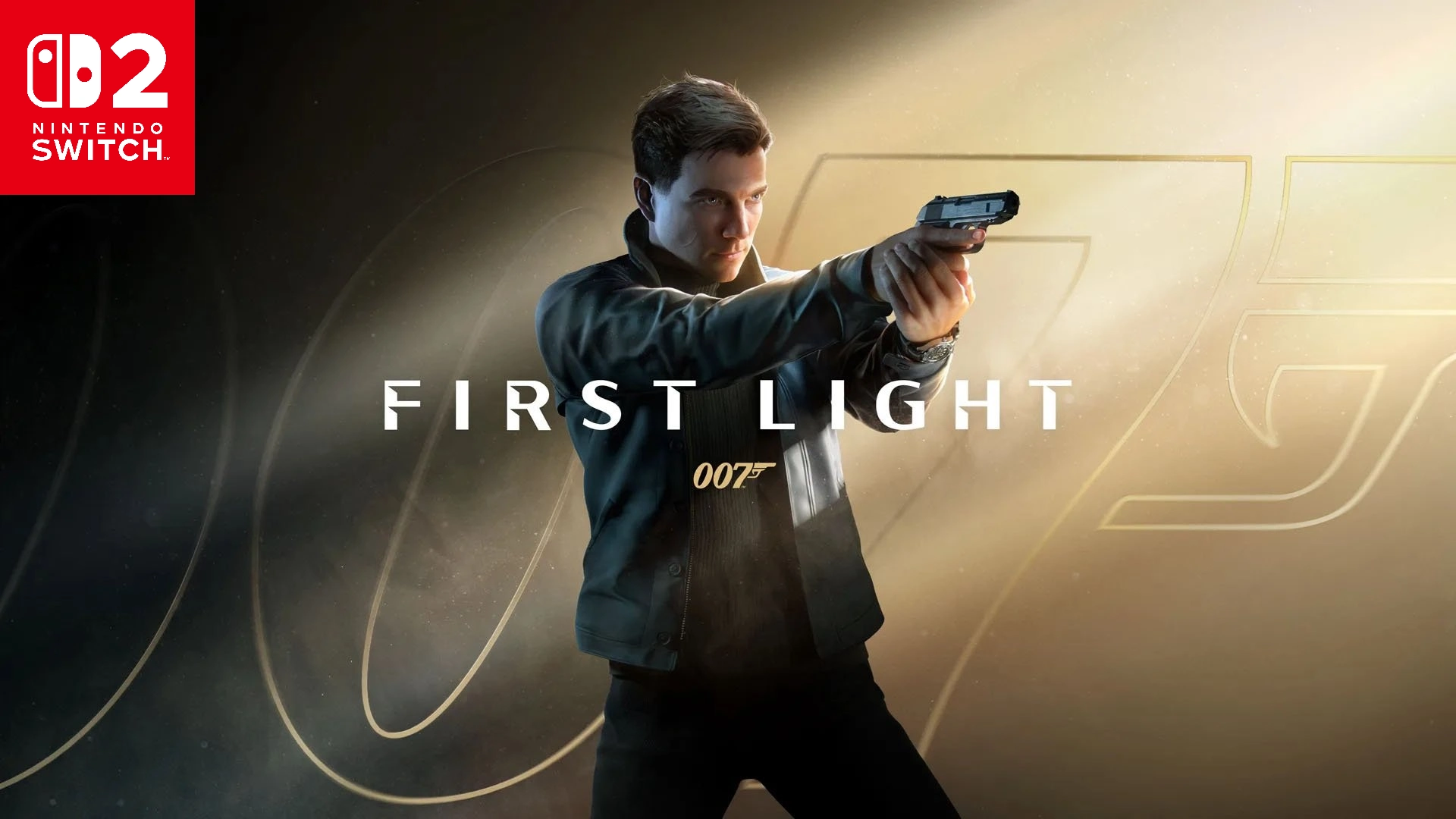
Summary:
007 First Light’s Nintendo Switch 2 launch has been pushed to March 2027 as IO Interactive chooses extra polish over rushing a port. The studio says this is the third delay for the Switch 2 build, and that the decision stems from a mix of developer fatigue, marketing timing and technical choices rather than an unexpected bug or catastrophic issue. IO is prioritizing a stable 30 FPS target and has opted to apply a newer, more efficient rendering approach called “Meshlets” to help the game run as closely as possible to higher-end platforms. That approach means some distant object detail and other non-essential visual elements may be dialed down, but core gameplay, NPC counts and the player-facing experience will remain intact.
007 First Light Switch 2 release timeline and what changed
The Switch 2 version of 007 First Light has moved several times since the game’s initial schedule, and the latest update sets the release window to March 2027. Originally the title aimed to launch across platforms at the same time in 2026, but the Switch 2 build has seen a series of adjustments that pushed it out further than the PlayStation, Xbox and PC releases. IO Interactive made the announcement after showing progress at major events and weighing internal development capacity against marketing plans. For owners of the new Nintendo hardware, that means a longer wait, but IO says the extra time will be invested in performance tuning and fine-tuning so the port feels right on the handheld – if you want background on the system itself, check NintendoReporters’ dedicated Nintendo Switch 2 hub for context and updates.
Why the team chose another delay
The studio has explained that the delay was not caused by a single technical showstopper but rather by a combination of factors – a development team that had been pushing hard, requests from the marketing side and the adoption of new technical solutions that require extra polishing. IO framed the decision as one made for players, noting the team needed a short breather and time to apply performance fixes and final tweaks. Public-facing updates and on-the-ground demos at events like Gamescom and Tokyo Game Show helped the developer gauge progress and gave clarity that more refinement was necessary. That transparency is useful for fans who want reasonable expectations rather than repeated surprises, and it’s a welcome sign that IO is prioritizing quality over haste.
Performance priorities – why 30 FPS matters here
IO has made hitting a stable 30 frames per second the highest priority for the Switch 2 version, explicitly noting attempts to experiment with variable frame rates for cinematics didn’t yield reliable results. Why commit to 30 FPS? For a game that relies on cinematic presentation and precise timing, consistent performance often delivers a smoother-feeling experience than fluctuating frame rates or jarring drops. Stability reduces input lag and keeps animations, enemy behavior and camera work predictable, which is especially important on a platform where players might switch between docked and handheld modes. The developer’s stance mirrors decisions other teams have made when targeting lower-powered hardware while keeping visual fidelity close to the higher-end builds.
What failing to reach higher frame rates would have meant
Pursuing higher targets like 60 FPS can force radical cutbacks in visual systems or gameplay density on less powerful hardware. IO specifically said it avoided compromises such as reducing NPC or enemy counts, because those changes would alter the feel of missions and the intended pacing. Instead of stripping content, the team tested technical optimizations and quality trade-offs that would keep the game intact while improving run-time performance. For Switch 2 owners that means you should expect faithful gameplay and mission structure, even if some distant object detail or background asset quality is slightly reduced to preserve the core experience.
Meshlets and the technical path chosen
One of the key steps IO has taken is implementing a rendering technique referred to as Meshlets for the Switch 2 build. Meshlets are a more efficient way to feed geometry to the GPU and can reduce CPU-GPU overhead in certain rendering setups, which in turn helps games maintain frame-rate stability. IO has said applying this technique is one reason development is taking longer, since integrating and tuning new rendering pipelines requires careful testing and adjustments across countless scenes. The trade-off is that Meshlets can help avoid larger, more visible compromises – like removing enemies or major gameplay elements – by squeezing better performance from the existing asset set and engine systems.
Gameplay preserved – what IO won’t change
IO has been clear about one line it won’t cross: gameplay itself. Rather than lowering enemy or NPC counts, the team chose to reduce details in areas players are unlikely to notice, for example distant object quality or background model fidelity. Ray tracing and other high-end effects used on PC may be absent on Switch 2, which frees up performance headroom to keep gameplay elements consistent. That means mission encounters, enemy placements and core mechanics should feel the same as on PC or consoles. For many players that’s more important than a handful of visual concessions, and IO’s approach aims to deliver the same feeling of engagement and spectacle without sacrificing the design the team intended.
How these compromises show up during play
Expect the most visible differences to be subtle background changes rather than anything that affects how you play. Objects at a distance may appear at slightly lower resolution or simplified LODs, shadows and reflections may be less detailed, and some advanced lighting effects present on PC might be disabled or simulated differently. Those are all conscious choices meant to balance memory limitations and processing budgets on Switch 2 without touching the elements players interact with directly. If you’ve played ports on other Nintendo hardware, you’ll know these kinds of trade-offs are common – the goal is to preserve the scenes, characters and gameplay moments that matter most.
What Switch 2 owners should expect next
With March 2027 set as the target, fans should watch for IO’s follow-up updates and any official date announcements. The studio hinted the porting work is close to the final phase, focusing now on performance and fine-tuning. That suggests we might see more hands-on demos or developer notes ahead of release showing concrete improvements. For Switch 2 owners who want to track broader Nintendo news around releases and timing, NintendoReporters maintains a Nintendo News feed to follow related updates. Patience will be needed if you prefer a polished, stable experience over an earlier but rougher launch.
Developer transparency and community reaction
Delays are never fun, but IO’s open explanation has cooled some of the immediate speculation. By explaining both human factors – the team needed a breather – and technical choices like adopting Meshlets, IO has given fans a clearer picture of the trade-offs involved. Community reactions are mixed, as you might expect – some players prefer a later, better launch while others are frustrated by another postponement. Showing work at Gamescom and Tokyo Game Show helped demonstrate tangible progress, which can reassure players that the delay is producing visible results. For those following the game’s journey closely, the steady flow of developer commentary and event demos will be the best barometer of readiness heading into March 2027.
Conclusion
IO Interactive’s decision to delay 007 First Light on Switch 2 until March 2027 reflects a choice to prioritize stability and player-facing fidelity over a rushed release. Targeting a steady 30 FPS and adopting Meshlets should help preserve the game’s design and mission density while allowing sensible visual compromises where they won’t impact gameplay. If you own a Switch 2, expect a version tuned to keep the core Bond experience intact, even if some distant object detail and high-end effects won’t match the PC build. Keep an eye on official updates for the exact March date, and follow NintendoReporters for ongoing coverage and context as the port nears completion.
FAQs
- Why was the Switch 2 version delayed again?
- IO cited a combination of developer workload, marketing timing and the need to integrate and polish new technical solutions like Meshlets to ensure the port meets quality expectations.
- What frame rate is the Switch 2 build targeting?
- The team is prioritizing a stable 30 FPS for the Switch 2 version to ensure consistent gameplay and fewer performance spikes.
- Will gameplay be different on Switch 2?
- No – IO says core gameplay, enemy and NPC counts will remain the same; visual compromises are focused on distant object quality and non-essential background details.
- What are Meshlets and why do they matter?
- Meshlets are an efficiency-focused rendering approach IO is applying to improve how geometry is handled, which helps with performance and is one reason the port needs extra time to tune.
- When will the exact Switch 2 release date be announced?
- IO has set March 2027 as the release window and said the exact day will be communicated later; watch official channels and NintendoReporters for updates.
Sources
- 007 First Light’s Next Step: Switch 2 and New Stories, Inven Global, September 17, 2026
- 007 First Light was delayed on Switch 2 for a third time to let players experience it ‘as fully as possible’, IO says, Video Games Chronicle, September 21, 2026
- 007 First Light for Switch 2 delayed to March 2027, Gematsu, September 15, 2026
- 007 First Light dev on why the Nintendo Switch 2 version was delayed, frame rate talk, using new rendering technique for the system, NintendoEverything, September 20, 2026