














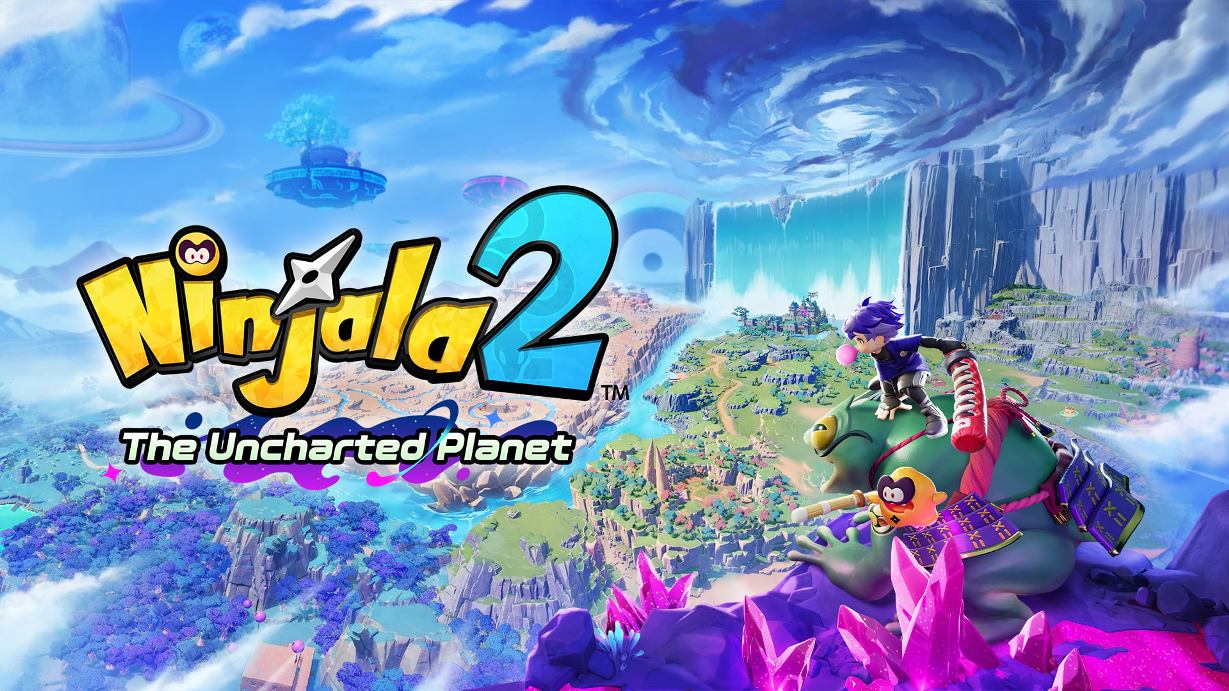
Summary:
Ninjala 2 has taken a surprising but carefully reasoned turn: the sequel moves away from competitive PvP toward a story-driven, open-world PvE experience and removes the gacha mechanics that defined the first game. The shift reflects direct feedback from players, the franchise’s multimedia growth, and GungHo’s aim to broaden the IP while keeping the high-speed Ninja-Gum action fans love. Developers Motoki Kaneda and Naoki Izumi told Famitsu that many players asked for cooperative, relaxed play and deeper world-building, so Ninjala 2 will focus on exploration, co-op rooms, and single-player storytelling while launching as a single-purchase game. For players worried about monetization, this means a clearer buy-to-play model instead of randomized loot systems, and for longtime fans, an evolution that aims to keep the series’ identity intact.
What changed in Ninjala 2 and why
GungHo took a bold approach when reimagining Ninjala 2, shifting the franchise from a free-to-play PvP battler toward an open-world PvE adventure that still keeps the core Ninja-Gum action. The change came after years of live-service updates to the original Ninjala and steady engagement with the community. Players kept asking for more ways to play together without the pressure of ranked battles and for richer solo experiences that expand the game’s lore. Rather than strip away what made the first game fun, the team leaned into those strengths – movement, inventive gum-based mechanics, and colorful character design – and rebuilt the experience around exploration and cooperative play. That trade-off aims to attract both the PvP crowd and players who prefer narrative, quests, and teamwork.
Developers’ explanation from the Famitsu interview
In a recent interview with Famitsu, producer Motoki Kaneda and director Naoki Izumi laid out the practical and player-driven reasons for the genre shift. Kaneda noted that the original Ninjala evolved through constant updates – adding modes like tag, soccer, and visual lobbies – and that multimedia efforts, including an anime, enriched the world enough to support a story-focused sequel. The second driver was user survey data: many players preferred cooperative sessions with friends or wanted to explore the setting at their own pace. Izumi added that early social feedback welcomed the open-world direction, even from long-term fans. Taken together, those insights convinced the team that PvE exploration would be a natural, player-friendly evolution for the IP.
Gacha removed – what that means for players
One of the clearest takeaways from the development notes is that gacha-style monetization will not return in Ninjala 2. Kaneda confirmed the removal and said the sequel will use a basic package model, meaning players get access to everything with a single purchase rather than relying on randomized microtransactions. This shift changes the player experience in several practical ways: progression becomes less dependent on luck, cosmetic or item acquisition can be more transparent and fair, and the community avoids the frustration that comes with pay-to-win or heavy RNG systems. For many players, especially those who left the original because of aggressive monetization, this is welcome news and makes Ninjala 2 feel more like a traditional console release.
Buy-to-play approach and pricing expectations
Switching to a single-purchase model doesn’t automatically mean no post-launch monetization, but it does set player expectations differently. The developers framed Ninjala 2 as a package you buy once to access the base game, and that foundation makes optional DLC, expansions, or purely cosmetic monetization more palatable if handled transparently. For players, that suggests clearer cost-to-content relationships and fewer surprises. It also aligns well with Nintendo system norms, especially on Nintendo Switch 2, where packaged releases are common and customers often expect complete, polished experiences. Ultimately, the hope is to keep monetization fair while funding ongoing support without reverting to gacha mechanics.
How open-world PvE keeps Ninjala’s signature action
Changing genres can sound risky, but the team has emphasized that the signature mechanics – wall runs, aerial gum tricks, and fast traversal – remain central. In the open-world setting, those systems get new contexts: players can use gum-based gadgets to traverse vertical zones, craft movement tools, and chain acrobatic combos while exploring. The map design and mission structure will be built to showcase mobility rather than slow players down, and you can expect traversal challenges, environmental puzzles, and combat scenarios designed around the series’ nimble feel. By putting those mechanics into a world with quests and NPCs, GungHo aims to preserve the adrenaline while adding variety and depth that PvE systems allow.
Multiplayer focus – co-op, rooms and stress-free play
One reason for the PvE direction was clear player demand for social, low-stress multiplayer. Rather than focusing on competitive ladder matches, Ninjala 2 will prioritize cooperative experiences and social rooms where friends can play together casually. That means more content designed for groups, such as four-player missions, shared exploration, and objectives that reward teamwork. The developers pointed out that many players loved hanging out in rooms and wanted meaningful co-op content, so expect mechanics that encourage collaboration without forcing you into sweaty competitive modes. This shift can help the game attract players who prefer couch-style or laid-back online play, while still leaving room for optional competitive modes down the line if the team chooses to add them.
Platform and performance – what Switch 2 brings
Ninjala 2 is billed as a Nintendo Switch 2 exclusive for its first installment, which gives the team more headroom for performance, visuals, and world scale. On newer hardware, developers can push faster loading, smoother frame pacing, and richer environments without the same constraints as the original hardware. That doesn’t guarantee perfection, but it does mean the game’s vertical movement and wide vistas should feel more fluid, and features like local co-op or more complex physics can run with fewer compromises. For players, that should translate to a smoother, more immersive open-world experience, and for fans of the original, the same nimble combat is expected to feel even sharper on the new platform.
Release plan and what to watch for
GungHo announced at the Nintendo Direct that Ninjala 2: The Uncharted Planet will arrive in Spring 2027 as the first part of a two-part saga. The staggered release model suggests the team plans ongoing support and content drops, but with clearer ownership thanks to the single-purchase approach. Keep an eye on demos and presentations – early hands-on impressions from shows like Anime Expo 2026 already offered the first peek at the demo – and watch developer updates for details about post-launch modes, co-op features, and any future competitive additions. If you follow NintendoReporters, we will track the official updates and hands-on impressions as they appear, so you can decide whether to jump in at launch or wait for extra content.
Conclusion
Ninjala 2’s move to open-world PvE and the removal of gacha mechanics is a clear signal that GungHo is responding to player feedback and aiming to grow the IP in a friendlier, more accessible direction. By keeping the core Ninja-Gum action while adding exploration, co-op play, and a buy-to-play model, the sequel hopes to satisfy both returning fans and newcomers who want a single purchase, polished experience on Nintendo Switch 2. Whether you loved the original for its PvP or left because of monetization, Ninjala 2 looks designed to offer something closer to a classic console release with modern multiplayer sensibilities.
FAQs
- Will Ninjala 2 include the same characters as the first game?
- Developers have indicated the world and story are expanded, and while familiar faces will appear, expect new characters and lore that fit the open-world narrative rather than a straight roster copy.
- Is Ninjala 2 still multiplayer focused?
- Yes, but the emphasis shifts to co-op and social rooms rather than primarily competitive matches, supporting up to four players in shared missions and exploration.
- Does removing gacha mean there will be no microtransactions?
- Removing gacha removes randomized systems, but developers may still sell optional cosmetic DLC or expansions. The base game is intended as a single-purchase experience.
- When does Ninjala 2 release and on which platform?
- The first part, Ninjala 2: The Uncharted Planet, is slated for Spring 2027 and launches on Nintendo Switch 2.
- Will PvP return in future updates?
- The team has left options open. The current focus is PvE, but competitive modes could return later if the developers add them in an update or a second installment.
Sources
- Ninjala 2 devs explain why it’s an open-world action game, no gacha-style elements, Nintendo Everything, September 18, 2026
- ユーザー要望でオープンワールドPvE化した『ニンジャラ2 未知なる惑星』ガチャ廃止や魅力的なアバター、爽快なニンジャガムアクションとストレスフリーなマルチプレイへの並々ならぬこだわり〖インタビュー〗, Famitsu, August 7, 2026
- Introducing titles from Nintendo partners showcased in Nintendo Direct 9 June 2026, Nintendo, June 10, 2026
- Ninjala Returns With An Open-World Sequel Exclusive To Switch 2 In 2027, Nintendo Life, June 11, 2026