











Summary:
Nobuo Uematsu’s recent comments about Final Fantasy 7’s soundtrack surprised a lot of fans, but they make sense once you hear his reasoning. In a passage from the recently published book Nobuo Uematsu: On The Record, the veteran composer explains that many tracks were intentionally written to be more restrained – even “boring” by his own comparison to earlier entries – so they would not pull focus from the game’s new, cinematic visuals. That choice reflected a shift in how music supported storytelling as developers moved from chiptune-driven storytelling on the Famicom and Super Famicom to the PlayStation era’s full 3D presentation. For NintendoReporters readers curious about what changed, why it mattered, and how the Remake finale ties into this approach, the following sections break down Uematsu’s argument, the tracks that still stand out, fan reaction, and why the Remake trilogy’s last chapter will likely honor that restrained, cinematic style.
What Nobuo Uematsu actually said about Final Fantasy 7’s soundtrack
Nobuo Uematsu opened up in an excerpt from Nobuo Uematsu: On The Record about why he views most of Final Fantasy 7’s music as comparatively “boring.” He admits that aside from standout numbers like One-Winged Angel, a lot of the game’s score was deliberately toned down. That is not a confession of failure so much as a design decision: with the leap in visual fidelity on PlayStation hardware, Uematsu judged that highly memorable, attention-grabbing melodies would compete with the story and cutscenes rather than complement them. Saying the music was “boring” is his blunt way of explaining that he prioritized mood and atmosphere over singable hooks in many tracks. For readers who grew up with the game’s memorable themes, this comment helps reframe the soundtrack as a tool for scene-setting rather than a parade of standalone earworms, and it emphasizes how technical and artistic changes in games force composers to rethink their role.
The reasoning behind calling tracks ‘boring’
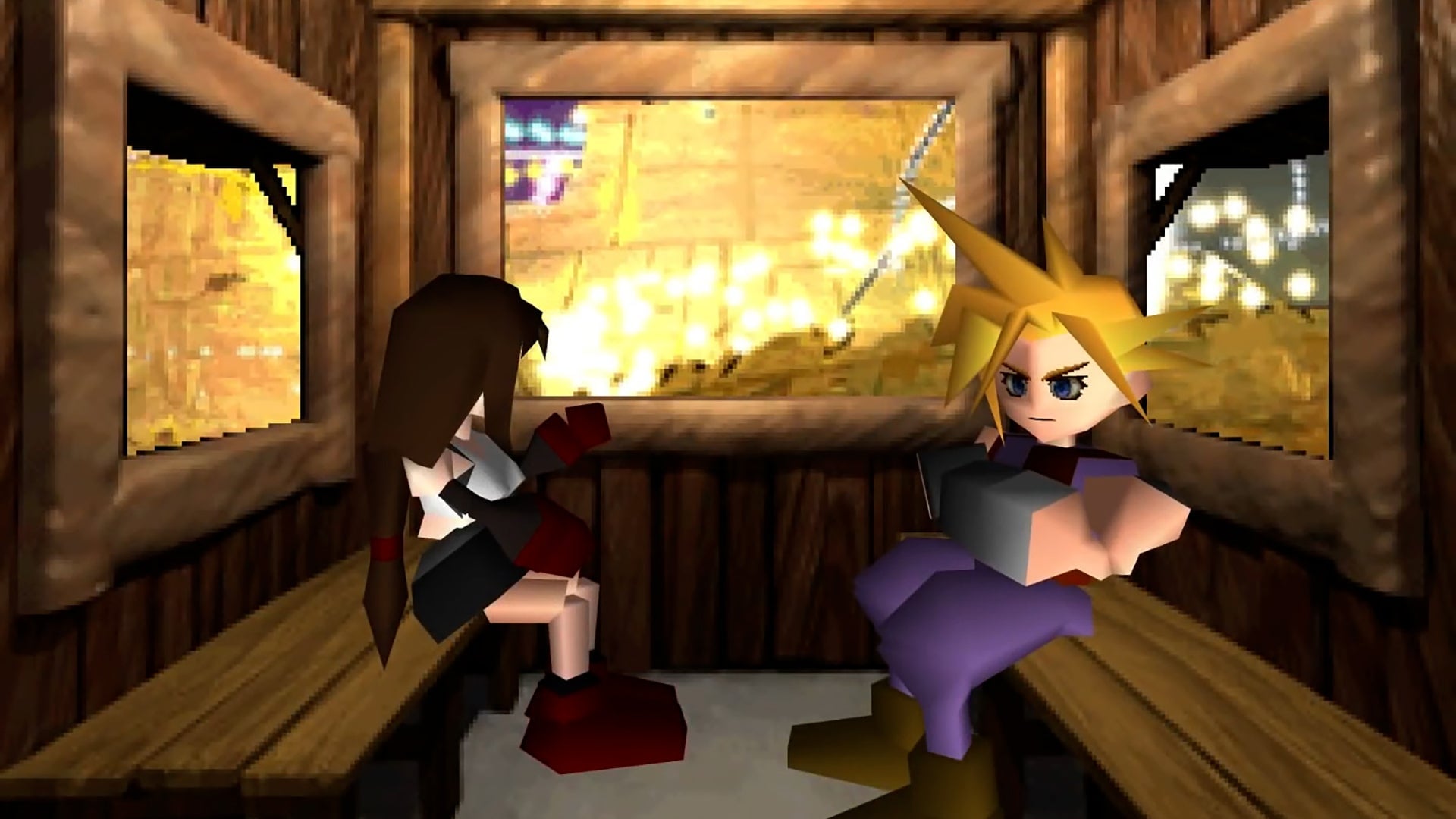
When Uematsu uses the word boring he isn’t insulting the music so much as describing an intentional aesthetic. In practice that meant composing motifs and ambient textures that support a scene instead of insisting you listen closely. As visuals became more cinematic, cutscenes started carrying storytelling weight that earlier systems could only hint at; composers therefore had to avoid pulling players out of the moment with an overtly catchy melody. Uematsu explains that his work on Famicom and Super Famicom titles often needed strong, hummable themes to push narrative and emotion forward because the graphics were simpler. By the time Final Fantasy 7 arrived, the game itself could convey mood, character expressions, and setting visually, so the music’s job shifted to subtly elevating rather than defining the experience. This approach helps explain why certain FF7 pieces feel more like film underscore – intentionally modest, but incredibly effective for the scene.
How the jump to 3D visuals changed soundtrack design
Moving from chiptune-era hardware into the PlayStation generation changed almost everything about game presentation, and music had to adapt. On older consoles the soundtrack often served dual roles: it was a storytelling device and a memory anchor. Composers relied on compact, repeated melodies to convey place and emotion because sprites and text were limited. When developers gained the ability to show fully realized environments and cinematic cutscenes, the score’s role shifted toward supporting those images – like a film score – without stealing attention. Nobuo Uematsu recognized that and adjusted his writing accordingly for Final Fantasy 7, favoring textures, mood pieces, and restrained motifs that blended with the on-screen action. The result is a soundtrack that, while less melody-forward in many places, often nails the tone and makes the scenes land harder because the music pushes from behind rather than shouting from the front.
The fan reaction and critical perspective
Fans and critics reacted in different ways. Many longtime listeners still praise tracks such as One-Winged Angel, Aerith’s Theme, and Cosmo Canyon for their melodic power and emotional punch. At the same time, some players who grew up humming those melodies took Uematsu’s comment as a challenge to reassess the soundtrack’s quieter moments. Critics tend to treat the soundtrack as an early example of hybrid design: part old-school motif-driven scoring and part modern, cinematic underscore. The debate is healthy because it shows how subjective musical taste intersects with design intent. Some prefer music that demands attention; others value music that supports immersion. Uematsu’s frankness invites a fresher appreciation of the game’s quieter pieces and why they work so well when paired with Final Fantasy 7’s visual storytelling.
The tracks that still shine and why
Even within Uematsu’s description, several FF7 tracks remain unmistakable and beloved. One-Winged Angel stands out as an exceptional case – it’s theatrical, memorable, and deliberately intrusive in the best possible way. But pieces like Aerith’s Theme and Those Who Fight show that Uematsu still knew how to create motifs that land emotionally while fitting the new design philosophy. The difference is balance: where older entries might have had more constant, hook-driven themes, FF7 uses melody as punctuation. Ambient tracks such as Mako Reactor or the opening town pieces lean into atmosphere, but they also contain melodic elements that reward close listening. That subtlety rewards repeat plays; what might sound background noise the first time often reveals melodic gems once you’re listening for them, which is exactly the kind of layered design Uematsu describes in his remarks.
Uematsu’s career context and how his approach evolved
Looking at Uematsu’s career helps make sense of the shift. He cut his teeth composing for the Famicom and Super Famicom, where music had to carry more narrative weight. As technology advanced, so did production values and the sound team’s toolbox. Uematsu’s own reflections show an artist consciously adapting: he didn’t abandon melody, but he reimagined it for a medium that had grown more cinematic. Later projects and arrangements would revisit and expand FF7’s themes in orchestral forms, proving the melodies were always there; they were just used differently in-game. Understanding that evolution makes the “boring” phrasing less provocative and more informative. It reveals a composer concerned with the overall experience, willing to step back when the visuals needed center stage, and still capable of writing unforgettable themes when the moment called for them.
What this means for the Remake trilogy and Revelation
The Remake series has brought FF7’s music back into the spotlight, often reinterpreting Uematsu’s original work with full orchestration and updated arrangements. That makes sense: modern remakes can afford to rework and amplify original themes, highlighting melodies that were purposely low-key in 1997. For the final chapter of the Remake trilogy, fans should expect music that honors the original’s dramatic restraint while giving key moments fuller, more cinematic treatment. The recent confirmations around the Remake finale’s release schedule underline that this is a big moment for the series, and composers are likely to use both subtle underscore and powerful melodic payoff strategically. That dual approach mirrors Uematsu’s own thinking – music that supports most scenes, but asserts itself when the narrative needs a musical lift.
Conclusion
Nobuo Uematsu’s candid remark about Final Fantasy 7’s music being “boring” is best understood as a design choice rather than a criticism of the soundtrack’s quality. He adapted his craft for a changing medium, prioritizing mood and unobtrusive support for cinematic visuals. Fans who love the game’s melodies still have plenty to celebrate, and the Remake trilogy’s final chapter will likely blend subtle underscore with powerful musical climaxes. NintendoReporters will continue to follow how the Remake’s soundtrack is presented, especially on Nintendo Switch 2, and we’ll highlight moments where music steps forward to amplify the story.
FAQs
- Did Nobuo Uematsu really call the Final Fantasy 7 soundtrack boring?
- Yes – he described many tracks as intentionally more restrained compared to earlier entries, explaining it was a creative choice tied to the game’s new cinematic presentation.
- Does that mean the music is bad?
- No – Uematsu’s point is that the music was designed to support visuals and story, not to dominate the player’s attention; many fans still consider several FF7 tracks iconic.
- Which FF7 tracks are still considered the best?
- Standouts include One-Winged Angel, Aerith’s Theme, Those Who Fight, and Cosmo Canyon, though quieter ambient pieces are also highly regarded for atmosphere.
- Will the Remake finale use the same restrained approach?
- The Remake series tends to reinterpret and expand original themes, so expect a mix of subtle underscore and bigger, orchestral moments at key narrative beats.
- Where can I play Final Fantasy VII Revelation on Nintendo hardware?
- Final Fantasy VII Revelation is scheduled for release on April 8, 2027 for Nintendo Switch 2; check pre-order pages and official stores for details.
Sources
- Final Fantasy 7’s beloved soundtrack is mostly “boring,” Nobuo Uematsu says, GamesRadar+, October 7, 2026
- FINAL FANTASY VII REVELATION Now Available for Pre-order on Nintendo eShop, Nintendo News, September 15, 2026
- Final Fantasy VII Revelation Drops April 8, 2027, Game Informer, September 3, 2026