














Summary:
BARDA: Backpack Roguelike will launch digitally for Nintendo Switch on July 17, 2026, bringing Mudita Games’ unusual mixture of inventory organisation, roguelite progression and mountain climbing to Nintendo’s hybrid console. Instead of relying on an oversized sword or a conveniently placed magical weapon, players must carefully organise a limited backpack and decide which supplies deserve to remain inside it. Every choice matters because useful tools are not the only things competing for space. Hunger, fatigue and madness can also enter the backpack, turning physical and mental pressure into obstacles that players must manage directly.
The expedition follows a determined climber attempting to reach the summit of an ever-changing mountain. The goal is deeply personal: scatter his late grandfather’s ashes at the top and fulfil his final wish. Reaching that destination will require repeated attempts, thoughtful preparation and a willingness to improvise whenever the ideal item is unavailable. Challenges can be overcome by dragging a suitable object onto them, although bare hands and courage may occasionally have to fill the gap.
Failed expeditions still contribute to future progress. Completed missions unlock additional possibilities through the Explorer’s Tree, gradually expanding the options available during later climbs. With its compact interactions, strategic decisions and run-based structure, BARDA appears naturally suited to portable play. Its Nintendo Switch release gives players another chance to discover whether they can keep a backpack organised while the mountain seems determined to fill it with trouble.
BARDA: Backpack Roguelike Reaches Nintendo Switch on July 17
BARDA: Backpack Roguelike has secured a July 17, 2026 release date for Nintendo Switch. Developed and published by Mudita Games, the adventure trades the familiar dungeon corridors of many roguelikes for an unpredictable mountain expedition. The destination may be visible in the distance, but reaching it is another matter entirely. Players must gather supplies, respond to changing conditions and repeatedly make difficult decisions about what they can afford to carry. The game previously arrived for PC, while its upcoming Switch debut opens the climb to players who prefer taking their strategic adventures on the move. That portability feels especially fitting for a game built around travelling lightly, preparing carefully and discovering that one tiny backpack can create an impressive amount of stress.

Packing a Backpack Becomes the Key to Surviving the Mountain
Inventory management is not a secondary menu tucked away between encounters in BARDA. It forms the heart of the entire expedition. Items occupy precious room inside the backpack, forcing players to consider their shapes, usefulness and potential value before continuing upward. A tool that looks unnecessary in one area could become the perfect answer to a challenge moments later, while an appealing piece of equipment may simply consume more space than it deserves. The result is a constant balancing act between preparation and practicality. You cannot carry everything, no matter how politely you ask the backpack to stretch. Every object must justify its position, and every discarded item creates the uncomfortable possibility that it will be exactly what the next obstacle requires.
Every Item Must Earn Its Place During the Expedition
The limited inventory encourages players to evaluate supplies rather than collect them without thought. Gathering another object is not automatically an improvement when the backpack is already crowded with food, equipment and other useful resources. Players must weigh immediate needs against possible future problems, turning each discovery into a small strategic puzzle. Is it safer to keep an item that solves a known challenge, or should that space be reserved for something more flexible? These choices give ordinary objects greater importance because carrying the wrong combination can shape the remainder of a run. A neatly organised bag becomes more than a satisfying arrangement of shapes. It is a survival plan, a toolbox and occasionally a warning that you have packed far too much confidence and nowhere near enough practical equipment.
Hunger, Fatigue and Madness Physically Crowd the Inventory
BARDA adds a clever complication by allowing negative conditions to occupy backpack space. Hunger, fatigue and madness are not represented solely by meters sitting safely at the edge of the screen. They directly interfere with the player’s available inventory, making difficult circumstances physically harder to ignore. As these problems accumulate, the backpack becomes more crowded and useful supplies are forced into an increasingly uncomfortable puzzle. This design connects the character’s condition to the player’s decision-making in an immediate way. Fatigue does not merely reduce an abstract statistic. It becomes something that gets in the way, steals room and makes an already demanding climb more awkward. Anyone who has packed a suitcase five minutes before leaving home may recognise the sensation, although ordinary luggage rarely contains a growing block of existential dread.
Challenges Reward the Right Tool and a Little Improvisation
Progressing through the mountain involves encountering challenges that can be solved with objects carried inside the backpack. Players drag and drop a suitable item onto the problem, using their preparation to clear the way and advance to the next zone. The interaction sounds simple, but choosing what to carry gives each solution strategic weight. A well-packed bag provides several possible answers, while a poorly prepared climber may arrive with an impressive collection of objects that solve absolutely nothing. The game does not immediately end when the perfect tool is missing, however. Players can sometimes rely on their own hands and a little courage instead. That flexibility should create memorable moments where careful planning gives way to desperate improvisation, proving that stubbornness can occasionally be a valid piece of climbing equipment.
An Ever-Changing Mountain Keeps Every Attempt Unpredictable
The mountain changes between attempts, preventing players from treating the expedition as a fixed route that can simply be memorised. Each run demands renewed attention as challenges, resources and opportunities create different combinations. The shifting structure supports the roguelite format by making repeated climbs feel like fresh expeditions rather than rehearsals of the same sequence. Familiar mechanics may help players make smarter decisions, but experience cannot remove every surprise waiting further up the trail. This uncertainty also strengthens the importance of versatile packing. Preparing for one exact path would be easy compared with choosing supplies for a mountain that refuses to reveal its plans. Players must adapt as conditions develop, learning when to preserve resources, when to take a risk and when to accept that the backpack has once again become a badly organised cupboard.
The Explorer’s Tree Provides Progress Between Difficult Runs
Not every expedition will end at the summit, but unsuccessful climbs can still contribute to long-term progress. By completing missions, players unlock additional options through the Explorer’s Tree. These improvements help shape later attempts and provide a sense of development even when the mountain wins the current round. The system encourages experimentation because a failed approach can still produce knowledge, unlocks or opportunities that make future runs more promising. Roguelite progression works best when defeat feels meaningful rather than purely punitive, and the Explorer’s Tree appears designed to maintain that momentum. Each return to the base is another chance to reassess previous decisions and prepare a stronger strategy. The climber may be starting at the bottom again, but the player is carrying experience that does not require a single square of backpack space.
A Personal Promise Gives the Climb Emotional Weight
The expedition is driven by more than curiosity or the promise of treasure. The central objective is to reach the summit and scatter the ashes of the protagonist’s deceased grandfather. That personal responsibility gives every attempt an emotional purpose, transforming the mountain from a collection of challenges into the final barrier between the climber and a meaningful farewell. Repeated failure therefore carries a different tone than it might in a traditional treasure-hunting adventure. The player is not merely chasing a better score or another reward. They are trying to fulfil a loved one’s final wish. This quieter motivation sits comfortably beside the strategic systems, giving the journey a human centre while the inventory mechanics provide the tension. The backpack may demand constant attention, but the reason for carrying it remains far more important than any individual object inside.
BARDA Offers an Unusual Alternative to Combat-Heavy Roguelikes
Many roguelikes build their excitement around rapid combat, increasingly powerful weapons and rooms filled with enemies. BARDA takes a different route by making preparation, organisation and resource management the main sources of tension. Combat and confrontation may still appear during the climb, but success depends heavily on choosing the right supplies and recognising how they can answer the problems ahead. That approach could appeal to players who enjoy strategic planning but do not necessarily want every run to become a frantic test of reflexes. It also gives the game a recognisable identity in a crowded genre. The most dangerous opponent may not be a towering monster but a badly packed bag, an awkwardly shaped item or a growing patch of fatigue that claims the one space you desperately needed. Sometimes organisation truly is the final boss.
The Nintendo Switch Version Arrives as a Digital Release
BARDA: Backpack Roguelike will be available as a digital Nintendo Switch release through the Nintendo eShop. The North American Nintendo Store lists the regular price as $8.99, although regional pricing may differ. The game is designed as a single-player experience, allowing players to tackle the mountain at their own pace without coordinating with a group or competing against other climbers. Its drag-and-drop interactions, run-based progression and emphasis on short-term decisions appear well matched to the Switch’s portable format. Players can attempt another stretch of the expedition during a short break or settle in for several consecutive climbs. Of course, a supposedly quick attempt can easily become one more run, followed by one more careful rearrangement, followed by the realisation that the summit still looks annoyingly far away.
The Launch Trailer Shows the Expedition in Motion
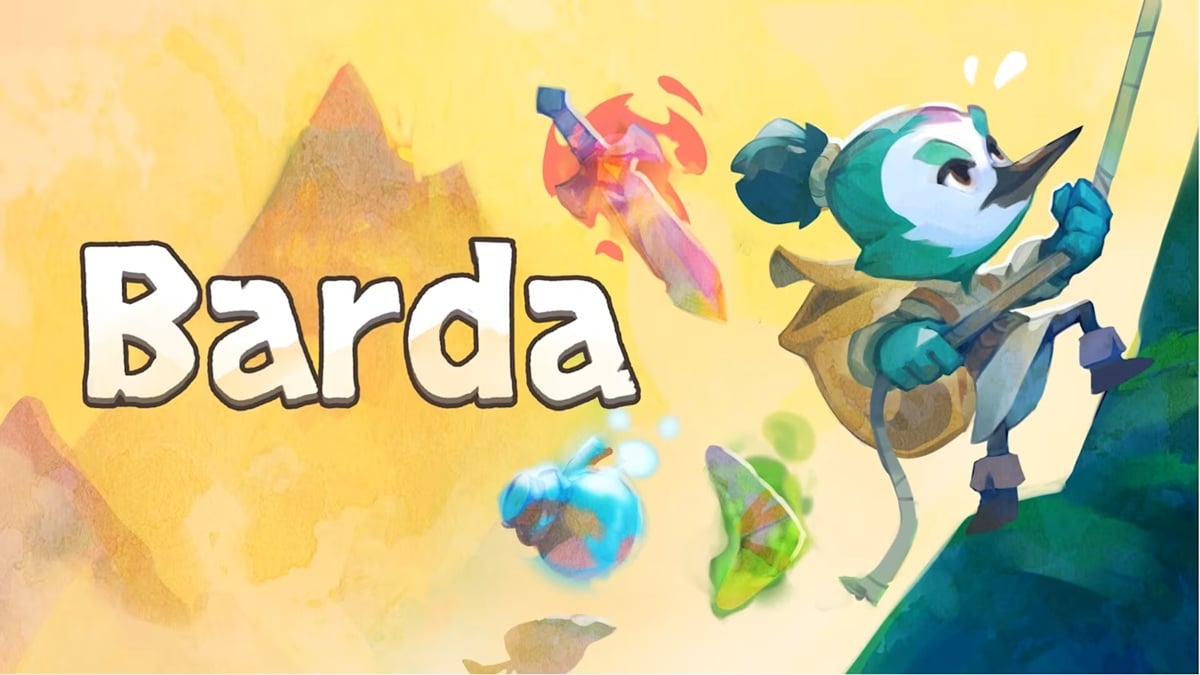
The latest trailer presents the core rhythm of gathering objects, arranging the backpack and pushing through an assortment of mountain challenges. It highlights how quickly the inventory can change as useful equipment competes with unwanted conditions for limited room. The footage also reinforces the game’s hand-drawn presentation and its mixture of thoughtful planning, danger and occasional absurdity. Rather than treating the backpack as a passive storage screen, the trailer shows it functioning as the expedition’s central battlefield. Every adjustment can prepare the climber for what comes next or quietly create a problem that will only become obvious later. With the Nintendo Switch release scheduled for July 17, players will soon be able to discover whether their organisational instincts are strong enough to carry a determined explorer all the way to the summit.
Conclusion
BARDA: Backpack Roguelike brings an inventive style of strategic adventure to Nintendo Switch on July 17, 2026. Its central idea is easy to understand but full of difficult consequences: everything affecting the climber must fit into a limited backpack. Tools and resources compete with hunger, fatigue and madness, while the changing mountain continually tests whether the player prepared for the right problems. Repeated attempts gradually unlock more possibilities through the Explorer’s Tree, giving each expedition a chance to support the next. Beneath those systems sits a personal story about fulfilling a grandfather’s final wish. That combination of emotional purpose, tactical packing and unpredictable progression could make BARDA a memorable choice for Switch owners who enjoy roguelites that value careful decisions as much as quick reactions.
FAQs
- When will BARDA: Backpack Roguelike launch on Nintendo Switch?
- BARDA: Backpack Roguelike will be released digitally for Nintendo Switch on July 17, 2026.
- Who developed BARDA: Backpack Roguelike?
- BARDA was developed and published by independent studio Mudita Games.
- How does the backpack system work in BARDA?
- Players collect and arrange items inside a limited backpack. Useful equipment occupies space, while negative conditions such as hunger, fatigue and madness can also crowd the inventory.
- What is the main objective in BARDA?
- The player must repeatedly climb an ever-changing mountain and eventually reach its summit to scatter the protagonist’s grandfather’s ashes.
- Does BARDA include progression between runs?
- Yes. Completing missions unlocks additional options through the Explorer’s Tree, providing more possibilities for later attempts.
Sources
- BARDA: Backpack Roguelike for Nintendo Switch, Nintendo, July 2026
- BARDA, Nintendo UK, July 16, 2026
- BARDA: Backpack Roguelike Launches on Nintendo Switch on July 17, Games Press, July 15, 2026
- Barda: Backpack Roguelike Out on Nintendo Switch This Week, New Trailer, Nintendo Everything, July 15, 2026
- BARDA: Backpack Roguelike, Steam, June 2, 2026