














Summary:
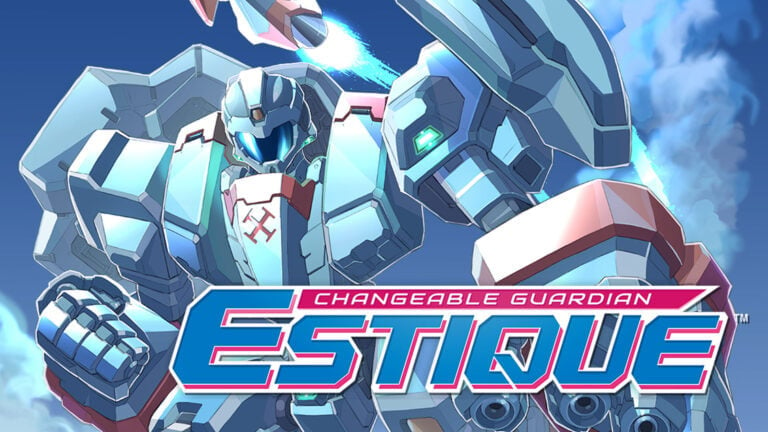
Changeable Guardian ESTIQUE has made the jump from genuine NES and Famicom hardware to Nintendo Switch, giving modern players a much easier way to experience Cat Hui Trading’s unusual 8-bit shoot ’em up. Published on Nintendo Switch by AMATA Games, the game launched through the Nintendo eShop on August 6, 2026. Rather than simply borrowing the visual language of an old Nintendo Entertainment System game, ESTIQUE has a more unusual history. The original was actually developed as a new NES and Famicom release in the 21st century, making this modern edition a port of a real cartridge-based game rather than a retro-styled imitation. Players control the transformable ESTIQUE across six side-scrolling stages while switching between Fighter Form and Robot Form depending on the situation. Each configuration has distinct advantages, turning transformation into a practical part of survival instead of a purely cosmetic trick. The Nintendo Switch edition also includes the Japanese and North American versions, which feature differences in their stories, alongside a Gallery Mode filled with printed materials and artwork. Add regenerating health, multiple equipment options and a scoring system built around the Super Weapon attack, and there’s considerably more happening beneath those chunky pixels than first impressions might suggest. Whether you’re comfortable weaving through bullet patterns or still learning which direction to dodge, ESTIQUE is designed to make its old-school action approachable without stripping away the strategy that keeps repeated runs interesting.
Changeable Guardian ESTIQUE launches on Nintendo Switch
Changeable Guardian ESTIQUE is now available on Nintendo Switch following its August 6, 2026 launch on the Nintendo eShop. Developed by Cat Hui Trading and published on modern platforms by AMATA Games, the side-scrolling shoot ’em up brings a particularly interesting slice of modern retro development to Nintendo’s hybrid system. At first glance, you could easily assume ESTIQUE is another contemporary game designed to resemble something from the late 1980s. That’s only half the story. Its pixel art, limited color palettes and unmistakably 8-bit presentation come from the fact that the original game was genuinely designed for Nintendo Entertainment System and Famicom hardware. The modern release preserves that identity while removing the need to own original hardware and a physical cartridge. For Switch owners with an appetite for shooters, retro releases or unusual projects that push classic hardware in unexpected directions, that’s a rather appealing combination.

A modern port of an unusually modern NES release
What separates Changeable Guardian ESTIQUE from many retro-inspired games is the route it took to get here. Cat Hui Trading originally developed the project as a new Nintendo Entertainment System and Famicom game, with the cartridge release arriving in December 2024. That means we’re not looking at a modern interpretation of what developers imagine an NES shooter might have been. ESTIQUE had to live within the practical boundaries of the hardware itself. Its sprites, scrolling environments, enemies and effects were created around technology that dates back several decades, despite the game itself being a recent creation. The Nintendo Switch edition therefore occupies a curious place between preservation and porting. You’re playing a recent game with the technical DNA of a vintage release. It’s a little like discovering somebody built a brand-new cassette player and then handed you the same recording digitally – the modern convenience doesn’t erase the unusual process that produced the original.
Both regional versions are preserved in one package
The modern edition includes both the Japanese and North American versions of Changeable Guardian ESTIQUE. That detail matters because the differences aren’t limited to changing a few lines of translated dialogue. The two releases feature different story elements, giving players an incentive to see what changes between them rather than treating one as a simple language alternative. Regional variations were hardly unusual during the NES and Famicom era, when localization could result in changed artwork, rewritten scenes, altered names and occasionally much larger differences. ESTIQUE deliberately taps into that history, despite being created decades later. Bringing both editions together on Nintendo Switch means players don’t have to hunt down separate cartridges or choose which one deserves their attention. You can approach them as two interpretations of the same adventure and compare how each version presents ESTIQUE, its pilots and the battle to save Earth. For anyone fascinated by regional game differences, that’s a charming extra layer.
Gallery Mode offers another look at ESTIQUE’s 8-bit origins
Gallery Mode expands the package beyond simply loading one of the two versions and heading into battle. It brings together printed materials and various visual assets connected to Changeable Guardian ESTIQUE, giving players an opportunity to examine artwork that can easily fly past when you’re busy avoiding incoming fire. That’s especially fitting for a project built around the idea of creating an authentic new 8-bit release. Physical games from the NES era weren’t experienced exclusively through what appeared on the television. Boxes, manuals, illustrations and promotional artwork all helped establish their worlds, particularly when cartridges had little room for elaborate cinematic storytelling. Gallery Mode recreates some of that broader experience in digital form. It’s a quieter companion to the frantic shooting itself and should be particularly interesting for players who enjoy the craft behind retro game production. After surviving a screen full of enemies, stopping to admire some artwork sounds almost suspiciously relaxing.
Transforming between Fighter Form and Robot Form drives the action
ESTIQUE’s defining gameplay mechanic is its ability to transform freely between Fighter Form and Robot Form. This isn’t a transformation sequence you activate once before forgetting about it. Switching forms is a central part of how you navigate stages, survive hazards and recover from damage. Fighter Form presents a smaller vertical target, which can make weaving through dangerous situations easier when enemy shots begin filling the screen. Robot Form behaves differently, including the ability to ignore terrain damage while offering stronger recovery characteristics. That creates a constant tactical question. Do you stay compact and mobile, or transform to take advantage of the robot’s defensive properties? The answer can change from one moment to the next. Good shoot ’em ups often give players a simple set of controls and then squeeze surprising amounts of decision-making from them. ESTIQUE follows that philosophy, placing much of its personality in knowing when to change rather than overwhelming you with dozens of commands.
Six stages take ESTIQUE across cities around the world
The adventure consists of six side-scrolling stages themed around cities from different parts of the world. That structure gives ESTIQUE room to vary its scenery while maintaining the straightforward rhythm that works so well for this type of shooter. You move forward, read enemy patterns, react to environmental obstacles and prepare for whatever the stage throws at you next. The changing locations also fit neatly with the game’s global invasion story, as the Van-De-Raus space pirates have seized major economic centers on Earth. There’s an enjoyably old-school directness to the setup. The planet is under attack, the villains have occupied strategically important cities and somebody needs to fly from one dangerous location to another while firing an unreasonable number of projectiles. No committee meeting required. Because the game is built around six defined stages instead of a sprawling campaign, improving your performance can become as important as simply reaching the ending. Familiarity gradually turns intimidating patterns into recognizable challenges.
Weapons, Super Weapons and regenerating health shape each run
Transformation is only part of ESTIQUE’s combat system. Players also need to make effective use of two equipment types and the game’s Super Weapon mechanic. The special attack is connected to rapid presses of the shot button and plays an important role in the scoring system, rewarding players who learn how to use their offensive tools efficiently rather than merely holding fire and hoping everything disappears. At the same time, ESTIQUE approaches survivability somewhat differently from many traditional shooters. Health can regenerate over time, creating opportunities to recover after taking damage instead of making every mistake permanently devastating. The design also moves away from the familiar cycle of collecting stacks of power-ups and then losing much of your strength after a death. That makes the experience less punishing for newcomers while preserving the challenge of enemy placement, movement and scoring. Beginners get some breathing room, while experienced players still have plenty of systems to optimize.
Mary and Kanon face the Van-De-Raus invasion in the year 2413
Behind all the transforming robots and flying projectiles is a suitably dramatic science-fiction setup. Changeable Guardian ESTIQUE takes place in the year 2413, when the space pirates known as the Van-De-Raus invade Earth and seize control of five major economic cities. By controlling those locations, the invaders effectively gain power over the global economy, leaving Earth in desperate need of outside assistance. That help arrives from the friendly planet Petelgeuse, which sends ESTIQUE and its pilots to confront the occupying forces. Ace pilots Mary and Kanon take control of the super-variable robot and head toward Earth, becoming humanity’s best chance of breaking the pirates’ grip. It’s exactly the sort of energetic science-fiction premise that feels at home in an 8-bit shooter: enormous stakes, colorful villains, heroic pilots and a transforming machine placed directly between Earth and disaster. Sometimes saving the global economy apparently requires fewer spreadsheets and significantly more laser fire.
Conclusion
Changeable Guardian ESTIQUE is an unusual addition to the Nintendo Switch library because its retro identity is more than an artistic choice. Cat Hui Trading created it as an actual NES and Famicom game before AMATA Games brought the experience to modern systems, allowing Switch players to enjoy that hardware-driven design without needing the original cartridge. The inclusion of the Japanese and North American versions, along with Gallery Mode, makes the modern release more than a bare port. More importantly, the game has a strong mechanical hook of its own. Switching between Fighter Form and Robot Form affects how you avoid danger, interact with terrain and recover, while the weapon and Super Weapon systems give experienced shooter fans additional mechanics to master. Regenerating health makes mistakes less brutal, but learning all six stages and improving your score can still provide the kind of repeatable challenge the genre thrives on. For Nintendo Switch owners who enjoy 8-bit games, side-scrolling shooters or ambitious projects built for old hardware long after its commercial lifespan ended, ESTIQUE certainly has an interesting story to tell.
FAQs
- When did Changeable Guardian ESTIQUE release on Nintendo Switch?
- Changeable Guardian ESTIQUE launched for Nintendo Switch on August 6, 2026. The game is distributed digitally through the Nintendo eShop, with AMATA Games publishing the modern console edition developed from Cat Hui Trading’s original NES and Famicom release.
- What type of game is Changeable Guardian ESTIQUE?
- Changeable Guardian ESTIQUE is a side-scrolling shoot ’em up built around a transformable machine called ESTIQUE. Players battle through six stages while switching between Fighter Form and Robot Form, using the advantages of each configuration to deal with enemies, terrain and incoming attacks.
- Does the Nintendo Switch version include both regional editions?
- Yes. The modern release includes both the Japanese and North American versions. The two editions have differences in their stories, allowing players to experience both regional interpretations without obtaining separate NES or Famicom cartridges.
- What does Gallery Mode include?
- Gallery Mode allows players to browse printed materials and various visual assets connected to Changeable Guardian ESTIQUE. It provides a closer look at the artwork surrounding the game and complements the package’s focus on preserving its unusual modern 8-bit origins.
- How do Fighter Form and Robot Form differ?
- Fighter Form has a smaller vertical hitbox that can help when navigating dangerous attacks. Robot Form is designed differently, including protection from terrain damage and stronger recovery characteristics. Players can transform whenever needed, making form switching an important tactical part of each stage.
Sources
- Changeable Guardian ESTIQUE Out Today on Steam and Consoles!, AMATA Games, August 6, 2026
- Changeable Guardian ESTIQUE Release Date Confirmed for Steam and Consoles!, AMATA Games, August 3, 2026
- Changeable Guardian ESTIQUE for PS5, Xbox Series, Switch, and PC launches August 6, Gematsu, August 2, 2026
- Robot shoot ’em up Changeable Guardian ESTIQUE coming to PS5, Xbox Series, Switch, and PC in 2026, Gematsu, November 5, 2025
- One Of Last Year’s Most Impressive NES / Famicom Games Is Coming To Steam & Consoles, Time Extension, November 6, 2025