














Summary:
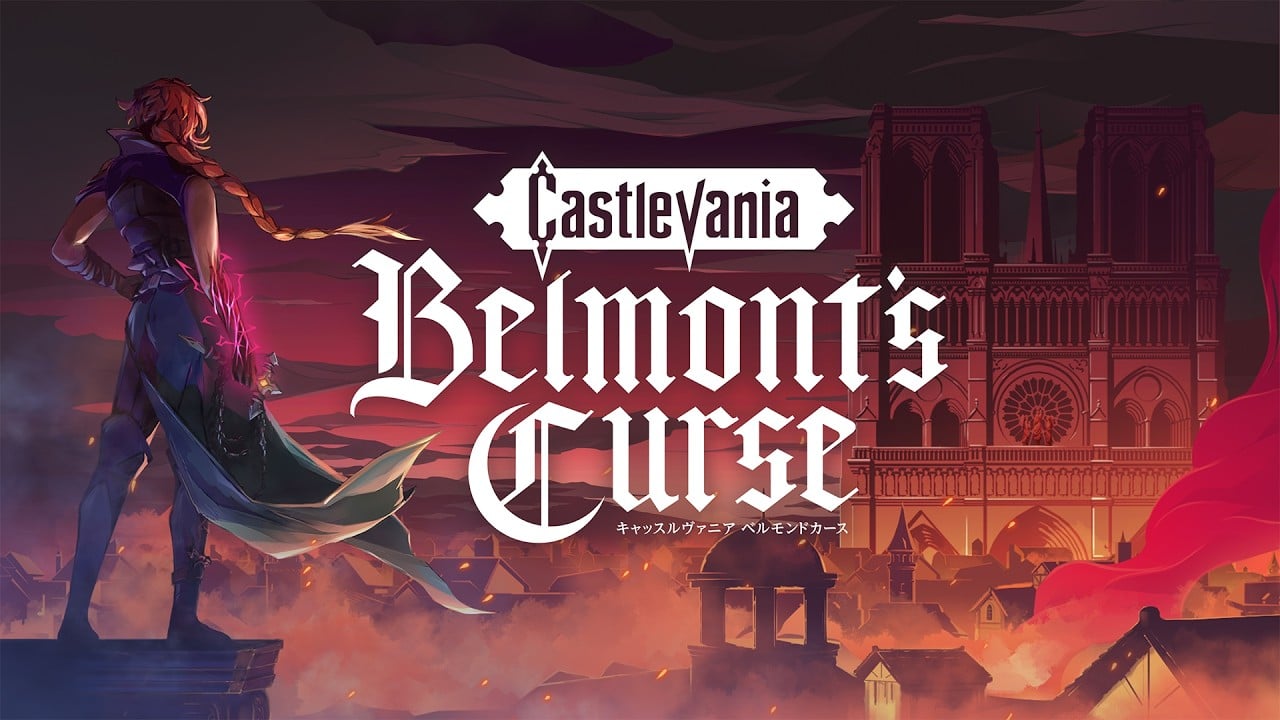
Castlevania has always thrived on atmosphere, and that is exactly why the Paris setting in Castlevania: Belmont’s Curse feels so exciting. Instead of falling back on the same familiar castles, towers, and gloomy European shorthand the series has leaned on for decades, Evil Empire is taking the franchise somewhere that feels both natural and surprising. Paris in this era brings built-in drama. You have grand religious architecture, narrow streets, underground catacombs, political and spiritual symbolism, and a sense of history hanging over every stone. It already sounds like the kind of place where a Belmont should be cracking a whip under a blood-red sky.
What makes this direction land so well is that it does not come across as a random gimmick. Evil Empire is a French studio, and that confidence shows in the way the team talks about the setting. The choice feels personal, and personal choices usually leave a stronger mark than safe ones. When a developer sounds proud of the world it is building, that energy tends to reach the player. You can feel it in the references to Notre Dame, the catacombs, and even a corrupted Joan of Arc. Those are not tiny decorative flourishes. They suggest a version of Castlevania that wants to blend local identity, historical imagery, and classic monster-hunting into something with real bite.
That is why this reveal matters. Belmont’s Curse is not only reviving Castlevania with a new 2D adventure, it is giving the series a setting that can reshape its tone from the ground up. Paris has elegance, menace, and just enough theatrical flair to make every rooftop, crypt, and boss encounter feel memorable. If Evil Empire sticks the landing, this could be one of the freshest directions the series has taken in years.
Paris as Castlevania: Belmont‘s Curse location gives Castlevania a sharper personality
Paris is a brilliant choice because it gives Castlevania a setting with instant character. You can picture it right away: moonlight hitting gothic stone, bells echoing through old streets, shadows sliding across rooftops, and danger lurking under almost every archway. That matters because atmosphere is not a side dish in Castlevania. It is the meal. A forgettable setting can make even good combat feel hollow, while a memorable one can make every corridor feel like it has teeth. Paris has that built in. It carries beauty and dread at the same time, which is basically Castlevania in a powdered wig. More importantly, it opens the door to a different flavor of horror. Instead of leaning only on old castle imagery, Belmont’s Curse can play with sacred spaces, public landmarks, and underground nightmares. That gives the world more texture and a stronger sense of place, which means the journey can feel more distinct from earlier entries while still staying true to the series’ gothic heart.
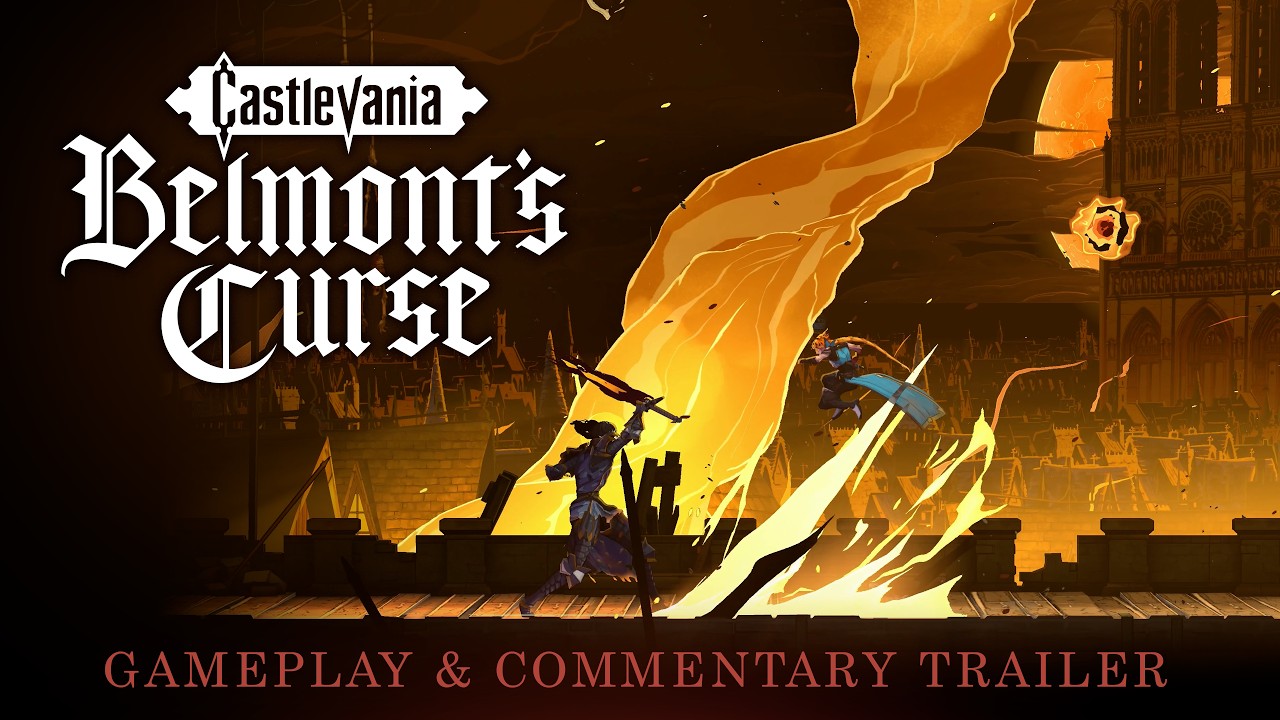
Evil Empire’s French identity is shaping the mood
There is something refreshing about a studio choosing a setting that clearly means something to it. Evil Empire is not treating France like a postcard or a quick joke. The team sounds genuinely happy to build a Castlevania through a French lens, and that gives the project personality. Players can usually tell when a setting was selected because it sounded marketable and when it was picked because the developers actually had something to say. This feels like the second kind. That confidence can shape everything from architecture and enemy design to humor, dialogue, and pacing. A French team building a gothic action game in Paris does not just change the map. It changes the pulse of the whole experience. It can make the world feel more authored and less assembled from familiar franchise parts. That is a big deal for a series making a high-profile return. Instead of playing it safe, Belmont’s Curse is already showing a willingness to stand out, and that confidence tends to be contagious.
Notre Dame is more than a backdrop
Using Notre Dame is smart because it instantly raises the dramatic temperature. This is not just a famous building people recognize from postcards and history books. It is a symbol loaded with spirituality, grandeur, and mystery, which makes it a natural fit for Castlevania. Climbing it, fighting through it, or even just seeing it dominate the skyline gives the game a sense of scale that ordinary ruins cannot match. Notre Dame also creates a wonderful contrast. On one hand, it represents faith, order, and history. On the other, Castlevania thrives on corruption, monsters, and the collapse of safety. Put those together and sparks fly. It is the kind of location that can carry story weight without needing endless exposition. You see it, and you already understand that something sacred is in danger. That is powerful. It turns traversal into spectacle and turns spectacle into meaning. And honestly, swinging a whip across Parisian heights sounds like the sort of nonsense we should all support immediately.
Joan of Arc is the boldest signal yet
A corrupted Joan of Arc is one of those ideas that makes you stop for a second and say, “Well, that is definitely a choice.” And that is exactly why it works. It tells you Belmont’s Curse is not content with using French history as wallpaper. It wants to engage with it, twist it, and turn it into drama. Joan of Arc is not a random figure. She carries huge cultural and spiritual weight, so bringing her into the game as an enemy or tragic presence immediately adds tension. It also suggests that the game may be interested in themes beyond simple monster slaying. Corruption, faith, legacy, sacrifice, and national identity can all sit inside that one character idea. When a boss concept does that much heavy lifting before players even pick up the controller, it is doing its job. Better still, it gives Belmont’s Curse a memorable hook. Plenty of games have skeletons and demons. Not many can say they turned Joan of Arc into one of their most striking reveal moments.
The catacombs can turn exploration into tension
If Paris gives Belmont’s Curse elegance, the catacombs give it dread. This is where the setting can really start to breathe in that cold Castlevania way. Catacombs are naturally creepy because they feel intimate and endless at the same time. They are cramped, yet they suggest a vast maze waiting just beyond the torchlight. That is perfect for a 2D exploration game. It creates room for layered routes, hidden chambers, surprise encounters, and the kind of uneasy pacing that makes discovery feel thrilling instead of routine. A good Castlevania map should feel like a puzzle box with fangs, and the catacombs are practically built for that. They also offer a nice contrast with the rooftops and landmarks above ground. One minute you are in a city of towering stone and public history, the next you are crawling through death-soaked tunnels under its feet. That contrast can make the world feel larger and stranger, which is exactly what this series needs when it returns in such a competitive genre space.
Vertical design could make the city feel alive
One of the most promising things about a Paris setting is how naturally it supports verticality. This is not a flat battlefield. It is a city of rooftops, towers, interiors, bridges, stairwells, chambers, and underground spaces all stacked on top of each other like a deliciously cursed layer cake. That kind of structure can make exploration far more satisfying because movement becomes part of the fantasy. You are not just walking from left to right and calling it a day. You are climbing, dropping, circling back, opening routes, and learning how the city folds into itself. That is the kind of design that makes maps memorable. It also helps the world feel alive, because real cities are messy and interconnected. They have an above, a below, and a hidden middle. If Evil Empire leans fully into that idea, Paris could feel less like a series of themed zones and more like a living place under supernatural siege. That would give Belmont’s Curse a stronger identity and a richer sense of discovery.
This direction separates the game from easy nostalgia
One trap with reviving a beloved series is relying too heavily on recognition. You bring back a famous name, sprinkle in old motifs, play a familiar tune, and hope the audience does the rest of the work. Belmont’s Curse does not seem to be taking that lazy route. Yes, it clearly respects Castlevania’s roots, but the Paris setting suggests the team wants to earn attention through fresh ideas rather than pure memory. That is the right call. Nostalgia is powerful, but it is also slippery. It can make people smile for five minutes and then leave them with something that feels thinner than expected. A strong new setting helps avoid that. It gives players something concrete to latch onto, something that belongs to this game specifically. Notre Dame, the catacombs, and Joan of Arc are not just familiar names being waved around for applause. They can shape the tone, encounters, and emotional pull of the whole journey. That is how you make a revival feel alive rather than embalmed.
Humor in the reveal says a lot about confidence
The remark about being “arrogant enough” to set the game in France, along with the wink about berets and baguettes, does more than get a laugh. It tells you the team is comfortable with the choice and aware of how it might be received. That sort of humor can be a very good sign. It suggests the developers are not stiffly presenting the game like a museum piece. They understand the fun in the premise and are willing to show a little personality. Castlevania has always balanced drama with theatrical flair, so that attitude fits surprisingly well. It also keeps the reveal from feeling overly self-serious. Gothic horror works best when it has a little swagger. Too much solemnity and it starts tripping over its own cape. The humor here feels like a small but useful signal that Evil Empire knows how to handle tone. The studio seems interested in making something atmospheric and stylish, but not so precious that it forgets games are supposed to be exciting, playful, and just a little ridiculous in the best way.
Belmont’s Curse looks ready to honor Symphony of the Night
Another reason this reveal has landed so well is that it does not sound like Belmont’s Curse is chasing trends for the sake of it. The messaging around the game points back toward exploration, world design, and the style of progression that made Symphony of the Night such a landmark. That is encouraging because Castlevania fans have waited long enough for a return that feels rooted in what made the series special. A strong setting alone would not be enough if the structure felt off. Thankfully, the Paris reveal works because it seems tied to a broader design philosophy. A city with rooftops, interiors, underground spaces, and iconic landmarks practically begs for layered exploration. It supports the sort of backtracking, route discovery, and atmosphere-heavy wandering fans want. In other words, the setting is not just attractive. It sounds functional. That is a huge difference. When the world itself helps reinforce the design, everything feels more coherent, and that is usually where the magic starts to happen.
Why this reveal matters for Castlevania fans
For longtime fans, the importance of this reveal goes beyond one neat trailer detail. It is a sign that Belmont’s Curse may understand a hard truth about reviving Castlevania: you cannot return with half-measures. The series needs mood, identity, confidence, and a setting that feels worthy of the name. Paris checks those boxes with style. It has historical weight, visual drama, and enough strange corners to make monster hunting feel romantic and dangerous all at once. More than that, Evil Empire’s approach suggests the team is not afraid to leave a fingerprint on the franchise. That is what people should want. Not a hollow imitation. Not a timid greatest-hits reel. A real entry with its own flavor, its own imagery, and its own reasons to be remembered. If Belmont’s Curse can combine that bold setting with strong exploration and satisfying combat, then this French detour may end up feeling less like a novelty and more like one of the smartest choices the series has made in years.
Conclusion
Castlevania: Belmont’s Curse already looks more interesting because of where it is set and how confidently that setting is being used. Paris gives the game elegance, menace, and instant visual identity, while Notre Dame, the catacombs, and a corrupted Joan of Arc suggest a world that is willing to blend history, horror, and action in memorable ways. Just as importantly, the reveal makes Evil Empire sound like a team with a clear point of view rather than a studio nervously tiptoeing around a famous name. That matters. Castlevania does not need a safe return. It needs a strong one. Right now, Belmont’s Curse feels like it understands that.
FAQs
- Why is the Paris setting such a strong fit for Castlevania: Belmont’s Curse?
- Paris combines gothic architecture, religious symbolism, underground catacombs, and dramatic vertical spaces, which makes it a natural match for Castlevania’s atmosphere and exploration-heavy design.
- What makes Evil Empire’s approach stand out?
- The studio is not using France as a decorative theme. It is building the game’s identity around French history, landmarks, humor, and mood, which gives the reveal a stronger sense of personality.
- Why is Joan of Arc such a memorable addition?
- She brings immediate historical and emotional weight to the game, and her corrupted form signals that Belmont’s Curse wants to do more than recycle familiar monster ideas.
- How could the catacombs improve the gameplay?
- The catacombs are ideal for maze-like exploration, hidden paths, eerie encounters, and layered map design, all of which suit a 2D Castlevania experience extremely well.
- What does this reveal suggest about the game’s overall direction?
- It suggests Belmont’s Curse is aiming for a confident blend of classic Castlevania exploration, strong atmosphere, and a setting that feels fresh instead of purely nostalgic.
Sources
- Castlevania: Belmont’s Curse coming 2026, KONAMI unveils next chapter of the legendary Belmont Clan, KONAMI, February 12, 2026
- The indie studio reviving Castlevania follows Clair Obscur Expedition 33’s lead: “Being a French team, we were arrogant enough to set the game in France”, GamesRadar+, April 10, 2026
- Castlevania: Belmont’s Curse developers are trying really, really hard to make sure you know it’s a metroidvania without using the word ‘metroidvania’, PC Gamer, April 9, 2026
- Whip Into Action in the New ‘Castlevania: Belmont’s Curse’ Gameplay Trailer [Watch], Bloody Disgusting, April 10, 2026