




Summary:
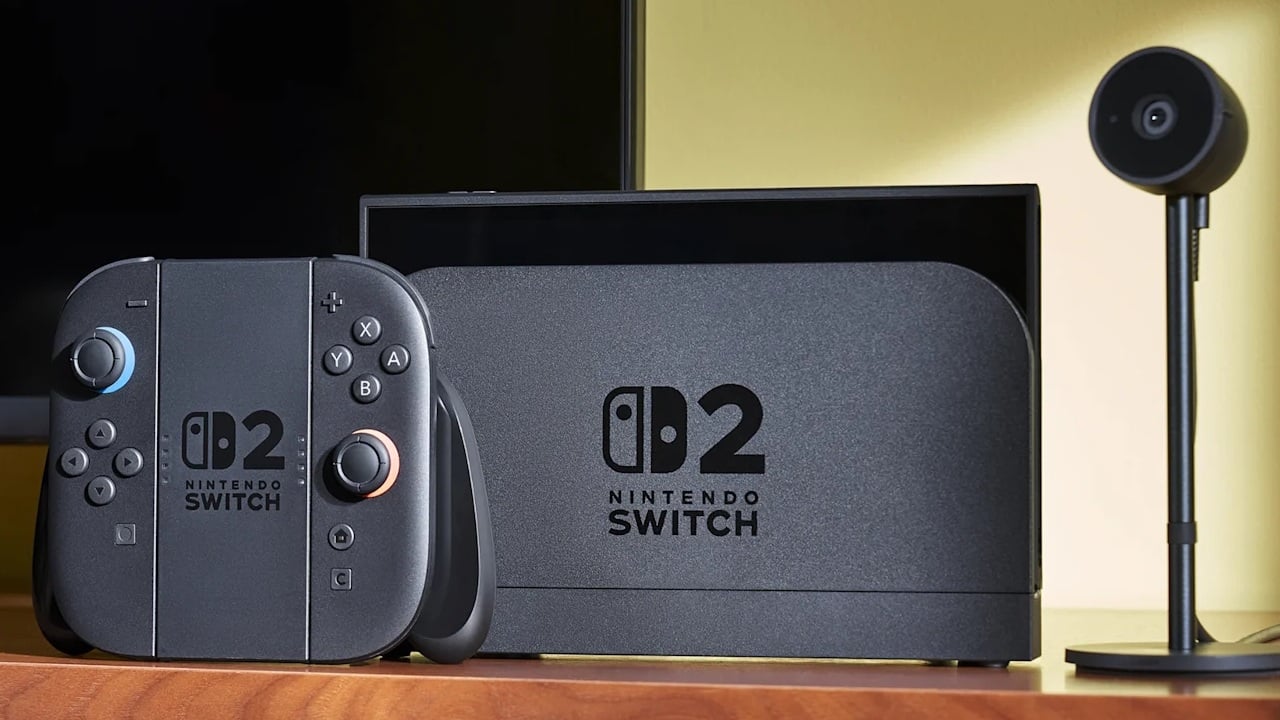
GameChat became one of the headline features of Nintendo Switch 2, and Nintendo’s own developers have now explained how it began as research in 2020, moved through PC prototypes, and was eventually tested on a custom, high-spec version of the original Nintendo Switch. The team discovered early on that sharing a game screen while talking felt natural and social in ways voice chat alone did not. To verify the idea on console hardware they modified a Switch development kit to run GameChat alongside games, used the Quick Settings UI to keep chat accessible at any time, and iterated until the experience felt seamless. That work informed controller and system design decisions for Switch 2 and shaped how Nintendo balanced performance, camera support, and safety features. For Nintendo fans, GameChat is a concrete example of engineering, design, and user testing coming together to create a feature that aims to change how people play together online.
What GameChat is and why it matters
GameChat is a built-in voice and video chat system for Nintendo Switch 2 that also allows players to share their game screens with friends in real time. Unlike standalone apps that sit outside the console experience, GameChat is integrated into the system software so you can open it without quitting your game. That design choice matters because it keeps social interaction friction-free – you can ask a friend to show you how they solved a puzzle, compare routes in a race, or just hang out while each person plays different games. NintendoReporters readers will appreciate that this isn’t just a communication tool – it’s meant to extend how games are enjoyed together. The feature also aims to boost accessibility through speech-to-text and text-to-speech options, and supports cameras and on-device microphones so teams could tailor camera specs and privacy controls during development. In short, GameChat tries to recreate the familiar vibe of playing together on a couch, but over the internet.
How development for Switch 2 started back in 2020
Nintendo’s developers say the idea of pre-installed communication features began around 2020, well before the Switch 2 hardware was finalized. At that time teams were brainstorming what built-in features might make the next console stand out, and the concept of a social, lounge-like space kept coming up. Engineers, designers, and hardware specialists separately researched voice tech, camera possibilities, and noise filtering before combining efforts. Those early research threads made it possible to build a working prototype quickly once the teams pooled resources. Importantly, the 2020 work was about exploring experience possibilities rather than locking in hardware specs, so Nintendo could learn what actually improved play before committing to final system designs. That early focus on user experience over raw specs shaped how GameChat evolved and how later design choices, from the C Button to camera support, were prioritized.
Why PC prototyping came first and what it taught the team
Starting on PC lets developers mix and match tools rapidly, and that’s exactly why Nintendo began GameChat experiments there. On PC you can run voice, video, and game-streaming software in parallel without hitting fixed hardware limits. The developers used that flexibility to discover social patterns – for example, that watching friends play is often as engaging as playing together, and that screen sharing sparks spontaneous moments of teaching and discovery. Those insights gave the team confidence that the idea had value. However, PC tests could not answer whether a dedicated console could switch between gameplay and chat without interrupting performance. That question required running everything on console hardware, which is why the team moved from PC experiments to building a specialized Switch prototype to simulate how GameChat would behave on a fixed platform.
Building a dedicated Switch prototype to test console behavior
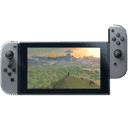
Because a regular Switch does not have the spare memory and processing headroom to run GameChat alongside demanding games, Nintendo modified a development kit to act as a high-spec testbed. That prototype kept core Switch behavior but rearranged system resource allocation, letting engineers run voice, video, and screen sharing concurrently with full games. The prototype was not a retail product – it used development-only resources – but it was crucial for understanding practical trade-offs: how much CPU and GPU time GameChat needs, how the UI can be summoned without breaking immersion, and what camera support is realistic. Running real games on that prototype revealed the kinds of in-play interactions GameChat would enable and helped define the limits and capabilities the final hardware should support.
Turning Quick Settings into a persistent chat gateway
One smart design breakthrough was repurposing the Quick Settings feature as the doorway to GameChat. Quick Settings is accessible at any time on the system by long-pressing Home, so the team realised they could make a chat UI that appears without switching away from gameplay. This approach kept interaction lightweight and non-disruptive, which was essential for not breaking the flow during competitive or single-player moments. Using an always-available overlay meant designers could experiment with layouts and controls that let players mute, swap screens, or invite friends quickly. The prototype work proved the concept, and this integration directly influenced controller and menu design on the final system so chat feels like part of the console rather than an add-on.
Dealing with system resource limits and performance trade-offs
Fixed hardware means fixed limits, and the Switch family was built for a certain balance of CPU, GPU, and memory. Running chat, video, and live screen sharing alongside full games pushes those limits, so the prototype stage was all about measuring and managing trade-offs. Engineers rearranged resource allocation on the test unit and experimented with prioritisation strategies so gameplay stayed smooth while chat ran in the background. The trial-and-error also influenced feature decisions – like how many simultaneous screens to allow, what camera resolutions were feasible, and which noise-filtering algorithms gave the best clarity without hogging resources. These practical findings were fed back into hardware and firmware planning so that the final product could support GameChat without compromising gameplay.
Testing across game types and shaping the player experience
With the prototype up and running, Nintendo teams spent hours playing different kinds of games while using GameChat to study real use cases. Puzzle games, open-world adventures, and online racers each revealed different strengths for screen sharing and chat. For instance, puzzle games benefitted from one player sharing a screen to show a solution, while racing games highlighted the need for unobtrusive overlays so split-second decisions are not interrupted. Observing how people naturally gathered and conversed allowed designers to tune defaults, privacy settings, and moderation tools. The testing phase also inspired the idea of a ‘clubroom-like’ space where friends can hang out without a strict agenda – a social layer intended to replicate casual local play in an online environment.
What these development choices mean for players and creators
For players, the result is a smoother way to socialize while playing – chat that feels native, camera options that enhance expression, and sharing that helps friends help one another. For creators and developers, GameChat presents both an opportunity and a constraint: it can add social mechanics to games when designers plan for screen sharing and CameraPlay, but studios also need to account for GameChat’s resource use and privacy requirements. Nintendo’s approach of prototyping early meant core decisions were made with actual user interaction in mind, not just theoretical design. That should give both players and creators confidence that the feature was tested in realistic scenarios and refined to support the kinds of social moments Nintendo believes are important.
Wrapping up the technical story behind GameChat
NintendoReporters readers should take from this account that GameChat was not an overnight feature. It grew from years of research, PC experimentation, and hands-on prototyping using an adapted Switch dev kit. That practical engineering allowed the team to make informed decisions about UI, camera specifications, and performance trade-offs that ultimately shaped the Switch 2 experience. If you want to read the original developer interviews that walk through these stages, Nintendo published an Ask the Developer series explaining the timeline and prototype work. Understanding this process clarifies why certain design choices were made and why GameChat behaves the way it does on the final hardware.
Conclusion
GameChat shows how user-focused research and clever prototyping can turn a simple idea – chatting while sharing gameplay – into a feature built into a console. Nintendo’s path from PC prototypes to a modified Switch testbed is a reminder that engineering constraints often guide creativity. For fans, the result is a social layer that aims to feel natural and inviting while preserving gameplay performance and privacy. NintendoReporters will keep tracking how developers and players use GameChat and what kinds of game features emerge around it.
FAQs
- What is GameChat and which consoles support it?
- GameChat is Nintendo Switch 2’s integrated voice, video, and screen-sharing feature. It is native to Nintendo Switch 2 and was tested on a modified original Switch during development.
- When did Nintendo begin developing GameChat?
- Development work and research into built-in communication features started around 2020, according to Nintendo’s developer interviews.
- Why did Nintendo test GameChat on a modified Switch prototype?
- PC tests showed the idea’s appeal, but a console prototype was needed to verify performance, UI flow, and how chat runs alongside full games on fixed hardware.
- Does GameChat affect game performance?
- Nintendo’s prototype testing focused on managing system resources so that gameplay remains the priority. Final hardware and optimisations aim to minimise performance impacts for players.
- Where can I learn more about how GameChat was designed?
- See Nintendo’s Ask the Developer interview series and official documentation for full details and technical explanations.
Sources
- Ask the Developer Vol. 17, GameChat – Chapter 1, Nintendo, April 3, 2025
- Financial Results Explanatory Material, Fiscal Year Ended March 2025, Nintendo Co., Ltd., May 8, 2025
- Nintendo built a special prototype Switch to test out GameChat functionality, Nintendo Wire, October 2, 2026