















Summary:
Illusion of Itehari: trail is officially heading west for Nintendo Switch in 2027. Aksys Games will publish the English localization in cooperation with Broccoli, giving players outside Japan the opportunity to experience the next chapter of LicoBiTs’ romantic visual novel. The sequel originally launched for Nintendo Switch in Japan on July 24, 2025, under its Japanese title, Utakata no Uchronia -trail-.
Rather than presenting an unrelated adventure, Illusion of Itehari: trail continues the story that began in the original Illusion of Itehari. Its central After Story follows events after the first game’s True Ending, while additional short stories provide further insight into its returning cast and evolving relationships. That structure makes this release particularly appealing to players who became attached to Itehari’s residents and were not ready to say goodbye when the credits rolled.
The sequel returns to the enclosed garden city in the sky, but the world around its characters is no longer as stable as it once appeared. Itehari is entering a period of turbulent change, forcing its people to reconsider familiar beliefs and decide what kind of future they want to build. Returning and newly introduced characters will be presented through Live2D animation within the familiar visual novel format. A precise western release date has not yet been announced, although the Nintendo Switch launch is planned for 2027. Physical and digital editions are expected to be offered through Aksys Games.
Illusion of Itehari: Trail Heads West on Nintendo Switch in 2027
Aksys Games, Broccoli, and developer LicoBiTs have confirmed that Illusion of Itehari: trail will receive a western release for Nintendo Switch in 2027. The announcement gives English-speaking otome fans another romantic visual novel to place on their increasingly crowded wish lists. It also confirms that the story of Itehari will continue beyond the original game’s international launch. The sequel first appeared in Japan on July 24, 2025, so western players will be receiving an established release rather than waiting for development to finish. A specific launch date has not yet been revealed, meaning the calendar still has a large question mark pencilled into it. Even so, confirmation of the localization removes the biggest uncertainty. The sequel is coming, the platform is decided, and players can begin preparing for another emotionally complicated stay in the garden city above the clouds.
A Direct Sequel Built Around the Original Game’s True Ending
Illusion of Itehari: trail is not designed as a completely independent tale. Its main After Story begins after the True Ending of the original Illusion of Itehari, allowing the sequel to address the consequences of choices, revelations, and relationships established during the first adventure. This approach gives the narrative room to explore what happens after the apparent happy ending, when celebrations fade and difficult realities return to the doorstep. Anyone who has played an otome visual novel knows that reaching an ending does not magically solve every emotional problem. Hearts remain messy, societies remain stubborn, and secrets have a habit of surviving longer than expected. By continuing from the True Ending, trail can treat the original journey as a foundation rather than repeating its introductions. Players can therefore expect established bonds to develop further while unresolved tensions find new ways to test the cast.
The Isolated World of Itehari Faces an Uncertain Future
Itehari is described as a walled garden in the sky that has endured centuries of isolation. On the surface, that sounds almost peaceful: a protected utopia separated from the confusion of the outside world. Yet walls rarely exist without a price. The original story gradually examines the falsehoods supporting that carefully maintained society, and the sequel arrives as a new dawn begins to break over it. Change is no longer a distant possibility whispered about behind closed doors. It has become an unavoidable force moving through the city and its population. As Itehari faces turbulent transformation, its residents must decide which traditions deserve protection and which beliefs have caused more harm than comfort. The story appears ready to challenge easy moral judgments as well. Right and wrong become harder to separate when every choice carries consequences, turning the city’s future into a puzzle with no perfectly shaped pieces.
Returning Characters and New Faces Shape the Next Chapter
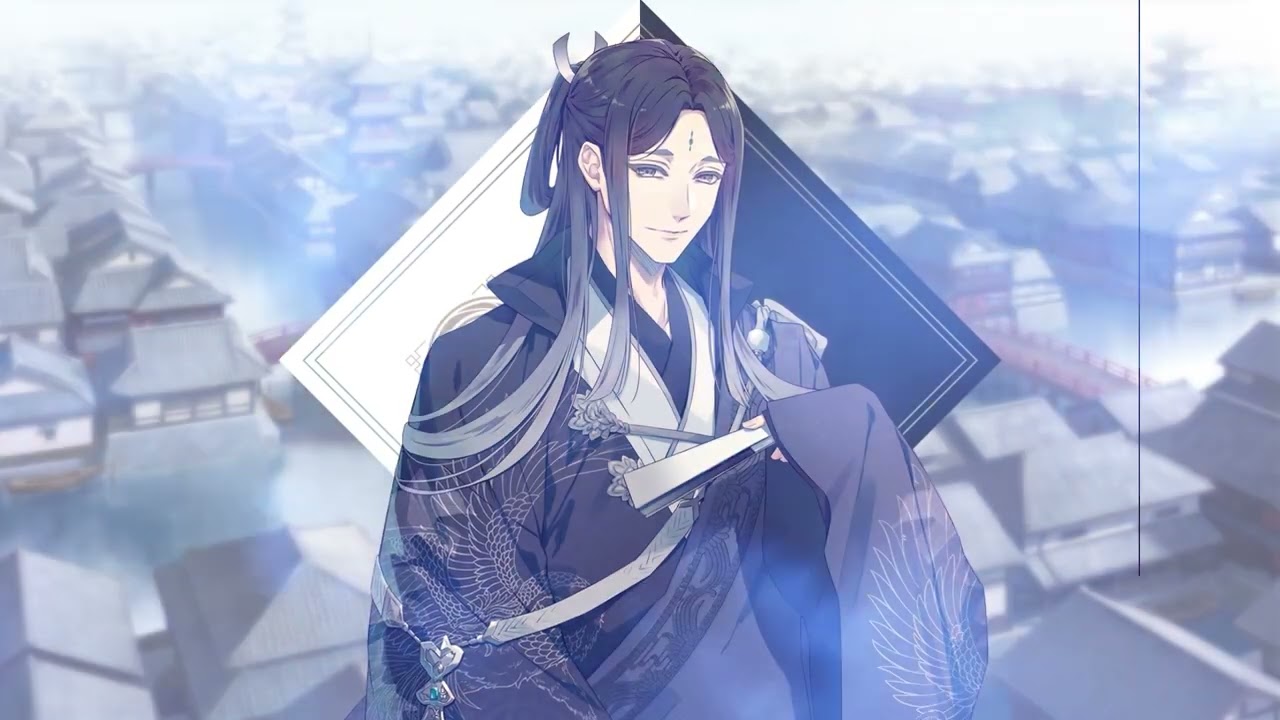
A sequel needs familiar personalities, but it also benefits from a few unexpected arrivals who can disturb the existing balance. Illusion of Itehari: trail features both returning characters and new faces, creating opportunities for old relationships to evolve while fresh conflicts enter the picture. Familiar characters can now be examined from a different angle because the circumstances surrounding them have changed. Someone who seemed confident in the first game may struggle when the rules supporting that confidence disappear. Likewise, a character once trapped by social expectations may discover new freedom, only to realise that freedom comes with responsibilities of its own. New characters can act as sparks near a pile of emotional kindling. They may introduce competing ideas, expose hidden motives, or force the established cast to reconsider their loyalties. That mixture should prevent the sequel from feeling like a simple victory lap through previously visited locations.
Live2D Presentation Brings the Cast to Life
The characters in Illusion of Itehari: trail are presented with Live2D animation, which gives portraits a greater sense of movement while preserving the illustrated style expected from an otome visual novel. Small motions can make a considerable difference during dialogue-heavy scenes. A hesitant glance, a subtle change in posture, or an expression that shifts before a character speaks can communicate emotions that words deliberately conceal. In a romantic story filled with secrets and uncertain intentions, those details are more than decoration. They help players read the room, even when the room is technically a collection of backgrounds and character artwork. The visual novel format remains familiar, so players should still expect substantial reading, branching conversations, and character-focused storytelling. Live2D simply adds another layer to those exchanges, making the cast feel less like static portraits and more like people reacting to events as they unfold.
After Story and Short Stories Expand the Romantic Drama
The sequel combines its main After Story with a collection of shorter narratives. This structure gives Illusion of Itehari: trail enough flexibility to address major developments without neglecting smaller, more personal moments. The After Story can carry the central plot forward, examining Itehari’s changing society and the consequences of the original True Ending. The short stories, meanwhile, can focus on interactions that might not naturally fit into the larger conflict. These could include quieter conversations, romantic interludes, character reflections, or incidents that reveal how daily life has changed. Such moments often become fan favourites because they let personalities breathe outside the pressure of the central storyline. Not every meaningful scene needs an earth-shaking revelation. Sometimes a shared meal, an awkward misunderstanding, or a rare moment of honesty can say more about a relationship than another dramatic confrontation beneath a stormy sky.
Why Playing the Original Illusion of Itehari Matters
Because the After Story begins after the original game’s True Ending, newcomers will get far more from trail after completing Illusion of Itehari first. The sequel is built around established history, emotional connections, and discoveries that would lose much of their impact without context. Starting here would be a little like entering a theatre during the second act and wondering why everyone gasps when a particular character walks through the door. You might understand the immediate conversation, but the emotional weight would be missing. The first game introduces Itehari, explains the rules governing its isolated society, and develops the relationships that trail continues. It is already available in English for Nintendo Switch, having launched on September 18, 2025. That gives prospective players plenty of time to become familiar with its world before the sequel arrives in 2027, provided their visual novel backlog does not stage a rebellion first.
Aksys Games Continues Its Support for Otome Players
Aksys Games has become a familiar publisher among western players who follow Japanese otome releases. Its involvement provides an established path for Illusion of Itehari: trail to reach English-speaking audiences, while the cooperation with Broccoli keeps the localization connected to the company behind the property. LicoBiTs, the development label responsible for the game, was formed through a collaboration between Broccoli and TIS Creation with a focus on games aimed at a female audience. That creative background is reflected in the detailed romantic storytelling and polished character presentation associated with Illusion of Itehari. Bringing the sequel west also demonstrates confidence in the original game’s international audience. Localizing a follow-up is not merely about adding another title to a release schedule. It allows existing players to receive the continuation they have been waiting for instead of being left with an untranslated chapter just beyond reach.
Physical and Digital Editions Are Expected
Aksys Games is expected to publish Illusion of Itehari: trail in both physical and digital formats for Nintendo Switch. That would follow the approach used for the original Illusion of Itehari, which was offered through retail and the Nintendo eShop. A boxed version will naturally appeal to collectors who prefer seeing their otome library lined up on a shelf, especially when related releases feature complementary artwork. Digital availability, on the other hand, offers immediate access without waiting for a parcel to complete its own dramatic route across the country. No special or limited edition has been detailed for the sequel at this stage. Aksys frequently supports selected releases with store-exclusive packages or bonuses, but nothing should be assumed until the publisher shares official information. For now, players can reasonably expect the essential choice between a cartridge and a download when the game arrives.
What Remains Unknown About the 2027 Launch
The western announcement confirms the platform and release year, but several important details remain under wraps. Aksys Games has not provided a final release date, pricing information, preorder schedule, age rating, or information about possible special editions. The supported text languages have also not been fully detailed beyond the planned western localization. More information will likely emerge as development and publishing preparations move closer to completion. Until then, the safest approach is to focus on what has been confirmed: Illusion of Itehari: trail is coming to Nintendo Switch in the west in 2027, it continues from the True Ending, and it includes both an After Story and additional short stories. That is already enough to establish what kind of experience awaits. The remaining announcements will fill in the practical details, including exactly when players can return to Itehari and how many shelves collectors need to clear.
Conclusion
Illusion of Itehari: trail gives the original visual novel something every story-rich romance deserves: room to examine what happens after its defining ending. Rather than freezing its characters at the moment of resolution, the sequel asks them to live with the consequences as Itehari moves into an uncertain period of change. Returning faces, new characters, Live2D presentation, an extended After Story, and smaller character-focused tales should provide a varied continuation for players invested in the first game. Its confirmed 2027 western release also means fans will not need to rely on summaries or watch the story unfold from a distance. Although the exact date and edition details remain unknown, the core announcement is clear. Itehari’s walls may have protected its people for centuries, but change has finally found the front gate, and Nintendo Switch players will be there to see what happens next.
FAQs
- When will Illusion of Itehari: trail launch in the west?
- Illusion of Itehari: trail is scheduled to launch in the west in 2027. A specific release date has not yet been announced.
- Which platform will receive Illusion of Itehari: trail?
- The western localization has been announced for Nintendo Switch.
- Is Illusion of Itehari: trail a direct sequel?
- Yes. Its main After Story continues after the True Ending of the original Illusion of Itehari and is accompanied by a collection of short stories.
- Should players complete Illusion of Itehari first?
- Playing the original game first is strongly recommended because trail builds on its setting, revelations, established relationships, and True Ending.
- Will Illusion of Itehari: trail receive a physical release?
- Aksys Games is expected to publish physical and digital editions. Specific retail editions, preorder bonuses, and possible collector packages have not yet been detailed.
Sources
- Illusion of Itehari: trail Coming West in 2027, Gematsu, July 3, 2026
- Illusion of Itehari: Trail Getting Worldwide Nintendo Switch Release, Nintendo Everything, July 3, 2026
- Illusion of Itehari: trail Coming West for Switch in 2027, Noisy Pixel, July 3, 2026
- Aksys Games Announces Two Otome Titles for Localization in 2027, Otome Kitten, July 3, 2026
- Illusion of Itehari Available Now for Nintendo Switch, Aksys Games, September 18, 2025