














Summary:
Nintendo Switch has reached 155.92 million units sold worldwide, turning an already historic run into something even harder to ignore. That figure places the system within striking distance of the PlayStation 2, which remains the best-selling video game console of all time with more than 160 million units sold. For Nintendo, this is more than a shiny number on a financial report. It is the result of smart hardware design, a steady stream of must-play games, flexible play styles, and years of momentum that never fully faded, even after the arrival of Nintendo Switch 2. The original Switch has already moved beyond the Nintendo DS, Wii, Game Boy family, and other legendary Nintendo systems, which says plenty about how strongly the hybrid concept connected with players. Whether it ultimately passes the PlayStation 2 or not, Switch has already secured its place as one of the most important gaming machines ever released. It changed how millions of people think about home and handheld play, kept Nintendo at the center of the industry conversation, and proved that clever design can beat raw power when the idea feels right.
Nintendo Switch reaches another major lifetime sales milestone
Nintendo Switch has now sold 155.92 million units worldwide, according to Nintendo’s latest dedicated video game sales data. That number is not just another neat statistic for a spreadsheet. It marks one of the most impressive hardware runs the games industry has ever seen, especially for a console that first launched in 2017 and has already seen its successor enter the market. Most systems slow down sharply once the next machine arrives, almost like a crowd leaving a stadium after the final whistle. Switch, though, is still hanging around, waving at everyone, and selling enough units to keep history within reach.
Why 155.92 million units is such a huge number
To put 155.92 million units into perspective, very few gaming devices have ever entered this territory. It means Nintendo Switch is not merely a successful console. It is part of a tiny club of machines that shaped how entire generations played games. Millions bought it as a family system, millions used it as a personal handheld, and millions treated it as both. That flexibility gave Switch an unusually wide audience. Parents could set it up under the television, commuters could slide it into a bag, and longtime Nintendo fans could finally play major console-style Nintendo releases away from home. That mix helped the system avoid being boxed into one narrow role.
How close Nintendo Switch is to the PlayStation 2 record
The PlayStation 2 still sits at the top of the all-time console sales list, with Sony listing the system at more than 160 million units sold worldwide. Nintendo Switch, at 155.92 million units, is now only a little over four million units behind that figure. That gap is small in historical terms, but it is not automatic. Switch sales have slowed as Nintendo focuses more energy on Switch 2, and late-life hardware sales can be unpredictable. Still, being this close is remarkable. For years, the PS2 record felt like a mountain peak hidden above the clouds. Switch has now climbed high enough to see the summit.
Nintendo Switch has already passed legendary Nintendo hardware
Even if Switch never passes the PlayStation 2, it has already done something huge for Nintendo. It has moved beyond the Nintendo DS, which was once Nintendo’s most successful system by lifetime hardware sales. That matters because the DS was a giant in its own right, helped by broad casual appeal, touch-screen novelty, and massive software hits. Switch passing that system shows how powerful the hybrid concept became. It also means Switch now stands above the Wii, Game Boy family, Game Boy Advance, Nintendo 3DS, Super Nintendo, Nintendo 64, GameCube, and Wii U. That is not a small trophy shelf. That is a whole museum wing.
The hybrid idea that changed Nintendo’s path
The heart of the Switch story is simple, but brilliant: one system that works on a TV and on the go. Nintendo did not chase the same raw power race as Sony and Microsoft. Instead, it built a machine around convenience and freedom. Want to play on the couch? Dock it. Want to continue in bed, on a train, or while someone else uses the television? Pick it up and keep going. That sounds normal now because Switch made it normal, but at launch it felt fresh and almost magical. The system solved a real everyday problem for players without making them read a manual the size of a cookbook.
Why Nintendo Switch kept selling for so many years
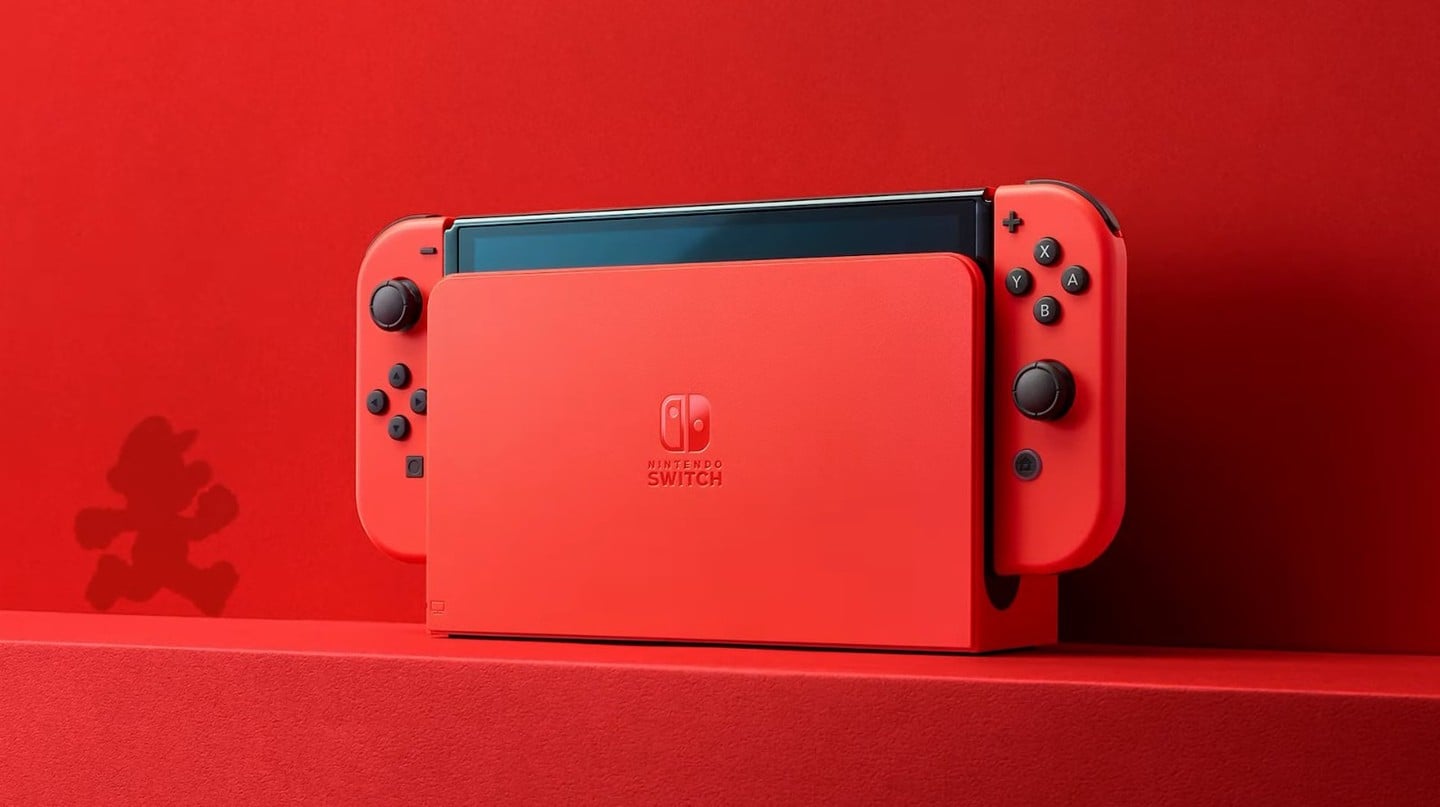
Switch lasted because it never relied on one single trick. The hardware idea pulled people in, but the games kept them there. Nintendo also refreshed the family with models that served different needs, while the core identity stayed clear. Switch Lite appealed to players who mostly wanted a handheld, while the OLED model gave existing and new buyers a better screen and a more premium feel. The original idea did not become muddy. It grew branches without losing its trunk. That is not easy in consumer hardware, where new models can sometimes confuse buyers instead of tempting them.
The role of Nintendo Switch Lite and OLED in long-term sales
Nintendo Switch Lite and Nintendo Switch OLED helped stretch the system’s lifespan without making the platform feel fragmented. Switch Lite gave budget-conscious and handheld-first players a lower-cost way into the library, while the OLED model made the system feel fresher for players who cared about screen quality and build feel. Neither model changed the basic promise: play Nintendo games where and how you want. That consistency likely helped families understand what they were buying, while giving existing owners a reason to upgrade or buy an extra unit. In a long hardware cycle, that kind of clarity is gold.
How software helped keep the hardware alive
Hardware numbers this high do not happen without games that people keep talking about. Switch benefited from a library that mixed evergreen Nintendo releases, indie gems, third-party ports, party favorites, role-playing games, cozy games, competitive titles, and nostalgia-driven collections. The Legend of Zelda: Breath of the Wild gave the console an unforgettable opening statement, while Mario Kart 8 Deluxe became the kind of game that seems to live forever on family systems. Animal Crossing: New Horizons turned into a cultural moment, and Super Smash Bros. Ultimate gave competitive and casual players a massive crossover playground. The result was a library with many doors in.
Why evergreen games matter so much
Some games sell quickly and fade. Nintendo’s strongest Switch releases often did the opposite. They kept selling year after year, almost like board games that stay on a family shelf and come out whenever friends visit. That matters because evergreen software keeps hardware attractive long after launch hype fades. A new buyer in 2026 can still look at the Switch library and find years of highly recommended games waiting. That makes the console feel less like an old gadget and more like a ticket into an established world. When the library stays warm, the hardware does not go cold as quickly.
What Switch 2 means for the original Switch
Switch 2 changes the sales picture for the original Switch, but it does not erase the older system’s appeal overnight. Many players will naturally move to Nintendo’s newer hardware, especially if major releases begin focusing on the new console. At the same time, the original Switch still has a massive library, a lower likely entry point through existing models and bundles, and a huge second-hand market. Families, younger players, and late adopters may still find plenty of value in it. The original Switch is no longer the shiny new toy, but it is still a very strong machine with an enormous library behind it.
Can Nintendo Switch still catch PlayStation 2
The remaining gap between Nintendo Switch and PlayStation 2 is close enough to make the race exciting, but not so close that the outcome is guaranteed. Switch needs a little over four million more units to move past the 160 million mark. That is possible, especially if Nintendo keeps the system available in key markets and supports it with attractive pricing or bundles. However, sales momentum matters. As Switch 2 becomes the main focus, the original model may slow further. The question is no longer whether Switch is historic. That part is settled. The question is whether it has one final burst left in the tank.
What could help Switch reach the record
A few things could help Nintendo Switch close the remaining gap. Price matters, especially for late-life hardware. If the system becomes an even more affordable entry point into Nintendo gaming, it could continue to attract families and younger players. Strong software compatibility messaging could also help, because buyers want to know their purchase still makes sense. Retail bundles with evergreen games could make the value clearer, too. Switch does not need another explosive launch moment. It needs steady, stubborn sales, the kind that quietly add up month after month until suddenly everyone looks at the number and realizes history has changed.
What this milestone says about Nintendo’s wider strategy
The Switch milestone says a lot about Nintendo’s strengths. Nintendo is at its best when it builds hardware around a clear play idea rather than raw specification battles. Switch was easy to understand, easy to demonstrate, and easy to love once the right game clicked. It also gave Nintendo one unified platform after years of splitting development between home consoles and handhelds. That likely helped software output feel stronger and more focused. Instead of supporting two separate ecosystems, Nintendo could pour its biggest ideas into one family of devices. The result was not perfect, because no platform ever is, but the overall strategy worked beautifully.
Why this sales race feels bigger than bragging rights
Console sales records can sound like sports trivia, but this one carries more weight. The PlayStation 2 dominated a very different era, when DVD playback, broad third-party support, and living-room gaming helped it become a global monster. Switch thrived in a world full of smartphones, live-service games, powerful rival consoles, PC handhelds, and endless entertainment options. Its success shows that dedicated gaming hardware can still matter when the idea is strong enough. That is encouraging for anyone who loves playful, focused devices. Sometimes the best technology is not the loudest machine in the room. Sometimes it is the one people actually want to use every day.
Conclusion
Nintendo Switch reaching 155.92 million units sold is a landmark moment for Nintendo and for gaming history. The system has already passed Nintendo’s greatest hardware success stories and now sits close to the PlayStation 2’s all-time record. Whether it ultimately claims the top spot or finishes just behind it, Switch has already earned its place among the most influential consoles ever released. Its hybrid design changed expectations, its library kept players invested, and its long tail proved that a smart idea can stay powerful for years. The record race is exciting, of course. But the bigger story is already clear: Nintendo Switch became a once-in-a-generation success.
FAQs
- How many units has Nintendo Switch sold?
- Nintendo Switch has sold 155.92 million units worldwide as of Nintendo’s latest sales data, which covers figures through March 31, 2026.
- Is Nintendo Switch the best-selling console ever?
- Not yet. The PlayStation 2 remains ahead with more than 160 million units sold worldwide, while Nintendo Switch is a little over four million units behind that mark.
- Has Nintendo Switch outsold the Nintendo DS?
- Yes. Nintendo Switch has passed the Nintendo DS, making it Nintendo’s best-selling hardware family by lifetime unit sales.
- Can Nintendo Switch still pass the PlayStation 2?
- It can still happen, but it depends on how much longer the original Switch continues to sell alongside Switch 2. The gap is small, but late-life sales are harder to predict.
- Why did Nintendo Switch sell so well?
- Switch sold well because it combined home console and handheld play in one simple idea, backed by a strong library of Nintendo games, multiple hardware models, and years of steady support.
Sources
- Dedicated Video Game Sales Units, Nintendo, As of March 31, 2026
- 2000 PlayStation 2 – PSP, PlayStation, 2026
- Nintendo financial results – May 2026 – Switch 2 at 19.86 million units, Switch at 155.92 million, more, Nintendo Everything, May 8, 2026
- Switch Lifetime Sales Inch Toward PS2, But Price Hikes May Hurt Its Chances, Nintendo Life, May 9, 2026
- The Nintendo Switch Refuses To Retire, And The PS2 Should Probably Be Nervous, GameSpot, May 8, 2026