














Summary:
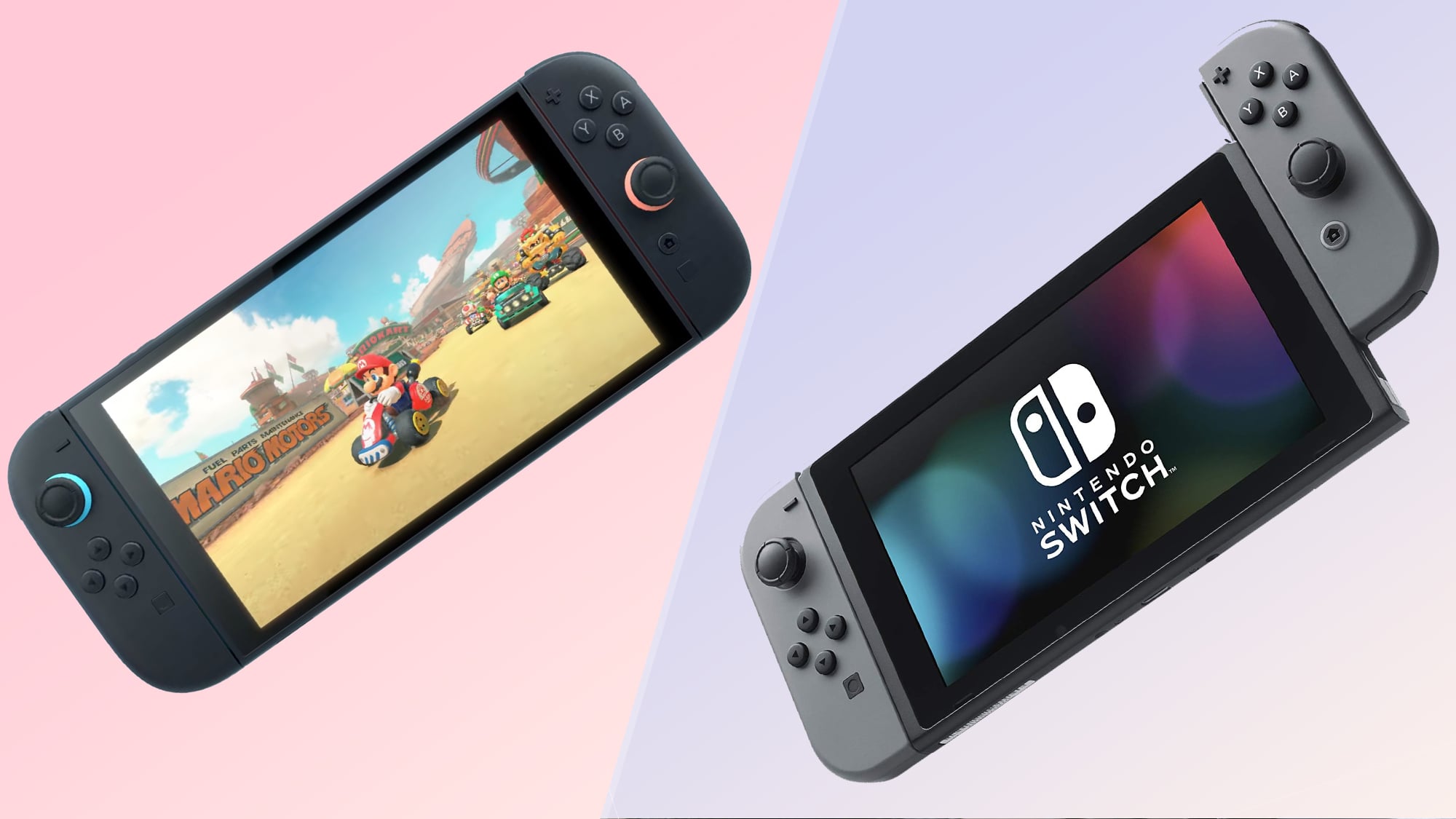
Nintendo appears to be taking a careful approach to the shift from Nintendo Switch to Nintendo Switch 2, and honestly, that makes a lot of sense. The original Switch still has a massive audience, and not every player is ready to buy new hardware the moment a successor arrives. Some are waiting for more games, some are watching the price, and some are simply happy with the system already sitting in their living room, backpack, or bedside drawer. Recent comments from Nintendo president Shuntaro Furukawa suggest the company understands that reality. Rather than forcing the conversation to revolve only around Nintendo Switch 2, Nintendo seems focused on growing its wider software business while letting players move to the newer system at their own pace.
That patient strategy feels even more important after the recently announced Nintendo Switch 2 price increase. Higher hardware costs can make families, casual players, and late adopters think twice, especially when the original Switch still has a huge library and plenty of everyday value. At the same time, Nintendo has strong reasons to make Switch 2 feel exciting, with new games and stronger long-term support needed to justify the move. The interesting part is the balance. Nintendo may not need to abandon the original Switch to build momentum for Switch 2. Instead, the company can treat both systems as connected parts of one broader platform family, using software, familiar franchises, and smart development partnerships to keep players engaged while the next hardware cycle slowly gathers speed.
Nintendo’s Switch strategy is becoming more flexible
Nintendo’s path forward with the original Switch looks less like a hard stop and more like a long, careful handoff. That matters because console transitions are rarely clean. One player upgrades right away, another waits for a bundle, another waits for a favorite franchise, and someone else keeps playing the old machine until the Joy-Con rails practically beg for retirement. With Nintendo Switch 2 now part of the conversation, Furukawa’s recent investor comments suggest Nintendo is thinking beyond a simple “new system replaces old system” model. The company appears to be focusing on the full software business, not just software made exclusively for Nintendo Switch 2. That gives Nintendo room to serve the enormous original Switch audience while still building momentum for its newer hardware.
Why the original Switch still matters so much
The original Nintendo Switch is not just another aging console sitting at the end of its life. It is one of the most successful systems Nintendo has ever released, and its hybrid design changed how many people think about console gaming. For millions of players, Switch is the machine for Mario Kart nights, Zelda adventures, Animal Crossing islands, Pokémon saves, indie discoveries, and quick handheld sessions on the couch. That kind of installed base does not vanish overnight. Even when a successor arrives, the older system remains part of daily gaming habits for families, younger players, and people who do not treat hardware upgrades like annual phone contracts. Nintendo knows this, and that knowledge may be shaping a slower, more player-friendly transition.
Furukawa’s comments point to a patient transition
Furukawa’s message to investors appears to frame the Switch 2 transition as something Nintendo wants to encourage rather than force. That difference is important. When a company says players can move at their own pace, it acknowledges that excitement and hesitation can exist at the same time. Someone can love Nintendo games and still decide to wait before buying new hardware. Someone can be interested in Switch 2 and still need a stronger release schedule before making the leap. By focusing on expanding the entire software business, Nintendo keeps the door open for original Switch players while still giving Switch 2 owners reasons to feel confident about the future. It is a bit like opening a new theme park attraction without immediately closing the ride everyone still loves.
The Switch 2 price increase changes the conversation
The recently announced Switch 2 price increase adds a sharper edge to Nintendo’s transition plans. Price is not just a number on a store page. It is the moment where excitement meets a household budget, and that moment can be awkward. Reuters reported that Nintendo plans to raise Switch 2 pricing in Japan from May 25, 2026, while markets such as the United States are set to see increases from September 1, 2026. That kind of change can slow adoption, particularly among casual players who may already feel well served by the original Switch. For Nintendo, this makes continued support for the existing audience even more useful. It keeps players inside the Nintendo ecosystem even if they are not ready to upgrade immediately.
Software remains the bridge between both systems
Software is the glue holding Nintendo’s hardware strategy together. A console can have better performance, sharper visuals, and faster loading, but people still ask the same simple question: what can we play on it? That question becomes even more important when a system gets more expensive. Furukawa has reportedly talked about preparing a stronger software lineup to increase the value of owning Switch 2, which fits the situation perfectly. Players need reasons that feel bigger than specs on a box. At the same time, Nintendo can use original Switch releases, cross-generation titles, upgraded editions, and ports to keep the broader player base active. The result could be a bridge where Switch owners remain engaged while Switch 2 slowly becomes harder to resist.
Why Nintendo may avoid rushing players forward
Rushing players into a new console can backfire, especially when the old one is still beloved. Nintendo has spent years building trust around the Switch library, Nintendo Accounts, eShop purchases, family play, handheld convenience, and evergreen releases that keep selling long after launch. If the company suddenly made original Switch players feel left behind, it could create frustration at exactly the wrong time. A gentler transition lets Nintendo keep goodwill intact. It also gives Switch 2 room to build its identity naturally. Instead of treating the original Switch like yesterday’s leftovers, Nintendo can treat it like a still-busy restaurant while opening a bigger dining room next door. Nobody feels kicked out, and everyone still smells the pizza.
Shiver Entertainment could play a practical role
Nintendo’s acquisition of Shiver Entertainment looks especially interesting through this lens. Shiver has experience with porting and development work, including technically demanding projects connected to Nintendo Switch. Nintendo’s official acquisition notice said Shiver would continue work related to porting and developing software for multiple platforms, including Nintendo Switch. That wording does not prove a specific future plan for original Switch support, but it does show why the studio could be useful. Porting specialists matter when a company wants to stretch software across different hardware profiles. If Nintendo wants to keep software flowing across Switch and Switch 2, teams with technical porting experience can help reduce friction, smooth performance issues, and make older hardware feel less forgotten.
Forever Entertainment speculation adds another layer
Nintendo Patents Watch has suggested that Nintendo’s interest around Forever Entertainment may fit into a wider effort to extend support for the original Switch. That should be treated as informed speculation rather than confirmed strategy, but it is still a fascinating idea. Forever Entertainment has built a strong presence around Nintendo Switch, particularly as a publisher and producer with experience bringing games to the platform. If Nintendo is thinking about a longer tail for original Switch software, partnerships and investments with companies that understand the system could make practical sense. It would not need to mean every major Nintendo release stays cross-generation. It could simply mean the original Switch continues receiving enough support to remain relevant for players who are not ready to move on.
Cross-generation support may help families and casual players
Families are often the quiet center of Nintendo’s business, and they are also the group most likely to appreciate a slower transition. Buying one new system is already a decision. Buying multiple systems for siblings, shared households, or holiday gifts can turn into a mini financial boss fight. Cross-generation support softens that pressure. If some games still arrive on the original Switch, families can keep playing without feeling forced into an immediate upgrade. If certain games run better or include extra features on Switch 2, the newer system still has a clear appeal. That balance gives Nintendo a way to respect budget-conscious players while still making Switch 2 feel like the place where the future is getting brighter.
The installed base is still too big to ignore
The original Switch audience remains one of Nintendo’s strongest assets. A large installed base means a large group of potential software buyers, and that is valuable even after a successor arrives. Ignoring those players too quickly would be like closing a shop while people are still lined up at the register. Nintendo has often been patient with successful platforms, and the Switch gives the company every reason to be careful again. The system’s library is huge, its audience is broad, and its hybrid concept still works. Even if Switch 2 becomes the main focus over time, the original Switch can continue serving as an accessible entry point for younger players, late adopters, and people who simply want more Nintendo games without buying new hardware right away.
What this means for Switch owners
For current Switch owners, the message is encouraging. It suggests that the system may not be pushed aside as quickly as some feared. That does not mean every major new game will keep arriving on original Switch, and it definitely does not mean the older hardware can match Switch 2 forever. Technology moves forward, and eventually some experiences need stronger hardware. Still, there is a difference between a natural slowdown and an abrupt goodbye. Nintendo appears to understand that millions of players still care about the original system. As long as the company continues to see value in that audience, Switch owners may keep seeing releases, ports, smaller projects, and possibly selected cross-generation games that make the system feel alive for longer.
What this means for Switch 2’s future
For Switch 2, patient support for the original Switch does not have to be a weakness. In fact, it could become one of Nintendo’s smartest advantages. A softer transition can make players feel less pressured, which may actually make them more willing to upgrade when the right game arrives. The key is making Switch 2 desirable without making Switch owners feel punished. Better performance, exclusive titles, upgraded editions, and a stronger lineup can all help. Nintendo’s challenge is to make the newer system feel like an exciting step forward rather than an expensive obligation. If it gets that balance right, Switch 2 can grow steadily while the original Switch continues doing what it does best: keeping people playing.
Nintendo’s broader strategy may be about continuity
The bigger picture here is continuity. Nintendo has spent years building an ecosystem that connects players through accounts, digital libraries, familiar franchises, subscriptions, and long-lasting software. A sudden break would clash with that direction. A gradual shift makes more sense. It lets Nintendo keep the emotional connection of the original Switch while using Switch 2 to offer better versions of the experiences players already love. This is where Nintendo’s brand strength matters. People do not just buy Nintendo hardware for raw power. They buy it because Mario, Zelda, Pokémon, Animal Crossing, Splatoon, Kirby, Fire Emblem, and other familiar names feel like home. Moving house is easier when the furniture comes with you.
Conclusion
Nintendo’s latest messaging suggests a more flexible future for the original Switch than many players may have expected. Furukawa’s comments point toward a strategy built around software growth, a steady Switch 2 transition, and continued respect for the huge audience still playing on the original system. The Switch 2 price increase makes that approach even more important, because not every player will upgrade quickly when hardware becomes more expensive. By keeping original Switch owners engaged while strengthening the Switch 2 library, Nintendo can protect goodwill, extend software opportunities, and make the next system feel like a natural step rather than a forced jump. For players, that is a welcome sign. The old Switch may be aging, but it still has plenty of life left in its little kickstand.
FAQs
- Is Nintendo still supporting the original Switch?
- Furukawa’s recent investor comments suggest Nintendo still sees value in supporting the original Switch audience while Switch 2 adoption grows. That does not confirm every future release for the older system, but it points to a gradual transition rather than an immediate cutoff.
- Will every Nintendo game come to both Switch and Switch 2?
- No clear promise has been made that every game will be cross-generation. Some projects may still arrive on both systems, while others may need Switch 2 hardware for performance, visuals, or features that the original Switch cannot comfortably support.
- Why does the Switch 2 price increase matter?
- A higher price can make players slower to upgrade, especially families and casual fans who already own a working Switch. That gives Nintendo a strong reason to keep original Switch owners engaged while building a stronger case for Switch 2 over time.
- How could Shiver Entertainment help Nintendo?
- Shiver Entertainment has porting and development experience, which could be useful if Nintendo wants to support software across multiple hardware targets. Nintendo’s official acquisition notice mentioned Shiver’s work on software for multiple platforms, including Nintendo Switch.
- Should Switch owners upgrade to Switch 2 right away?
- That depends on the games they want, their budget, and how much they care about newer hardware features. Furukawa’s comments suggest Nintendo wants players to move at their own pace, so waiting for the right release or bundle may be a reasonable choice.
Sources
- Nintendo president hints they’re preparing to continue support for original Switch, My Nintendo News, May 15, 2026
- Nintendo shares slump as price hikes, games shortfall spook market, Reuters, May 11, 2026
- As Zelda: Ocarina of Time remake rumors persist, Nintendo boss reportedly wants to make Switch 2 price increase worth it with a stronger line-up of games, GamesRadar+, May 11, 2026
- Notice of the Acquisition of Shiver Entertainment, Inc., Nintendo Co., Ltd., May 21, 2024
- Forever Entertainment S.A. News, Forever Entertainment, 2026