














Summary:
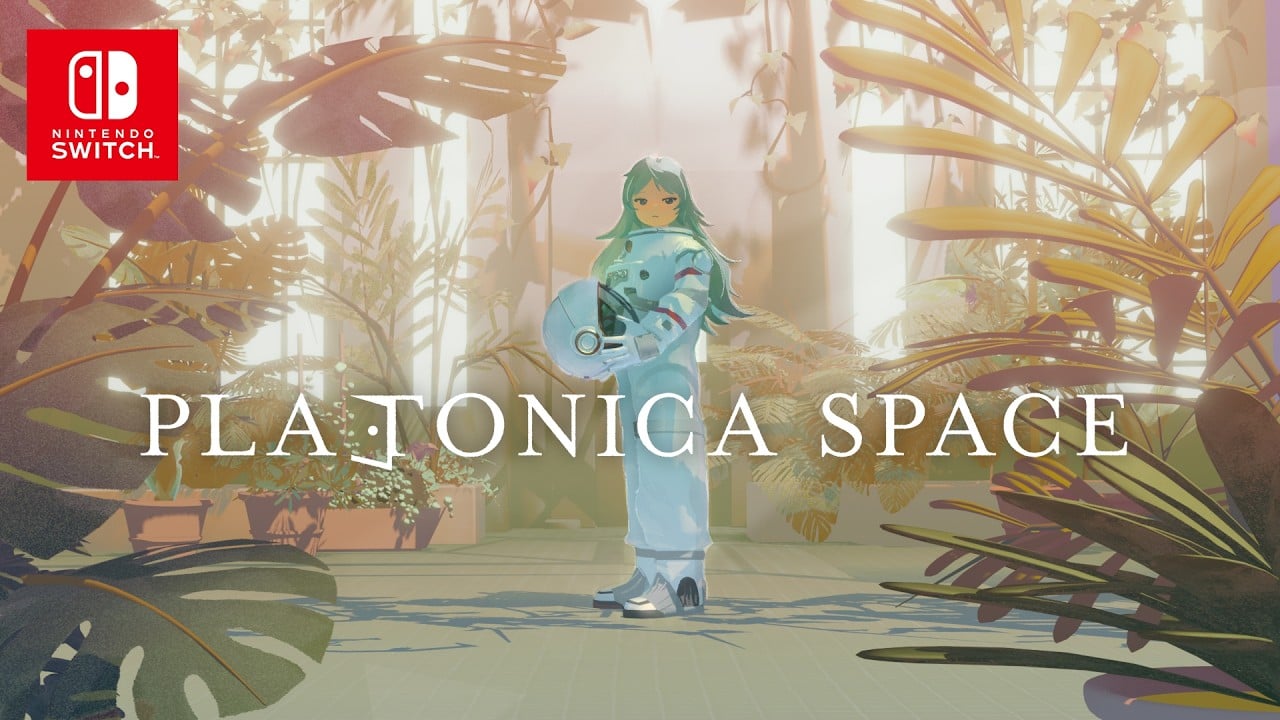
Kamitsubaki Studio and developer Kazuhide Oka are bringing Platonica Space to Nintendo Switch, with the psychological exploration adventure scheduled to launched digitally on August 27, 2026. Rather than sending you across sprawling landscapes, Platonica Space traps you inside something far more personal: an apparently endless collection of interconnected rooms shaped by forgotten memories. You awaken without knowing who you are, where you have come from or why other girls appear to be trapped in the same unsettling place.
Exploration revolves around finding objects and experimenting with where they belong. Putting an item in a particular location can trigger a memory, but its meaning can change depending on the surroundings. A seemingly ordinary object may therefore reveal completely different fragments of the past depending on where you decide to use it. Complicating matters further, some of the memories you uncover may belong to somebody else, leaving you to determine which experiences belong to which character.
The environment also refuses to stay still. Taking actions gradually fills a Sleepiness gauge, and once it reaches its limit, you fall asleep. Waking up can change the arrangement of rooms, their connections and the items available inside them, while anything you were carrying is lost. That creates an unusual rhythm where curiosity constantly competes with caution. Along the way, the other girls you meet can provide hints as their own memories return, although figuring out whether they can truly be trusted could prove just as important as finding an escape.
Platonica Space Launches on Nintendo Switch on August 27, 2026
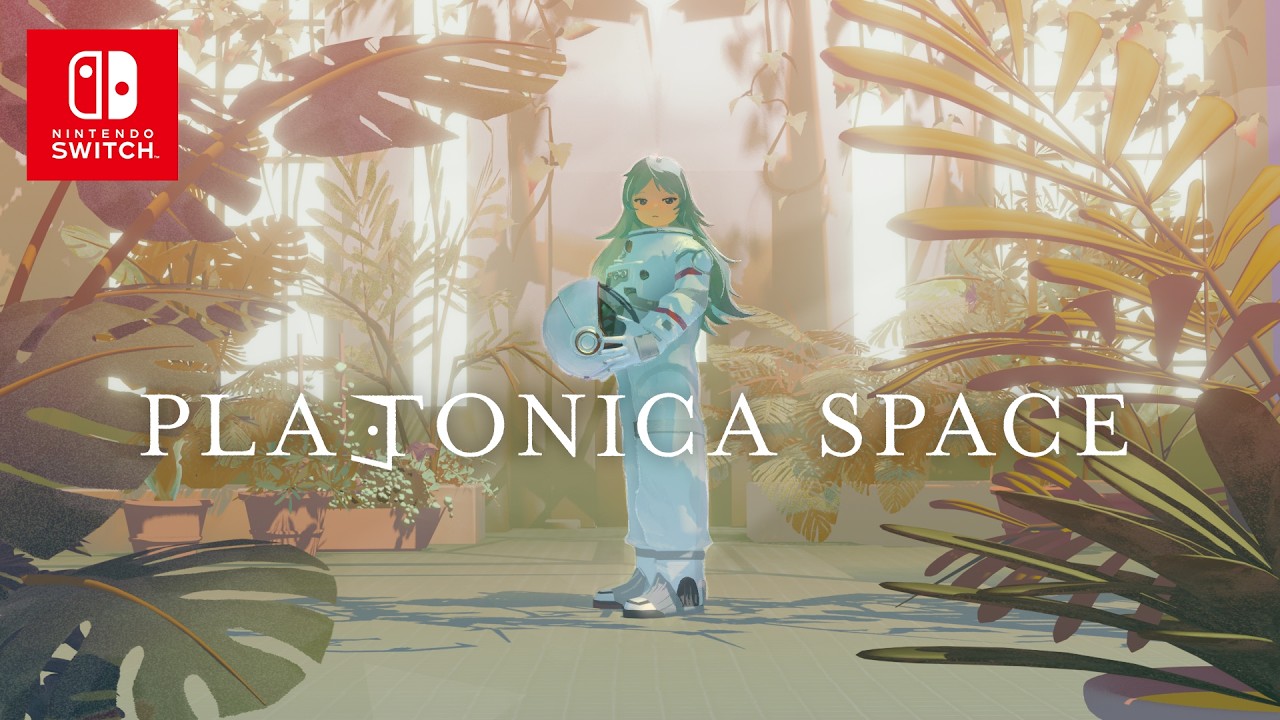
Platonica Space is officially making its way to Nintendo Switch, with Kamitsubaki Studio and developer Kazuhide Oka preparing the psychological exploration adventure for an August 27, 2026 release. The Nintendo Switch version follows the game’s PC launch and gives players another way to enter its strange network of rooms, missing memories and constantly shifting surroundings. It is not the kind of adventure where you simply follow a path from one objective marker to the next. Instead, Platonica Space places uncertainty at the heart of practically everything you do. Doors lead into unfamiliar spaces, objects may have meanings that aren’t immediately obvious, and even the structure of the world can refuse to remain consistent. That makes the premise particularly intriguing for anyone who enjoys mysteries where understanding the world is part of solving the larger puzzle. Every room potentially carries another clue, yet every answer can just as easily create another question.
A Psychological Mystery Built Around Lost Memories
The story begins with an immediately uncomfortable situation. You wake inside an unfamiliar room without your memories, and opening the door does not offer much reassurance. Instead of finding a way outside, you discover another strange room waiting beyond it. Then another. Before long, it becomes clear that this mysterious place consists of interconnected spaces seemingly stretching onward without an obvious exit. Losing your memories would already be frightening enough, but being unable to understand the environment around you makes the situation even more unsettling. Who are you? Why have you ended up here? And, perhaps most importantly, is this place actually somewhere you can escape from? Platonica Space builds its mystery around those questions while gradually revealing that these rooms are not simply random locations. They appear to have been constructed from memories belonging to you and the other girls wandering through the same bizarre space.
Recovering Memories by Putting Items in the Right Places
Finding memories is not simply a matter of walking up to glowing collectibles and adding them to a menu. Platonica Space instead asks you to search the rooms for different objects and experiment with placing them in meaningful locations. Particular combinations between an item and its surroundings can trigger memories connected to them, turning ordinary objects into pieces of a much larger puzzle. That creates an appealing detective-like quality to exploration. You might find something that initially appears useless, only to realize several rooms later that it belongs somewhere very specific. Rather than merely asking, “What does this object do?”, the game encourages another question: “What might this object mean here?” That difference gives each discovery potential importance. The room itself becomes part of the puzzle, and understanding the relationship between place, object and memory appears essential if you want to uncover what happened before you woke up.
One Item Can Unlock Very Different Memories
The same item can carry different meanings depending on where you decide to place it, which makes experimentation particularly important. One example provided for the game involves finding a knife. Put that knife inside a kitchen and it might bring back a perfectly ordinary memory associated with cooking. Take the same object somewhere else, however, and an entirely different recollection could surface. That simple example shows why merely collecting everything you see will not be enough. Context matters. An object has no single guaranteed answer attached to it, so players need to consider the surroundings and decide which combinations are worth testing. It also adds an uncomfortable edge to otherwise familiar objects. Something harmless in one memory could become disturbing in another. Because you cannot immediately know which interpretation is correct, every placement has the potential to reveal another side of the people whose memories created these rooms in the first place.
The Rooms Rearrange Whenever You Fall Asleep
Just when you start believing that you understand the layout, Platonica Space has another trick waiting. Falling asleep changes the environment. When you wake again, the arrangement of rooms, the ways those rooms connect and even the objects you can discover may all be different. Familiarity is therefore temporary. A useful route from one attempt might not help you during the next, and an item you previously found easily could suddenly be somewhere entirely different. This shifting structure gives repeated exploration a clear purpose rather than simply asking players to retrace exactly the same corridors. You can continue searching, experimenting and recovering memories repeatedly, but the experience is designed so that individual attempts do not play out identically. That unpredictability also suits the game’s psychological premise rather nicely. Memories themselves can be fragmented and unreliable, so exploring a world built from them should perhaps feel equally unstable.
The Sleepiness Gauge Makes Every Action Matter
You cannot wander endlessly while checking every possible combination at your leisure. Actions gradually increase a Sleepiness gauge, giving exploration a natural limit that you constantly need to keep in mind. Once that gauge fills, your character falls asleep and the cycle begins again. Suddenly, opening another door or testing another object becomes a small strategic decision rather than something you perform without consequence. Do you continue into an unexplored room when you’re already becoming sleepy, or use the remaining opportunity to test an item in a location you believe could trigger a memory? That pressure should make seemingly small choices feel much more significant. There is always another clue tempting you forward, yet pushing too far could leave an unfinished plan behind. It is a simple system on the surface, but tying ordinary actions to a limited resource gives Platonica Space a surprisingly tense rhythm without needing traditional combat to create danger.
Losing Your Inventory Forces You to Think Ahead
Falling asleep has another important consequence: the items you are carrying disappear. That means your inventory is temporary, so simply gathering everything possible and saving it for later is not a reliable strategy. If you discover an object that seems especially useful, you need to decide how and where to use it before sleep catches up with you. Perhaps you have already seen a room that feels like its natural destination. Perhaps another door promises an even stronger clue. Either way, there is risk involved. Carry an object for too long and you might lose it before learning anything from it. Use it too quickly and you may discover later that a better location was just around the corner. This gives item management real importance and encourages you to remember the relationships between rooms and objects even when the physical world rearranges itself. Your character may lose what she is carrying, but ideally, you as the player have learned something valuable.
The Other Girls May Hold Important Pieces of the Mystery
You are not completely alone inside Platonica Space. Other girls are trapped within the mysterious collection of rooms, and they appear to be facing the same fundamental problem: they have lost their memories and do not initially understand why they are there. Their presence means the mystery extends beyond discovering the protagonist’s identity. Some recovered memories may actually belong to these other characters, forcing you to work out whose past you are seeing before the larger picture makes sense. That turns memory recovery into a process of classification as much as discovery. A memory can be authentic without necessarily being yours, and mistaking one person’s experiences for another’s could completely change how you interpret events. As more details about the other girls emerge, they can also give you hints in return, creating a relationship between learning about them and making progress through the mystery surrounding the strange space.
Trust Could Become Just as Important as Exploration
The obvious temptation is to view anyone trapped in the same nightmare as an automatic ally, but Platonica Space makes that assumption difficult. Every girl has her own forgotten history and secrets waiting to be uncovered, which raises a rather uncomfortable question: can you trust people who do not even remember everything about themselves? Someone may sincerely want to help while unknowingly hiding information that changes how you see them. Another person could know more than she initially admits. The game deliberately places uncertainty around these relationships, making character interactions another potential source of clues and suspicion. That fits neatly with the broader theme of fragmented memory. When everyone is working from incomplete information, certainty becomes hard to find. The challenge is therefore not only uncovering memories but deciding what those memories tell you about the people around you and whether their advice should influence the choices you make next.
Platonica Space Will Be Available Digitally on Nintendo Switch
Platonica Space is planned as a digital Nintendo Switch release, with the game scheduled to arrive on August 27, 2026. Its combination of interconnected rooms, contextual item puzzles, changing layouts and story-driven exploration gives it a distinctly unusual identity among mystery adventures. Rather than separating the narrative from the mechanics, its major systems appear closely connected to the central idea of unreliable and incomplete memories. Rooms change because certainty is temporary. Objects gain different meanings because memories depend on context. Your inventory disappears because progress is not simply about permanently collecting tools. Even the other characters reinforce that uncertainty, as recovering their pasts could either bring you closer to the truth or make everything more complicated. For players who enjoy stories that make them question what they have seen and games where observation matters as much as forward movement, August 27 could bring a particularly strange new mystery to Nintendo Switch.
Conclusion
Platonica Space has a memorable premise because nearly every part of the experience appears designed around uncertainty. You wake without memories, explore rooms created from forgotten experiences, experiment with objects whose meaning changes depending on where you place them and meet other people who understand their own histories no better than you understand yours. Even the environment itself refuses to provide stability, rearranging when sleep brings one attempt to an end. The Sleepiness gauge adds another layer by forcing you to think carefully about how much you can accomplish before losing the items currently in your possession. Taken together, these systems turn recovering your identity into more than simply watching a mystery unfold. You need to piece it together yourself. Platonica Space is scheduled to launch digitally for Nintendo Switch on August 27, 2026, giving players the chance to open its first mysterious door and find out just how far those interconnected rooms really go.
FAQs
- When does Platonica Space release on Nintendo Switch?
- Platonica Space is scheduled to launch for Nintendo Switch on August 27, 2026. The Switch edition follows the PC version and brings the game’s psychological exploration, memory puzzles and changing room layouts to Nintendo’s console.
- What kind of game is Platonica Space?
- Platonica Space is a psychological exploration adventure built around recovering lost memories. You search interconnected rooms, collect items, place those objects in different locations and trigger memories that gradually reveal more about the protagonist and the other girls trapped inside the mysterious space.
- How do you recover memories in Platonica Space?
- Memories can be triggered by placing particular objects in suitable locations. The same object may produce different memories depending on where it is used, so experimentation and paying attention to the environment are important parts of figuring out what happened.
- What happens when you fall asleep in Platonica Space?
- Actions increase your Sleepiness gauge until your character eventually falls asleep. After waking, the arrangement and connections between rooms can change, as can the items found throughout the environment. You also lose the items you were carrying, encouraging careful planning during each attempt.
- Is Platonica Space getting a physical Nintendo Switch release?
- The announced Nintendo Switch version is being released digitally. The game is scheduled to arrive on August 27, 2026, allowing Nintendo Switch players to download it and begin exploring its shifting collection of memory-filled rooms.
Sources
- PLATONICA SPACE coming to Switch on August 27, Gematsu, August 13, 2026
- Platonica Space ‘Goodnight Healer’ music video premieres on YouTube, The Ongaku, August 14, 2026
- Platonica Space in the works for Nintendo Switch, Nintendo Everything, August 15, 2026