














Summary:
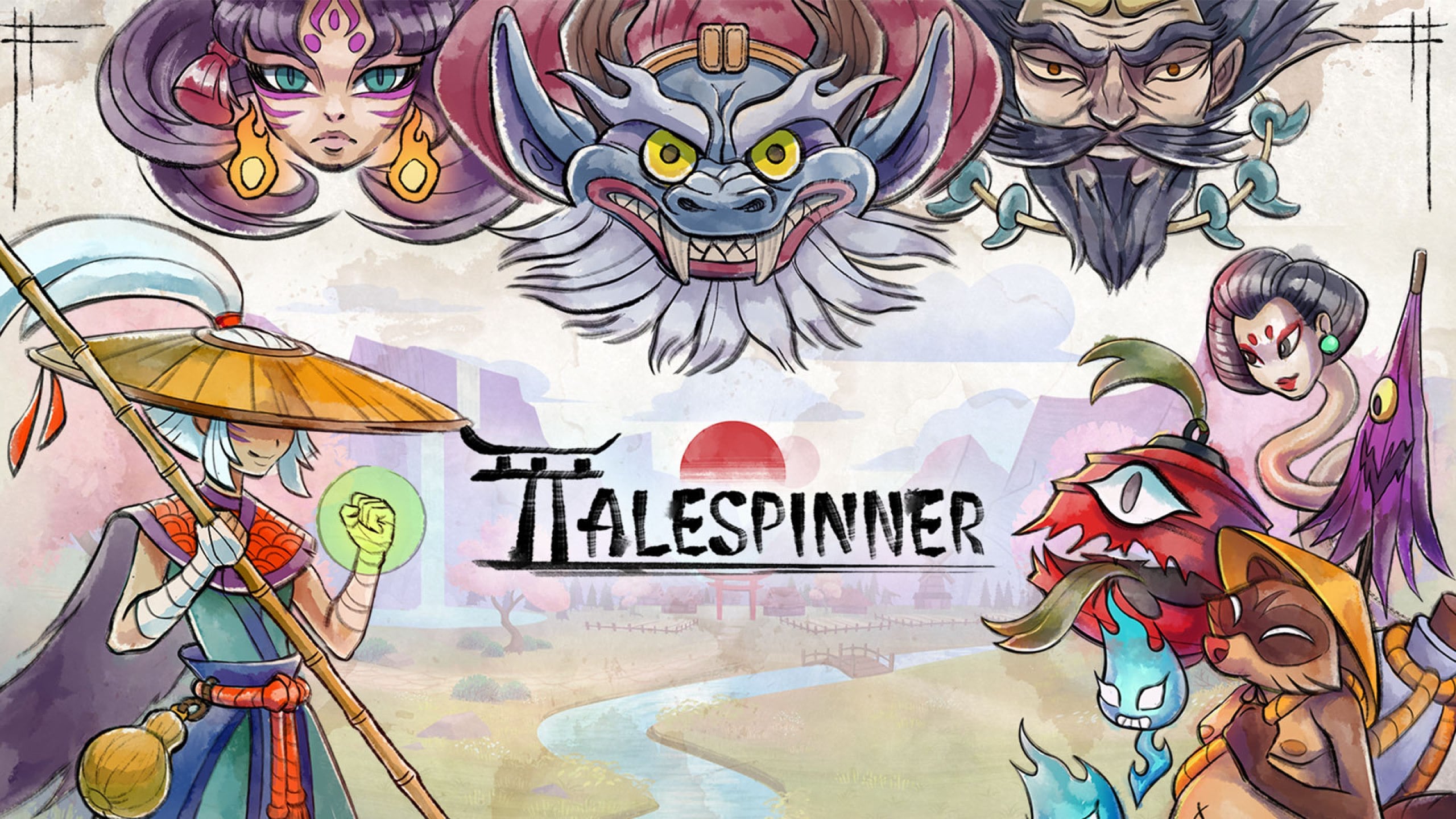
Publisher Kwalee and developer Flash Cat Games have confirmed that Talespinner will launch digitally for Nintendo Switch on August 6, 2026. The turn-based deck-building roguelike invites players into a shifting world inspired by Japanese mythology, where every card played and every path chosen helps determine how the adventure unfolds. Rather than simply following a fixed hero through a predetermined tale, players assume the role of the Storyteller and actively influence the challenges placed before their chosen character.
The adventure will feature three playable heroes, each equipped with distinct mechanics and an upgradeable collection of cards. Players can combine those cards to create powerful synergies while adapting their decks to the enemies, environmental effects and story events encountered during a run. Three scenarios will provide different narrative foundations, including tales involving legendary figures and supernatural beings such as Hattori Hanzo and Yuki Onna. Unlockable twists will further alter those scenarios and encourage repeated journeys.
Talespinner will include more than 200 battle cards, over 50 enemy types, 16 bosses, eight biomes, more than 30 random events and over 50 companions. Its yokai encounters will not always need to end in combat either, as charm and cunning can sometimes transform dangerous creatures into useful allies. Combined with a storybook system that lets players adjust challenges and potential rewards, the game promises a flexible adventure in which strategy and storytelling continually overlap.
Talespinner Launches for Nintendo Switch on August 6
Another deck-building roguelike is preparing to shuffle onto Nintendo Switch, but Talespinner is bringing more than a fresh stack of cards. Publisher Kwalee and independent developer Flash Cat Games have confirmed that the game will arrive on August 6, 2026, giving Switch owners access to its unusual blend of turn-based strategy, branching storytelling and Japanese mythology. The game is also scheduled to launch for PC through Steam on the same date. Its arrival adds another strategy-focused release to a platform that has become a comfortable home for games designed around shorter sessions, repeated runs and steadily expanding tactical possibilities. Talespinner appears especially suited to that style of play because each journey can change according to the hero, scenario, cards and decisions selected by the player. You might begin with a clear strategy in mind, only for a mischievous yokai or inconvenient story twist to toss that plan out the nearest temple window.

Players Become the Storyteller of a Changing Adventure
Talespinner places players in the role of the Storyteller rather than limiting them to the perspective of a single adventurer. That distinction influences the entire structure of the game. Players choose a hero, construct a deck and guide that character through a narrative that changes in response to their decisions. The Storyteller is effectively both director and participant, shaping the dangers that appear while also preparing the hero to survive them. It is a clever concept for a roguelike because repeated runs naturally resemble different versions of the same legend. One telling might describe a fearless warrior overpowering every creature in sight, while another could follow a silver-tongued traveller who turns potential enemies into companions. The basic pieces may be familiar, but their arrangement can produce a very different tale each time. That flexibility gives player choices greater meaning because they affect more than combat efficiency. They help determine what kind of story is being told.
Three Playable Heroes Support Different Strategies
Every memorable tale needs someone brave, clever or reckless enough to stand at its centre, and Talespinner will offer three playable heroes. Each character has unique gameplay mechanics and access to a distinct collection of cards, giving players several strategic foundations to explore. Choosing a hero is therefore more significant than selecting a different portrait or starting statistic. The decision determines how the deck functions, which combinations are naturally available and what kinds of tactics feel most rewarding. One hero may encourage carefully prepared combinations, while another could reward aggressive play or flexible reactions. Their cards can also be upgraded during a run, allowing an initially modest deck to develop into something far more dangerous. This structure should make experimentation worthwhile, particularly for players who enjoy discovering interactions without being handed a perfect solution. Switching heroes can completely change how familiar encounters are approached, transforming an enemy that once seemed terrifying into a much more manageable obstacle.
Card Synergies Form the Heart of Every Battle
With more than 200 battle cards included, deck construction will be one of the central forces shaping each run. Collecting individually powerful cards may help, but success will likely depend on finding combinations that support one another. A card that appears unimpressive in isolation can become essential when paired with an effect that multiplies its damage, reduces its cost or activates an additional ability. That is where deck-builders often become wonderfully dangerous to your free time. There is always one more combination to test and one more run that might finally produce the perfect sequence. Talespinner encourages players to forge card synergies capable of dominating the developing narrative, although hostile creatures will not politely wait while those plans are assembled. Cards can be upgraded as the journey continues, providing another layer of decision-making. Players must determine whether to strengthen a dependable tool, invest in a specialised strategy or preserve enough flexibility to survive unexpected challenges later in the story.
Scenarios Based on Japanese Myths Change Each Journey
The adventure will feature three distinct scenarios inspired by Japanese myths, with each one providing its own narrative premise and selection of challenges. One scenario may place the chosen hero in the path of a pursuing ninja clan led by Hattori Hanzo, while another sends them into the mountains to investigate Yuki Onna, the supernatural Ice Lady haunting the nearby population. These are not merely decorative backgrounds placed behind the same sequence of battles. Each scenario establishes a different journey and can gain additional story twists that alter its events. Unlocking those twists should give returning players new reasons to revisit a familiar scenario, as the central legend may unfold in unexpected ways. This approach makes the mythology feel connected to the game structure rather than pasted onto it like a decorative sticker. Players are not simply reading references to legendary figures. They are moving through stories shaped around those figures, responding to the dangers they create and discovering how different heroes fare within the same mythical circumstances.
The Storybook Lets Players Control Risk and Reward
Talespinner gives the Storyteller direct influence over encounters through an interactive storybook. Players can use it to modify the challenges facing their hero, reducing the difficulty when survival becomes the priority or raising the stakes in pursuit of greater rewards. This creates a deliberate relationship between danger and opportunity. A tougher encounter may provide the card, upgrade or advantage needed to turn an ordinary deck into a formidable one, but greed can quickly write an embarrassing ending. Choosing the easier path is not necessarily cowardly either. Preserving health and resources can be the smarter decision when a powerful boss is waiting several chapters ahead. The storybook system should help each run feel more personal because the player is actively adjusting the rhythm of the adventure. Instead of merely accepting whichever challenge appears next, they can influence how demanding the next chapter becomes. That control also supports different play styles, from cautious planning to the irresistible chaos of choosing maximum danger because the reward looks shiny.
Yokai Can Become Enemies or Unexpected Allies
Japanese mythology is filled with unusual supernatural beings, and Talespinner plans to make its yokai more than interchangeable monsters with different amounts of health. Each creature will possess its own set of skills, creating encounters that demand different responses. Some may punish direct attacks, interfere with card combinations or exploit weaknesses in the hero’s deck. More interestingly, combat will not always be the only solution. Players can crush hostile yokai through decisive force, but charm and cunning may allow them to recruit certain creatures as allies instead. That choice gives encounters a welcome layer of personality. A frightening spirit encountered early in the journey might later become the companion that saves the hero from a difficult boss. It also encourages players to consider what their deck can accomplish beyond dealing raw damage. Building toward persuasion or manipulation could open routes unavailable to a hero focused entirely on battle. Sometimes the sharpest weapon in a mythical adventure is not a blade. It is knowing exactly what to say.
Hostile Powers Disrupt Cards During Combat
Enemies in Talespinner can directly affect the actions attached to the hero’s cards, adding another strategic complication to turn-based encounters. This means players may not always be able to repeat the same dependable sequence against every opponent. A hostile power could weaken a favourite attack, change how an ability behaves or disrupt a carefully prepared combination at the worst possible moment. Such interference makes opponents feel like active threats rather than sturdy targets waiting to be defeated. It also reinforces the importance of creating a balanced deck. A strategy built around one flawless chain of cards can be devastating when it works, but a single disruptive enemy may cause the entire plan to collapse like a paper lantern in the rain. Keeping alternative options available should help players recover when their preferred approach is blocked. Since every enemy type has its own skills, learning how those powers interact with different cards will become part of mastering the game and preparing for later scenarios.
Eight Atmospheric Biomes Create a Varied Mythical World
The hero’s journey will stretch across eight atmospheric biomes, including bamboo forests, mysterious caves, windy plains, haunted villages and ancient temples. These environments should provide more than visual variety, as each biome contains its own enemies and events. Entering a haunted settlement may therefore create a different rhythm from travelling across an open plain or descending into a shadowy cave. Distinct surroundings can also strengthen the storytelling by making each stage feel like another chapter rather than another room selected from a random pool. Imagine leaving a quiet bamboo forest where sunlight flickers between the stalks, only to arrive at a village where empty homes creak in the wind and something is clearly watching from behind a broken shrine. That transition immediately changes the mood. The range of locations should also help repeated runs remain visually interesting, especially when scenarios and random events rearrange what players discover within them. Variety matters in a roguelike because familiar systems are most enjoyable when the world around them continues to surprise you.
Companions and Random Events Add Strategic Possibilities
More than 50 companions and over 30 random events will provide additional variables during each adventure. Companions are described as strategy-enriching allies, suggesting they will offer meaningful abilities or bonuses rather than simply following the hero for decoration. Selecting the right companion could strengthen a particular card combination, compensate for a weakness or provide an entirely new way to approach encounters. Random events will add another source of uncertainty as the hero travels between battles. These moments may offer rewards, impose penalties or force difficult choices with consequences that remain relevant later in the run. Together, companions and events can make two journeys with the same hero and scenario feel noticeably different. One run might produce a group of allies perfectly suited to an aggressive deck, while the next could demand a slower strategy built around survival and improvisation. That unpredictability is part of the appeal. The player may be the Storyteller, but even the Storyteller does not get to control every character on the page.
A Large Selection of Cards, Enemies and Bosses Awaits
Talespinner is being built around a substantial collection of strategic elements. The game will include more than 200 battle cards, over 50 enemy types and 16 challenging bosses. Those numbers matter because a deck-building roguelike relies on variety to keep repeated playthroughs engaging. A broad card pool allows players to develop unusual strategies, while a diverse enemy roster prevents one powerful deck from becoming the universal answer to every problem. Boss encounters should serve as major tests of everything learned during a run, from card selection and upgrades to companion choices and risk management. With three heroes and three scenarios also included, the available combinations can multiply quickly. A card that works beautifully for one character may be unavailable or less useful to another, while a scenario’s enemies could favour a completely different approach. The most rewarding runs will likely be those where the pieces unexpectedly fit together and a strange collection of modest cards becomes an unstoppable engine just before the final confrontation.
Talespinner Looks Well Suited to Nintendo Switch
Deck-building roguelikes are a natural match for Nintendo Switch because their turn-based design works equally well during a quick handheld session or a longer evening on a television. Talespinner’s structure appears particularly appropriate for portable play. Individual encounters can provide clear stopping points, while the wider journey still offers enough progression to make a complete run feel substantial. Touchscreen support and detailed performance information have not been confirmed, so expectations should remain focused on the features officially described. Even without those details, the ability to experiment with decks, replay scenarios and discover new companions should translate comfortably to Nintendo’s hybrid system. The game’s illustrated mythology-inspired presentation may also benefit from handheld play, where cards, character art and environmental details sit close to the player. For Switch owners who already enjoy games built around tactical decisions and repeated attempts, Talespinner could offer a familiar foundation with a storytelling system that gives it a more distinctive identity.
Conclusion
Talespinner will bring its combination of deck-building strategy, roguelike progression and Japanese mythology to Nintendo Switch on August 6, 2026. Its Storyteller concept gives players control over more than the cards in their hand, allowing them to select scenarios, shape encounters and influence the level of risk facing their hero. Three playable characters, more than 200 cards, over 50 companions and a varied collection of yokai should provide plenty of room for experimentation. The possibility of charming creatures instead of fighting them also creates an appealing alternative to solving every mythical disagreement with a spectacular card combo. With branching scenario twists, random events, eight biomes and 16 bosses, Flash Cat Games is preparing an adventure designed to change whenever its story is told again. The final result will depend on how smoothly all these systems interact, but the ingredients are in place for a distinctive addition to the Nintendo Switch library.
FAQs
- When will Talespinner launch for Nintendo Switch?
- Talespinner is scheduled to launch digitally for Nintendo Switch on August 6, 2026. The PC version is due to arrive through Steam on the same date.
- What type of game is Talespinner?
- Talespinner is a single-player, turn-based deck-building roguelike adventure. Players construct and upgrade decks while guiding a hero through changing scenarios inspired by Japanese mythology.
- How many playable characters are included?
- The game features three playable heroes. Each character has distinct mechanics and a unique collection of upgradeable cards that supports different strategies.
- Can players recruit yokai in Talespinner?
- Some yokai can become allies through charm and cunning. Players can also choose to defeat them in combat, depending on their deck, strategy and preferred approach.
- How much variety will Talespinner offer?
- Talespinner includes more than 200 battle cards, three scenarios, over 50 enemies, 16 bosses, eight biomes, over 30 random events and more than 50 companions.
Sources
- Talespinner for Nintendo Switch, Nintendo, July 2026
- Talespinner on Steam, Steam, July 2026
- Deck-Building Roguelike Adventure Talespinner Comes to PC and Switch This August, GamesPress, July 16, 2026
- Talespinner Announced for Nintendo Switch, Nintendo Everything, July 16, 2026
- Deck-Building Roguelike Adventure Talespinner Comes to PC and Nintendo Switch This August, A-to-J Connections, July 16, 2026