














Summary:
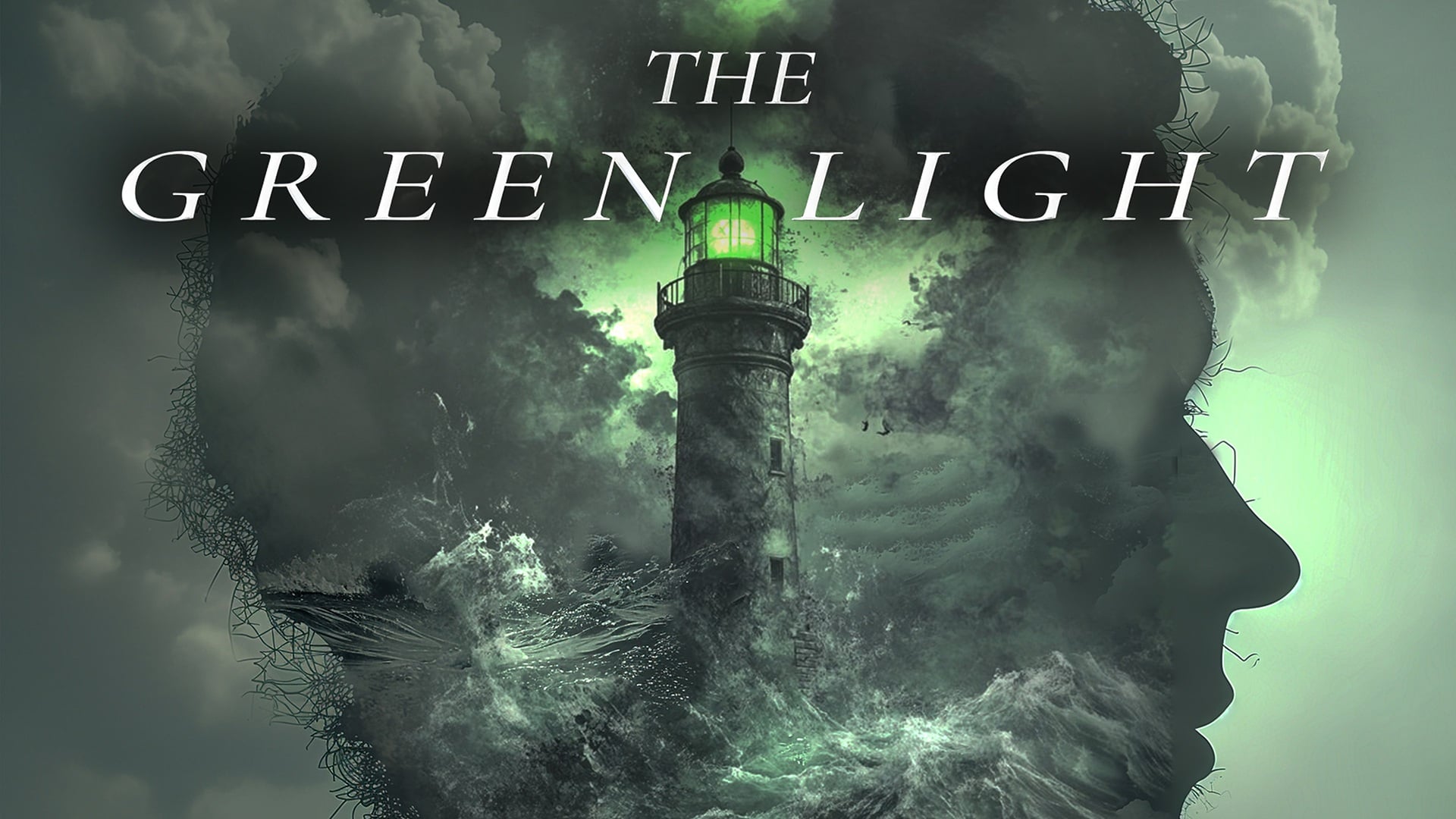
Take IT Studio has announced that The Green Light will be released for consoles, with Nintendo Switch included among the confirmed platforms. Developed by Waleedzo, the first-person psychological horror game originally arrived for PC on January 29, 2026. A release date or launch window for the upcoming console versions has not yet been revealed.
The Green Light follows Fred, a deeply unhappy man trapped in a dead-end job and a life that appears to offer little hope of improvement. His routine takes an unsettling turn during a late-night shift when a mysterious voice suddenly speaks to him through a radio. The voice promises the freedom Fred desperately wants and directs him toward a distant lighthouse, where a green light supposedly offers peace and escape.
Fred decides to follow the signal, but his journey quickly becomes more complicated than a simple walk toward freedom. Hallucinations begin to distort his surroundings, while the player is left to question whether the radio voice is genuinely guiding him or pulling him toward something far more dangerous. The story explores dissatisfaction, isolation, obsession and the personal cost of chasing an idealised escape.
The first-person presentation places players close to Fred’s deteriorating state of mind, turning ordinary environments into spaces filled with doubt and menace. Take IT Studio will handle the console adaptation, although platform-specific features and performance details remain unconfirmed. More information about the Nintendo Switch release, including its launch date, is expected to be shared later.
The Green Light Is Coming to Nintendo Switch
The Green Light is making the jump from PC to consoles, and Nintendo Switch owners will be able to experience Fred’s unsettling journey when the adaptation arrives. Take IT Studio recently confirmed that it is bringing Waleedzo’s first-person psychological horror game to Nintendo Switch, PlayStation 5 and Xbox Series consoles. No specific launch date has been announced, so the green beacon remains visible in the distance rather than marked on the calendar. Still, the announcement gives horror fans another unusual experience to watch. Instead of relying on a heroic protagonist armed with enough equipment to stock a small warehouse, The Green Light focuses on an ordinary man who is exhausted, unhappy and increasingly unable to trust his own senses.
The console announcement follows the game’s PC debut on January 29, 2026. Its move to additional platforms should introduce Fred’s story to players who prefer exploring dark corridors and questionable life decisions from the comfort of a sofa. Nintendo Switch has built a varied collection of independent horror releases over the years, and The Green Light appears ready to join that library with a more personal kind of fear. The threat is not simply something hiding around a corner. It grows from Fred’s frustration, deteriorating perception and willingness to follow a mysterious promise without knowing where it will lead.
Take IT Studio Will Handle the Console Adaptation
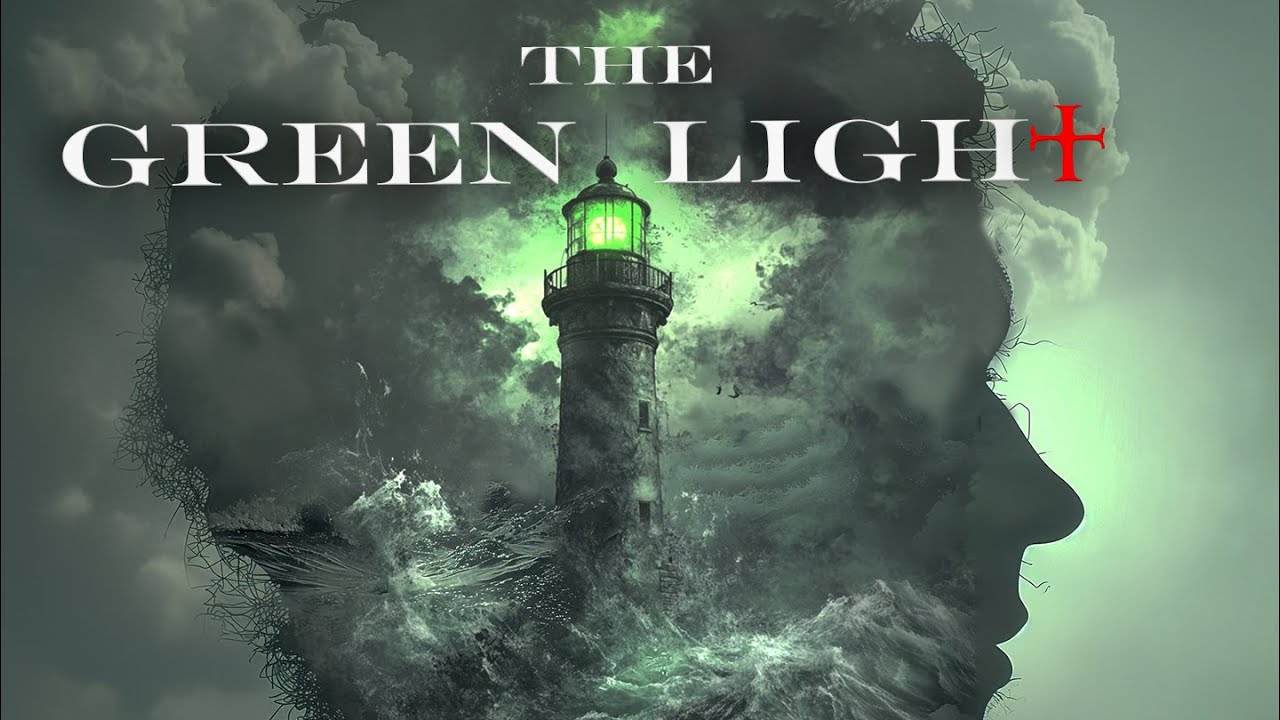
Take IT Studio is responsible for adapting The Green Light for consoles, while Waleedzo remains the developer behind the original game. Bringing a first-person horror experience to different hardware involves more than placing a new button prompt on the screen and calling it a day. Controls, performance, interface elements and visual settings may all require careful adjustment so the atmosphere survives the move from PC. A horror game can lose much of its bite when technical problems interrupt a tense sequence, so a stable adaptation will be especially important here.
Specific information about resolution, frame rate, loading times and Nintendo Switch features has not been announced. There is also no confirmation concerning touchscreen support, motion controls, HD Rumble or other platform-specific additions. Until Take IT Studio shares those details, expectations should remain grounded in what has actually been revealed. What we do know is that Nintendo Switch is part of the console plan and that the adaptation is officially moving forward. That alone is welcome news for players who enjoy compact, story-led horror games that can be finished without surrendering an entire month of evenings.
Fred’s Unhappy Life Sets the Story in Motion
At the centre of The Green Light is Fred, a man caught in the repetitive machinery of a job he despises. He hates the work, resents his boss and sees little value in the life he is leading. Every shift feels like another lap around the same gloomy track, with no finish line in sight. That emotional starting point gives the horror a recognisable foundation. Many people understand what it feels like to become tired of routine, even when their own workplace has thankfully avoided mysterious radio transmissions and ominous lighthouses.
Fred’s dissatisfaction is not treated as a small inconvenience. It has shaped the way he sees himself and the world around him. He feels trapped, and that sense of confinement makes him vulnerable when an apparent opportunity for freedom finally presents itself. A promise does not need to sound sensible when someone is desperate enough to believe it. The game builds its central mystery around that uncomfortable truth. Fred is not chasing the green light because he has carefully weighed every option. He follows it because his current life feels unbearable, and almost any alternative seems worth the risk.
A Mysterious Radio Voice Offers a Way Out
Everything changes during one of Fred’s late-night shifts when a voice interrupts the silence through a radio. It speaks directly to the desire he has carried for so long, promising freedom and peace beyond his miserable routine. The voice tells him that his escape is waiting at a distant lighthouse, where a green light shines through the darkness. It is exactly the kind of offer Fred wants to hear, which naturally makes it more suspicious. Helpful voices appearing on radios in horror games rarely offer sensible pension advice.
The voice becomes the catalyst for Fred’s journey, but its intentions are not immediately clear. Is it trying to rescue him, manipulate him or lead him toward a truth he has buried? The uncertainty gives the radio an important role beyond simple exposition. It becomes a presence that can guide, tempt and unsettle Fred without needing a physical form. Every message carries the possibility of hope and danger at the same time. That tension encourages players to question whether reaching the lighthouse will truly free Fred or merely complete a trap that began the moment he decided to listen.
The Distant Lighthouse Becomes a Symbol of Freedom
The lighthouse gives Fred a visible destination, but it also represents the escape he has imagined for himself. Traditionally, a lighthouse guides people through dangerous waters and helps them find a safe route home. The Green Light twists that reassuring image by making its beacon mysterious and potentially deceptive. Fred sees the light as a promise of peace, yet the player has good reason to wonder whether he is walking toward safety or surrendering himself to an obsession. A beacon can guide someone away from danger, but it can also draw them deeper into unfamiliar territory.
The colour green strengthens that ambiguity. Green can suggest hope, permission, renewal and the freedom to move forward. It can also feel unnatural when seen glowing alone in darkness, particularly when an unknown voice insists that it holds all the answers. The title therefore carries both reassurance and menace. Fred is seeking permission to leave his old life behind, and the green light seems to tell him to proceed. The real question is whether he understands the destination, the price or even the person who will emerge if he reaches it.
Hallucinations Blur the Boundary Between Truth and Delusion
Fred’s reality becomes increasingly unreliable as unsettling hallucinations begin to interfere with his perception. That instability gives The Green Light one of the defining ingredients of psychological horror: uncertainty. A locked door or hostile creature can create immediate fear, but an unreliable mind changes the meaning of everything around the player. Familiar spaces can no longer be accepted at face value. Sounds may not have a visible source, objects may appear where they do not belong and apparent clues may be products of Fred’s distress rather than pieces of objective truth.
Because players experience the journey through Fred’s perspective, they are forced to work with the same limited information he has. There is no calm observer standing nearby with a clipboard and a reassuring explanation. The game asks players to remain inside the confusion, weighing each new event without knowing whether Fred can trust what he sees. That approach can create a slower but more persistent form of tension. Even quiet moments feel unstable because the environment may change, contradict itself or reveal that something previously accepted as real was never reliable in the first place.
Psychological Horror Takes Priority Over Constant Action
The Green Light is presented as a first-person psychological horror experience rather than a combat-heavy survival game. Its premise centres on atmosphere, narrative and Fred’s mental condition, placing emotional unease ahead of constant action. That distinction matters because horror does not always need an enemy sprinting toward the screen. Sometimes the most effective threat is a possibility that refuses to identify itself. A radio crackles. A light flickers. A familiar room feels slightly wrong. Nothing attacks, yet every instinct begins quietly packing its bags.
This style of horror depends on pacing and restraint. The player must have enough time to observe the surroundings, absorb the silence and imagine what might be waiting beyond the next doorway. Fred’s dissatisfaction also gives the experience an emotional weight that a simple chase sequence could not provide on its own. His fear is connected to the life he wants to abandon and the freedom he hopes to find. As a result, the journey can remain disturbing even when no immediate physical threat is visible. The player is not merely avoiding danger. They are following someone who may be losing his grip on reality.
The First-Person Perspective Places Players Inside Fred’s Mind
A first-person viewpoint is a natural match for a story built around hallucinations and uncertain perception. Players see what Fred sees, or at least what he believes he sees, without the emotional distance created by watching him from across the room. This tighter perspective can make narrow spaces feel more oppressive and sudden visual changes more disorienting. When the screen represents a character’s eyes, every unusual movement or impossible detail feels personal. There is nowhere else to look for an objective version of events.
The viewpoint also supports environmental storytelling. Players can examine workspaces, corridors and other locations for details that reveal more about Fred’s circumstances. Even ordinary objects can gain significance when they appear inside a mind shaped by frustration and obsession. The challenge for the console adaptation will be maintaining smooth, responsive camera controls, particularly on Nintendo Switch. Precise movement helps players investigate their surroundings without fighting the controls. When the camera behaves naturally, attention remains where it belongs: on the disturbing world ahead and the growing suspicion that Fred should probably stop taking directions from radios.
The Story Explores Isolation, Dissatisfaction and Self-Discovery
Beneath its dark environments and hallucinations, The Green Light examines what happens when someone becomes consumed by the need to escape. Fred does not begin as an adventurer looking for excitement. He is worn down by work, anger and disappointment. The green light appeals to him because it appears to offer a clean break from everything he hates. Yet freedom obtained without understanding its cost may become another kind of prison. The game’s description makes clear that Fred is willing to pursue freedom even when his life could be the price.
That idea gives the story room to explore self-discovery in an uncomfortable way. Fred may learn more about himself as he approaches the lighthouse, but knowledge is not always comforting. The journey could force him to confront why he feels trapped, what he is willing to sacrifice and whether the peace he wants can actually be found at an external destination. These questions make the premise more emotionally grounded than a straightforward search for a missing person or supernatural object. Fred is chasing a solution to his entire life, and solutions that sound that simple usually arrive carrying some very complicated fine print.
The True Cost of Freedom Sits at the Heart of the Mystery
The promise of freedom drives Fred forward, but the game repeatedly frames that freedom as something with a cost. This transforms the lighthouse from a simple destination into a test of how far he will go. Players may sympathise with his desire to abandon a miserable existence while still recognising the danger in following an unidentified voice. That conflict gives the premise its emotional tension. Fred’s choice is understandable, yet every step seems capable of taking him farther from safety.
The cost could be physical, psychological or symbolic, and the mystery works because the answer is not handed over immediately. Reaching the green light may demand that Fred surrender his old identity, confront painful truths or accept consequences he never considered when the voice first spoke. The game therefore asks a question that extends beyond its horror setting: when does the pursuit of freedom become another form of control? Fred believes he is choosing his path, but the radio voice may have shaped that choice from the beginning. Following a beacon is not the same as deciding where to go.
The Nintendo Switch Version Does Not Have a Release Date
Take IT Studio has not announced a release date or launch window for The Green Light on Nintendo Switch. The console adaptation is confirmed, but players will need to wait for further information before planning their trip toward the lighthouse. A listing or announcement without a date can feel a little like hearing a radio message through heavy static, but it is better to avoid filling the silence with guesses. There is currently no confirmed price, file size, age rating or regional release schedule for the Nintendo Switch version.
It is also unclear whether the console versions will launch simultaneously across Nintendo Switch, PlayStation 5 and Xbox Series platforms. Porting schedules can vary depending on certification, optimisation and platform-specific development requirements. Take IT Studio may provide more information once the adaptation moves closer to completion. Until then, the confirmed facts remain pleasantly simple: The Green Light is coming to Nintendo Switch, Take IT Studio is handling the console release and the timing will be shared later. Any date circulating without an official announcement should be treated as speculation rather than a helpful flash from the lighthouse.
The Official Trailer Introduces the Game’s Unsettling Atmosphere
The official trailer provides an early look at the mood players can expect from Fred’s journey. Its imagery presents shadowy spaces, uneasy lighting and environments that appear caught between ordinary reality and a waking nightmare. The lighthouse and its green beacon naturally command attention, but the quieter details are equally important. Empty rooms, strange visual shifts and stretches of darkness support the feeling that Fred is moving through a world shaped as much by his mind as by physical geography.
Rather than explaining every part of the story, the footage preserves the mystery surrounding the radio voice and the promised freedom. That restraint suits psychological horror, where too much explanation can drain the tension faster than switching on every light in the house. The trailer establishes Fred’s desperation and the direction of his journey without revealing what waits at its end. Players can see why the green light attracts him while also sensing that reaching it may be a terrible idea. Curiosity and caution pull in opposite directions, which is exactly where this kind of horror tends to work best.
What Remains Unknown About the Nintendo Switch Adaptation
Several practical details about the Nintendo Switch version still need to be confirmed. Take IT Studio has not outlined its performance target, graphical settings or whether the game will receive adjustments for portable play. First-person horror can benefit greatly from a consistent frame rate and clear image quality, particularly when players need to notice subtle environmental changes. Dark scenes also require careful visual tuning so important details remain visible without weakening the oppressive atmosphere.
Additional questions concern controls and possible hardware support. HD Rumble could reinforce radio interference, footsteps or environmental disturbances, while optional motion aiming might make first-person camera movement more flexible for some players. These features have not been announced and should not be assumed. The same applies to a potential Nintendo Switch 2 version or upgrade. At present, only a Nintendo Switch console release has been confirmed. More technical information will likely emerge closer to launch, when Take IT Studio is ready to explain how Fred’s troubled night will translate to Nintendo hardware.
Why The Green Light Could Appeal to Nintendo Switch Horror Fans
The Nintendo Switch library already accommodates many different approaches to horror, from large survival adventures to experimental independent releases. The Green Light could stand out by offering a focused narrative about exhaustion, obsession and the desire to escape. Its ordinary protagonist gives the supernatural elements a relatable foundation, while its first-person viewpoint allows the game to create tension through proximity and uncertainty. Players who prefer mood and mystery over elaborate combat systems may find plenty to appreciate in Fred’s journey.
Its premise also appears well suited to shorter, concentrated play sessions. The PC release is presented as a compact experience, making it potentially attractive to players who want a complete horror story without a sprawling map filled with dozens of unrelated errands. Portability could add another dimension, although wandering through hallucination-filled darkness in bed may not be the strongest contribution to a peaceful night’s sleep. Ultimately, the console version’s success will depend on the quality of the adaptation. If Take IT Studio preserves the atmosphere and delivers stable performance, The Green Light could become an intriguing addition to Nintendo Switch’s growing selection of psychological horror games.
Conclusion
The Green Light will bring Fred’s disturbing search for freedom to Nintendo Switch, expanding Waleedzo’s first-person psychological horror game beyond its original PC release. Take IT Studio is handling the console adaptation, with PlayStation 5 and Xbox Series versions also planned. A release date has not been confirmed, and technical details about the Nintendo Switch edition remain unknown.
What has already been revealed points to a personal and unsettling journey. Fred is trapped in a life he despises until a mysterious radio voice promises that peace can be found at a distant lighthouse. His decision to follow that voice leads him through hallucinations, isolation and an increasingly uncertain reality. The green light may represent hope, manipulation or something far worse, and discovering its meaning will be central to the experience. Further information about the Nintendo Switch release will be shared as the console adaptation approaches launch.
FAQs
- Is The Green Light coming to Nintendo Switch?
- Yes. Take IT Studio has confirmed that The Green Light is being adapted for Nintendo Switch alongside PlayStation 5 and Xbox Series consoles.
- When will The Green Light be released on Nintendo Switch?
- A Nintendo Switch release date or launch window has not yet been announced. Take IT Studio plans to share the timing at a later stage.
- Who developed The Green Light?
- The Green Light was developed by Waleedzo. Take IT Studio is responsible for bringing the game to consoles.
- What type of game is The Green Light?
- It is a first-person psychological horror game focused on narrative, hallucinations, isolation and Fred’s search for freedom.
- What is the story of The Green Light?
- The story follows Fred, an unhappy worker who hears a mysterious radio voice promising freedom at a distant lighthouse. He follows the green light while confronting hallucinations and the possible cost of escaping his old life.
Sources
- The Green Light, a First-Person Psychological Horror Game, Coming to Nintendo Switch, Nintendo Everything, July 10, 2026
- Narrative Horror Adventure ‘The Green Light’ Announced for Consoles, Bloody Disgusting, July 13, 2026
- Psychological Horror, The Green Light Coming to Consoles, Gamer Social Club, July 10, 2026
- The Green Light Brings First-Person Psychological Horror to Consoles, Back2Gaming, July 11, 2026
- The Green Light, Steam, January 29, 2026