














Summary:
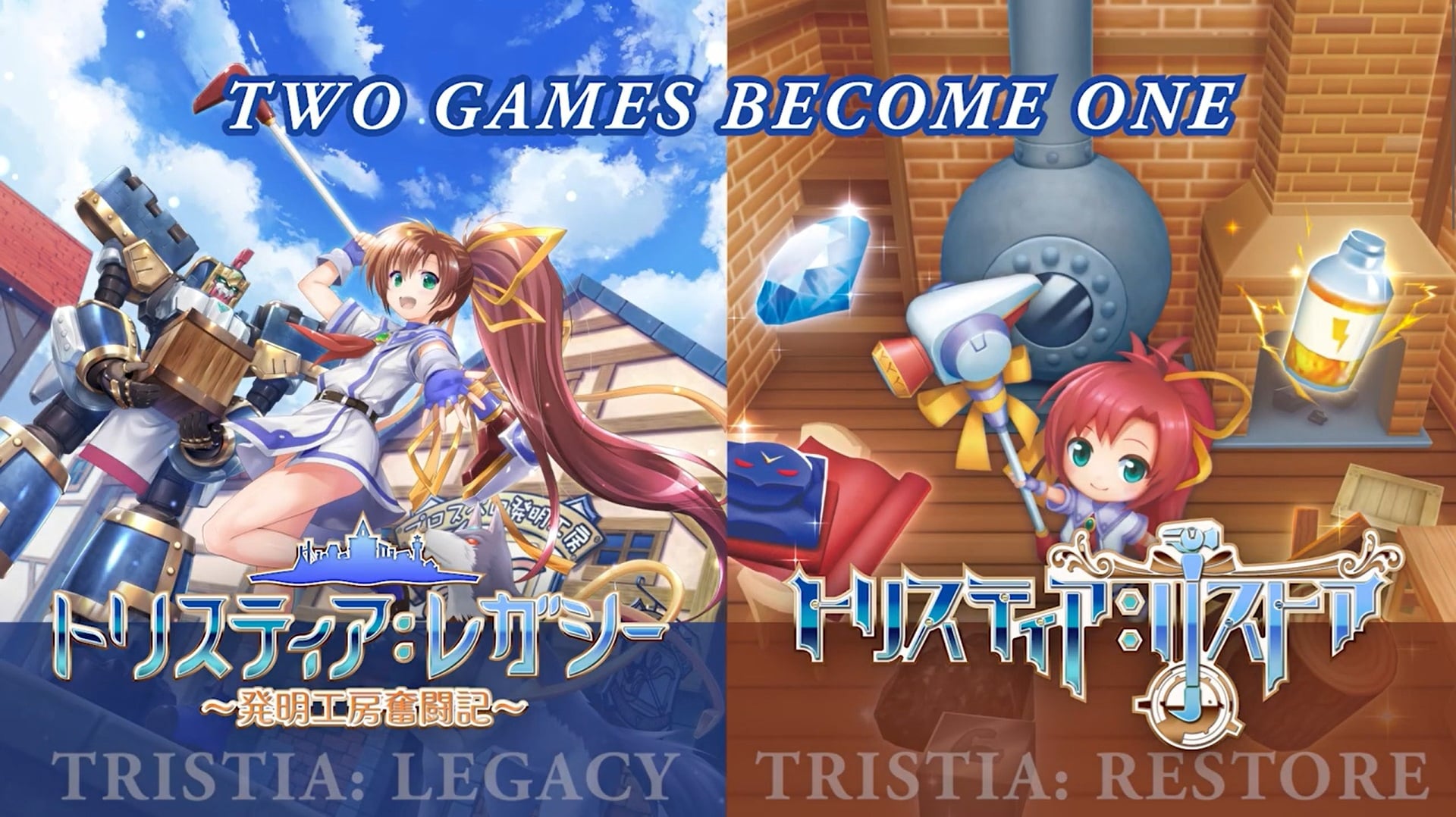
Aksys Games has confirmed that Tristia: Chronicles will launch for Nintendo Switch in the west on September 17, 2026. The collection brings together Tristia: Legacy and Tristia: Restore, two closely connected experiences developed by Kogado Studio that follow talented crafter and inventor Nanoca Flanka. Both games take place in the struggling seaside city of Tristia, but they approach its recovery from different angles. Tristia: Legacy places Nanoca at the centre of an ambitious year-long restoration effort after dragon attacks leave the once-prosperous trading city in decline. Players must invent useful products, support local businesses and encourage the economy to grow as the city’s appearance and prospects gradually improve. Tristia: Restore runs alongside those events while concentrating on Nanoca’s workshop and the steady stream of requests arriving from local residents. Its more active structure uses minigames for collecting materials, selecting equipment and completing items against tight deadlines. Together, the two games offer complementary views of the same restoration project, combining city development, crafting, shop management and character-driven storytelling. The western Nintendo Switch collection will be available physically and digitally, giving players an opportunity to experience two different interpretations of Tristia’s inventive world in a single package.
Tristia Chronicles Receives a Confirmed Nintendo Switch Release Date
Tristia: Chronicles will arrive for Nintendo Switch in the west on September 17, 2026, following its earlier reveal at Anime Expo 2025. Aksys Games initially announced the collection with a broader 2026 launch window, but the publisher has since provided a firm date and opened physical pre-orders. That confirmation removes the lingering question mark from Nanoca’s workshop calendar. She may still have impossible deadlines to handle inside the game, but prospective players now know exactly when their own restoration work can begin. The package includes two Kogado Studio releases that share a setting, characters and central conflict while offering notably different styles of play. Instead of treating one game as a small bonus attached to the other, the collection presents them as companion pieces. One looks outward at the recovery of an entire city, while the other peers through the workshop door to reveal the frantic daily routine powering that larger transformation.
Two Connected Tristia Experiences Are Included in One Collection
The collection pairs Tristia: Legacy with Tristia: Restore, allowing players to experience two interpretations of Nanoca’s efforts without jumping between separate western releases. Their stories unfold around the same period, but their mechanical priorities are different enough to give each game its own identity. Legacy is built around invention, trade and long-term urban revival, whereas Restore turns workshop duties into quicker challenges centred on individual orders. Think of them as two windows overlooking the same harbour. Through one, you can watch the whole city slowly return to life. Through the other, you can see Nanoca scrambling between tools, materials and impatient customers while wondering who thought accepting another urgent commission was a sensible idea. Playing both should provide a broader understanding of Tristia, since the city’s recovery is shown not only through major economic changes but also through the smaller jobs and personal requests that fill Nanoca’s working days.
Tristia Legacy Challenges Nanoca to Rebuild a Ruined Maritime City
Tristia was once known as the Jewel of the Sea, a beautiful maritime centre supported by bustling trade and a thriving local economy. Dragon attacks shattered that prosperity, leaving damaged streets, fading businesses and residents who had grown resigned to the city’s decline. Nanoca arrives with a daunting assignment: restore Tristia within a single year. It is the sort of task that makes fixing a leaky tap look wonderfully relaxing. Her greatest tools are not swords or spells, however, but creativity, engineering knowledge and an ability to turn raw materials into inventions that people genuinely need. The premise gives the restoration project a clear emotional purpose. Players are not merely filling progress bars or decorating empty spaces. They are helping a discouraged community recover its confidence. Every useful creation can contribute to a wider chain reaction, supporting local commerce and giving Tristia another reason to believe its brightest days are not permanently lost beneath the waves.
Crafting and Commerce Gradually Transform Tristia
Nanoca’s inventions form the beating mechanical heart of Tristia: Legacy. Players obtain materials, follow designs and produce items that can be sold or supplied to people around the city. Introducing a useful product can influence what local shops offer, encourage commercial activity and open the door to more ambitious projects. The process resembles dropping a pebble into calm water and watching the ripples spread across the harbour. A single workshop creation may appear modest, yet its effects can reach businesses, residents and future development opportunities. As Tristia secures more support and funding, Nanoca can tackle larger assignments that push the restoration effort forward. This structure makes crafting more meaningful than simply building objects for an inventory checklist. Each invention belongs to a wider economic puzzle, and players can watch the city respond to their decisions. Seeing neglected neighbourhoods regain energy should provide a satisfying visual reminder that all those materials, experiments and late workshop nights are producing real results.
Tristia Restore Shifts Attention to Nanoca’s Busy Workshop
While Legacy examines Tristia’s broader recovery, Tristia: Restore focuses on the daily pressure inside Nanoca’s shop. She has major crafting projects demanding her attention, but local requests continue arriving at an alarming rate. Anyone who has tried completing one important task while five smaller jobs appear from nowhere will understand the problem immediately. Restore turns that familiar chaos into a more active experience. Players must gather the correct resources, prepare appropriate equipment and finish requested products before time expires. This narrower perspective gives individual orders greater urgency and highlights the practical labour hidden behind the city’s revival. Grand restoration plans might sound impressive during meetings, but someone still has to make the machinery, collect the parts and deliver everything on schedule. By concentrating on those responsibilities, Restore shows Nanoca not only as a gifted inventor with bold ideas but also as a shopkeeper balancing expectations from every corner of the community.
Minigames Turn Everyday Production Into an Active Challenge
Restore uses minigames to represent the different stages of Nanoca’s work, giving material collection and item production a faster, more hands-on rhythm. Players need to identify what each request requires, choose suitable equipment and perform the necessary tasks efficiently. The ticking clock adds pressure, especially when several obligations compete for attention. Rushing carelessly is unlikely to help, so success depends on understanding the job and making sensible preparations before committing valuable time. This approach offers a contrast to the more deliberate city-building structure found in Legacy. Rather than watching an economic plan unfold over an extended period, players face immediate challenges with clear objectives and deadlines. The result should make Nanoca’s workshop feel less like a quiet menu screen and more like a lively production floor where something always needs polishing, repairing or delivering. There is little room for boredom when another resident is already standing at the counter with an urgent request.
Parallel Stories Show Different Sides of Nanoca’s Responsibilities
The decision to place Restore alongside Legacy is important because their overlapping timelines allow the two games to strengthen one another. Legacy establishes the scale of the crisis and asks players to consider Tristia as an interconnected city. Restore then narrows the lens, revealing how Nanoca’s ordinary working days contribute to that grand objective. It is the difference between studying a completed machine and opening its casing to see every gear moving inside. The city’s transformation depends on economic planning and ambitious inventions, but it also relies on dozens of smaller promises made to individual residents. Experiencing both perspectives can make Nanoca’s role feel more believable. She is simultaneously a visionary engineer, a business owner, a craftsperson and the person everyone apparently visits when they need something finished five minutes ago. That mixture of large ambitions and everyday pressure gives the collection a personality that separates it from simulations concerned only with numbers, buildings or production efficiency.
The Setting Blends Mechanical Invention With Seaside Fantasy
Tristia’s identity comes from the unusual meeting point between industrial creativity and colourful fantasy. The city is shaped by maritime trade, dragon attacks and elaborate mechanical inventions, creating a world where workshop tools can be just as important as mythical creatures. Nanoca fits naturally into that setting because her ability to invent provides a practical answer to a crisis born from extraordinary circumstances. She cannot erase the damage overnight, but she can create the conditions that help people rebuild. The seaside backdrop also gives the restoration project a strong visual and thematic centre. Tristia is not an anonymous collection of buildings waiting to be upgraded. It is a harbour city with a reputation, a wounded sense of pride and residents who remember what it once represented. Bringing back the Jewel of the Sea therefore carries more emotional weight than improving statistics alone. Players are restoring a home, a marketplace and a shared symbol of hope.
The Collection Introduces the Deep-Blue World to Western Switch Owners
Tristia: Legacy and Tristia: Restore previously appeared on Nintendo Switch in Japan and Asia, while both titles also became available for PC. The western release from Aksys Games makes the paired experience more accessible to English-speaking Nintendo Switch owners through a dedicated physical and digital launch. That is particularly useful for newcomers who may have encountered the names before but lacked a convenient way to explore the setting on Nintendo’s system. The collection does not require players to approach Tristia with years of background knowledge tucked under one arm like an enormous instruction manual. Its central situation is easy to understand: a proud city has fallen into decline, and an inventive young woman has been asked to help save it. From there, the characters, workshop routines and restoration systems can introduce the wider world naturally. Packaging both games together also ensures that new players receive the broader city story and its more focused shop-management companion at the same time.
The Announcement Trailer Presents Tristia’s Restoration Project
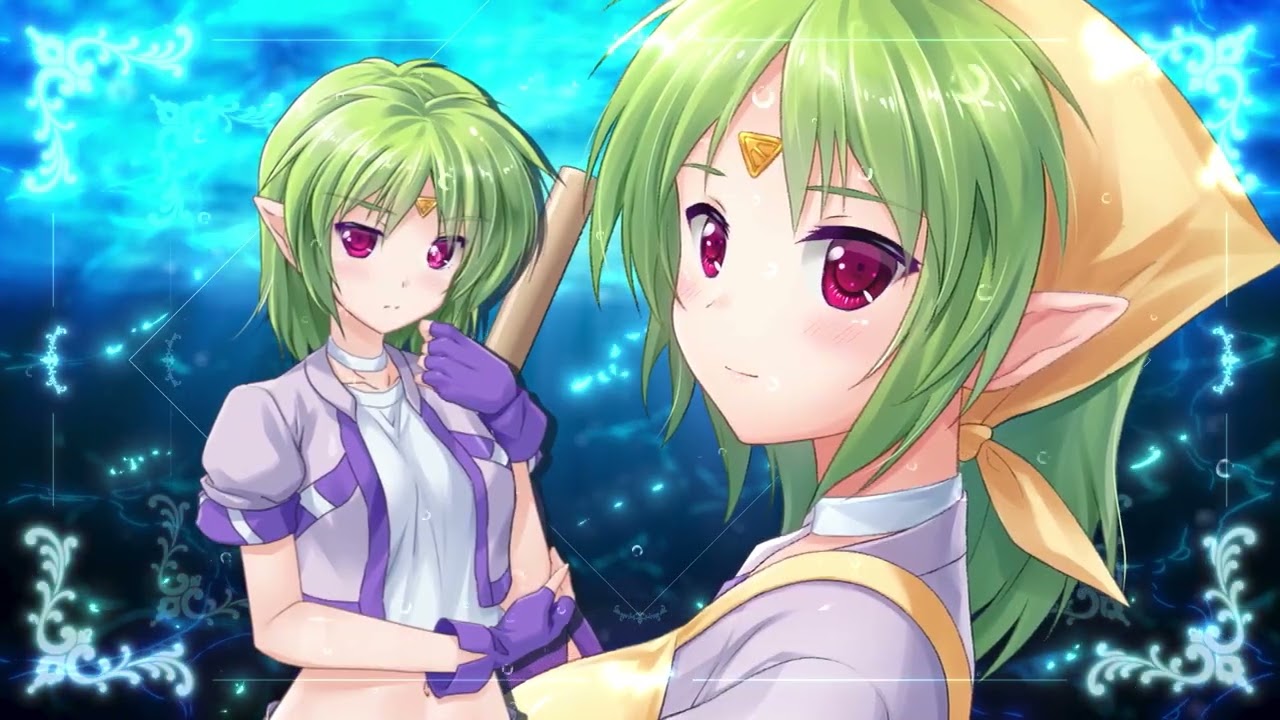
The official announcement trailer introduces the western Nintendo Switch collection by highlighting its colourful characters, crafting themes and two-part structure. It establishes Tristia as a city in need of help while positioning Nanoca as the energetic inventor capable of changing its fortunes. Footage from Legacy emphasises conversations, invention and the wider restoration effort, while Restore presents more active tasks and minigames inside the workshop. Showing both games together is useful because their visual similarities could otherwise suggest that they offer identical experiences. The trailer instead makes their different priorities easier to recognise. Legacy follows the larger campaign to revive the city through commerce and creation, whereas Restore captures the rapid rhythm of individual jobs. Together, those scenes communicate the basic appeal of the collection: players can witness the grand transformation of Tristia and then experience the busy practical work that keeps the project moving from one request to the next.
Conclusion
Tristia: Chronicles will bring two complementary crafting experiences to Nintendo Switch in the west on September 17, 2026. Tristia: Legacy gives players responsibility for the long-term revival of a declining harbour city, using inventions and commerce to encourage new growth. Tristia: Restore concentrates on the frantic workshop routine behind that mission, challenging players to gather materials, select equipment and complete requests through timed minigames. Combining them in one package allows Nanoca’s story to be seen from both a city-wide and personal perspective. The premise may revolve around rebuilding streets and businesses, but its real charm appears to lie in helping a community rediscover its enthusiasm one creation at a time. There will be deadlines, demanding customers and probably far more work than any sensible person would accept. Fortunately, Nanoca does not seem like the type to walk away when an entire city needs a capable inventor and a very well-organised toolbox.
FAQs
- When will Tristia: Chronicles launch for Nintendo Switch?
- Tristia: Chronicles is scheduled to launch for Nintendo Switch in the west on September 17, 2026.
- Which games are included in Tristia: Chronicles?
- The collection includes Tristia: Legacy and Tristia: Restore, two connected games developed by Kogado Studio.
- What is Tristia: Legacy about?
- Tristia: Legacy follows inventor Nanoca Flanka as she attempts to restore the dragon-damaged city of Tristia within one year by crafting items, supporting businesses and completing development projects.
- How is Tristia: Restore different from Tristia: Legacy?
- Tristia: Restore focuses on running Nanoca’s workshop. Players complete minigames, collect materials, choose equipment and fulfil requests before their deadlines expire.
- Will Tristia: Chronicles receive a physical release?
- Yes. Aksys Games has confirmed physical and digital Nintendo Switch releases, with physical pre-orders available through selected retailers.
Sources
- PRE-ORDER: Tristia: Chronicles, Aksys Games Store, July 3, 2026
- Tristia: Chronicles Launches September 17 in the West, Gematsu, July 3, 2026
- Aksys Games Announces New Titles at Anime Expo 2025, GamesPress, July 3, 2025
- Tristia Legacy and Restore Official Website, Kogado Studio, September 15, 2022
- Tristia: Chronicles Official Announcement Trailer, Aksys Games, July 3, 2025