














Summary:
A live-action television adaptation of Atlus and SEGA’s Persona series is reportedly being developed for Netflix. The potential production would bring one of Japan’s most recognisable role-playing franchises to live action for the first time, following several animated adaptations based on individual games. Christopher Monfette is reportedly attached as the writer, executive producer, and showrunner. His previous credits include Star Trek: Picard, 9-1-1, and Marvel’s VisionQuest.
Production companies 21 Laps Entertainment and Story Kitchen are also said to be involved. 21 Laps is led by filmmaker and producer Shawn Levy and is closely associated with Stranger Things, while Story Kitchen specialises in adapting video game properties for film and television. Toru Nakahara will reportedly serve as an executive producer on behalf of SEGA, bringing experience from the successful Sonic the Hedgehog movie franchise.
Many of the biggest questions remain unanswered. Netflix has not announced which Persona game could provide the foundation for the show, and the project may instead tell a completely original story using the franchise’s supernatural concepts. No cast, director, filming schedule, or release date has been revealed. Netflix reportedly declined to comment on the report, which means the series should still be treated as an unconfirmed production rather than a formally announced Netflix release.
Whatever direction it takes, adapting Persona will not be easy. The games balance ordinary school life, personal relationships, psychological themes, supernatural mysteries, and stylish battles. Capturing that unusual mixture without losing the series’ Japanese identity will likely determine whether the adaptation feels authentic or merely wears Persona’s mask.
Persona Live-Action Television Series Reportedly in Development at Netflix
Netflix is reportedly working on a live-action television adaptation of the Persona video game franchise. The project would mark the first time the long-running role-playing series has received a full live-action interpretation, although several of its games have previously inspired anime series, theatrical productions, concerts, and animated films. Variety reported that the proposed show is being developed with several experienced television and video game adaptation producers attached. Netflix has not formally announced the production, so details remain limited and the project could still change considerably before reaching viewers. Even so, the report has immediately attracted attention because Persona is not a simple fantasy property that can be translated by handing a few teenagers magical weapons and pointing a camera at them. Its identity comes from the delicate collision between everyday routines and surreal danger. One moment, the characters are worrying about exams, friendships, and part-time jobs. The next, they are fighting twisted manifestations of human desire. That contrast is the beating heart of Persona, and preserving it will be the show’s first major challenge.
Christopher Monfette Is Attached as Writer and Showrunner
Christopher Monfette is reportedly attached to write the Persona adaptation while also serving as showrunner and executive producer. That combination of responsibilities would place him at the centre of the show’s creative direction, from shaping the central story to overseeing how individual episodes fit together. Monfette has worked on genre productions including Star Trek: Picard, 9-1-1, and Marvel’s VisionQuest, giving him experience with established worlds, large casts, and stories that blend personal conflict with unusual threats. Persona will demand all three skills. The games often introduce a sizeable group of companions, each carrying private fears and emotional wounds that eventually connect to the supernatural plot. Those characters cannot simply stand around waiting for the next monster fight. Their personal stories need room to breathe, or the entire concept risks becoming an attractive but hollow spectacle. A successful showrunner will need to make school corridors, cafés, train journeys, and awkward conversations feel just as important as the dramatic battles. That sounds easy until you remember that television viewers can be a little less patient than someone willingly spending 100 hours inside a role-playing game.
21 Laps and Story Kitchen Bring Adaptation Experience
Shawn Levy, Dan Levine, and Dan Cohen are reportedly executive producing through 21 Laps Entertainment, the company closely associated with Netflix’s Stranger Things. Story Kitchen is also involved, with Dmitri M. Johnson and Mike Goldberg listed among the reported executive producers. The combination is notable because both companies bring different strengths to the project. 21 Laps has experience producing character-driven genre television in which young people face supernatural dangers while their relationships evolve over multiple seasons. Story Kitchen, meanwhile, focuses heavily on translating video game properties into film and television. Persona could benefit from both perspectives. It needs producers who understand ensemble drama, but it also needs people who recognise that familiar symbols and mechanics cannot simply be copied without considering why they matter. A Velvet Room, a Persona awakening, or an alternate world may look striking on screen, but spectacle alone will not explain its emotional meaning. Adaptation is less like photocopying a game and more like translating a joke into another language. The words may change, yet the feeling still needs to land in exactly the right place.
SEGA Producer Toru Nakahara Adds Direct Franchise Oversight
Toru Nakahara is reportedly attached as an executive producer representing SEGA. His involvement should provide an important connection between the television production and the company responsible for publishing Persona worldwide. Nakahara has already worked as a producer on the Sonic the Hedgehog films, a series that demonstrated how close cooperation with a game publisher can help reshape an adaptation after early concerns. Persona presents a very different challenge from Sonic, of course. There are fewer speedy blue hedgehogs and considerably more discussions about identity, mortality, social pressure, and the hidden corners of the human mind. Still, having a SEGA representative involved could help the production understand which parts of the franchise are flexible and which details are essential. Fans will naturally watch for familiar visual elements, music, terminology, and character concepts, but accurate decorations are only part of the puzzle. The tone matters just as much. Persona can be funny, tragic, stylish, strange, and occasionally unsettling within the same chapter. Maintaining that balance will require more than placing a recognisable mask on a shelf in the background and hoping everyone applauds.
Netflix Has Not Revealed Which Persona Game Will Be Adapted
The biggest unanswered question is also the most exciting one: which Persona story could Netflix choose? The franchise has several main entries, and each introduces a mostly separate cast, location, mystery, and thematic focus. Persona 3 explores mortality and the mysterious Dark Hour. Persona 4 follows a murder investigation in the rural town of Inaba. Persona 5 centres on the Phantom Thieves, a group of students who enter distorted worlds created by corrupt desires. Earlier games offer their own characters and conflicts, while spin-offs expand the universe in numerous directions. According to the initial report, no specific game has been identified as the source material. The show might adapt one instalment directly, combine ideas from several games, or create an original group of Persona users. Each option carries advantages and risks. A direct adaptation would offer beloved characters and an established plot, but every alteration would be placed under a microscope. An original story would provide more freedom, although it would need to prove quickly that it truly understands the franchise rather than merely borrowing its vocabulary.
Persona 5 May Look Like the Obvious Choice
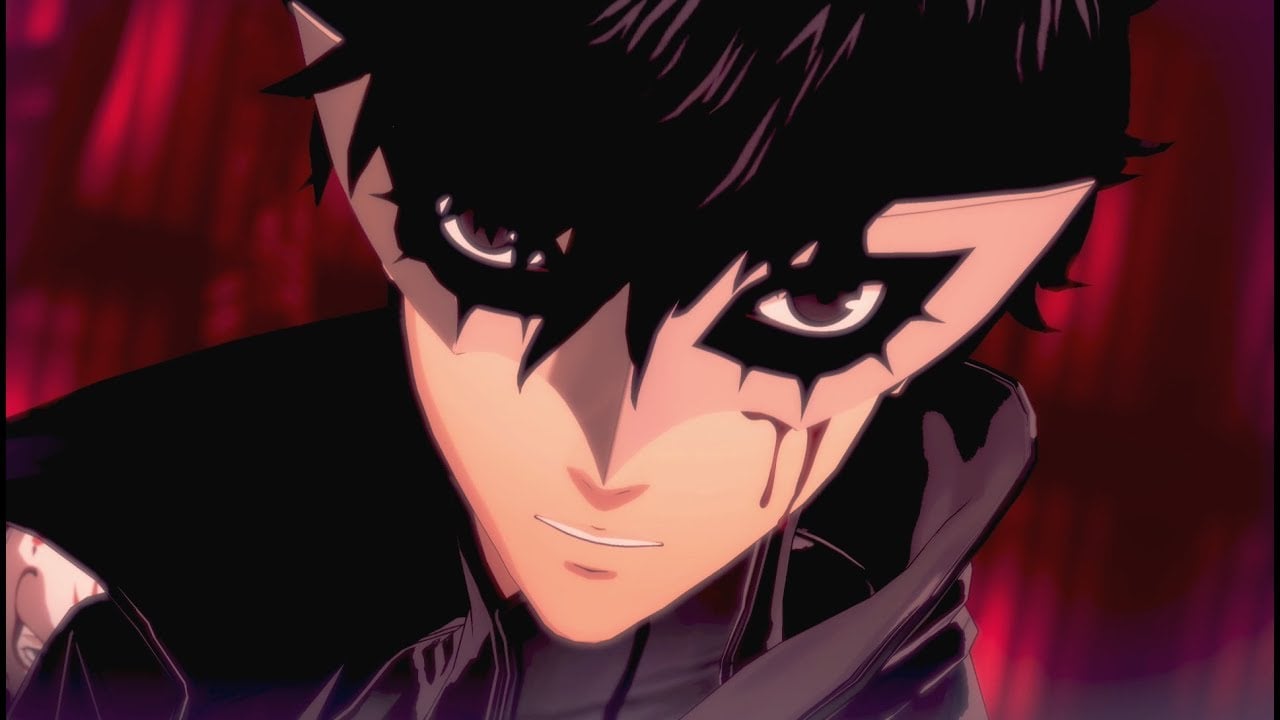
Persona 5 is likely to dominate early speculation because it became a major international success and introduced many players outside Japan to the wider series. Its bold red-and-black design, Phantom Thief imagery, memorable soundtrack, and episodic structure could translate naturally into television. Each major target has a personal Palace shaped by distorted desires, giving a potential season several distinct conflicts while allowing the larger conspiracy to develop in the background. The characters also have clear roles and recognisable personalities, which would help a live-action ensemble establish itself quickly. However, adapting Persona 5 would place enormous expectations on the production. Fans know Joker, Morgana, Ann, Ryuji, and the rest of the Phantom Thieves extremely well. Casting decisions, costume designs, character changes, and even the handling of individual relationships would invite immediate comparison with the game and its animated adaptation. Persona 5 may be the safest commercial choice, but it could also be the most dangerous creatively. Choosing the famous mask means accepting that millions of people already know exactly what they believe should be underneath it.
An Original Story Could Give the Series More Freedom
An original story may offer the strongest long-term foundation for a television production. Persona already supports separate casts and locations, so introducing new students would not automatically conflict with the franchise’s structure. Netflix could create a different city, supernatural realm, central mystery, and set of Personas while retaining familiar ideas such as awakenings, social connections, hidden desires, and the Velvet Room. This approach would also prevent the show from becoming a shortened imitation of a story that works better across dozens of gameplay hours. Television has different rhythms. A relationship that develops through repeated player choices may need to be expressed through carefully written scenes, while a dungeon lasting several hours in a game could become a few minutes of screen time. New characters would allow the writers to build arcs specifically for episodic television. The obvious danger is that the result could feel too disconnected from Persona. An original adaptation cannot simply feature stylish teenagers fighting monsters and assume the name will do the rest. It needs the emotional honesty, symbolic storytelling, and uncomfortable self-reflection that make the games memorable.
Translating Persona’s Two-Sided Structure Into Live Action
Every modern Persona game lives in two worlds. There is the ordinary world of classrooms, neighbourhoods, family problems, friendships, meals, and deadlines. Then there is the hidden world where personal fears and social problems become literal enemies. Players move between these spaces, and the contrast gives both sides meaning. A television adaptation will need to preserve that rhythm without making either half feel like an interruption. Spend too much time on supernatural action and Persona becomes another effects-heavy fantasy show. Spend too much time on school drama and viewers may wonder why the characters occasionally summon mythological beings from their souls. The strongest version would allow both layers to influence each other constantly. A conversation at lunch could reveal the fear that later shapes a supernatural confrontation. A battle could expose something a character has refused to admit in daily life. Persona works because the monsters are rarely just monsters. They are reflections, exaggerations, and emotional wounds wearing theatrical costumes. The show will need to understand that every flashy confrontation should also say something uncomfortable about the people involved.
The Japanese Setting and Cultural Identity Will Be Crucial
Persona’s Japanese identity is woven deeply into its settings, routines, relationships, and social concerns. The train systems, school calendars, neighbourhoods, festivals, family expectations, and forms of social hierarchy are not interchangeable decorations. They influence how the characters behave and why certain conflicts carry so much weight. A live-action adaptation set in Japan with a largely Japanese cast would preserve that foundation most directly. Relocating the story could still work if the production created a thoughtful reinterpretation, but it would also risk removing much of what makes Persona distinct. The series is not merely about teenagers who gain supernatural powers. It is about young people navigating systems that frequently make them feel invisible, powerless, or trapped. Those pressures are expressed through specific cultural details, even when the emotional themes remain universal. The challenge is therefore not to make Persona feel less Japanese for an international audience. It is to make its Japanese setting clear and emotionally accessible without flattening it. Viewers can understand unfamiliar customs when the storytelling respects their intelligence. Nobody needs a character to stare into the camera and explain every train ticket.
Visual Effects and Music Will Need to Support the Characters
Persona is famous for striking visual design, elaborate summon sequences, expressive menus, bold colours, and music that can turn an ordinary walk through the city into something effortlessly cool. A live-action production will inevitably be judged on how it handles Personas, Shadows, alternate worlds, and supernatural battles. These elements will require convincing effects, but technical polish should support the characters rather than overwhelm them. The most important awakenings in the games are powerful because they represent a personal decision. A character confronts fear, anger, shame, or injustice and chooses to stop hiding. The flames and masks look impressive because the emotional moment underneath them has been earned. Music will carry similar responsibility. Persona soundtracks create identity through jazz, rock, pop, hip-hop, and atmospheric compositions that change the mood without losing the franchise’s personality. Reusing familiar themes might please fans, while an original score could give the show its own voice. Either way, the production needs music with confidence. Persona without musical personality would be like a Phantom Thief arriving without a calling card. Technically possible, perhaps, but painfully dull.
No Cast, Production Schedule, or Release Date Has Been Announced
No actors, directors, episode count, filming locations, production schedule, or release window have been reported. Netflix also reportedly declined to comment on the project. That means the live-action Persona series should currently be viewed as a reported development rather than a confirmed programme with a guaranteed release. Television projects often spend a long time in development, and some never move beyond that stage. Scripts may be rewritten, producers may change, and the central concept could evolve before cameras begin rolling. Fans may already be debating casting choices, but there is no indication that performers have been selected. There is also no reliable evidence that Persona 5, Persona 3, Persona 4, or any other specific game has been chosen. Excitement is understandable, yet patience will be useful here. The next meaningful update would likely involve an official Netflix or SEGA announcement, a series order, casting information, or confirmation that production has started. Until then, every dramatic fan poster and suspiciously confident casting rumour should be treated with the same caution you would show a strangely glowing door appearing during the Dark Hour.
Conclusion
The reported Persona live-action series has an experienced group of writers and producers attached, including Christopher Monfette, 21 Laps Entertainment, Story Kitchen, and SEGA’s Toru Nakahara. That team gives the potential adaptation a promising foundation, but almost every important creative question remains unanswered. We do not yet know which game could be adapted, whether the series will tell an original story, where it will be set, who will star, or when it might arrive. The greatest challenge will be preserving Persona’s unusual balance of ordinary life, emotional character development, Japanese culture, psychological symbolism, and supernatural spectacle. A faithful adaptation does not need to reproduce every scene or gameplay mechanic. It does need to understand why players care about spending time with these characters between battles. When Persona is at its best, saving the world and sharing a quiet meal with a friend can feel equally meaningful. Netflix’s reported adaptation will need to capture both sides of that identity before it can truly remove the mask.
FAQs
- Is Netflix making a live-action Persona series?
- A live-action Persona television adaptation is reportedly in development at Netflix. However, Netflix has not formally announced or confirmed the project, so it remains a reported production.
- Who is writing the Persona live-action adaptation?
- Christopher Monfette is reportedly attached as writer, showrunner, and executive producer. His previous television credits include Star Trek: Picard and 9-1-1.
- Will the Netflix series adapt Persona 5?
- No specific Persona game has been confirmed. Persona 5 is a likely subject of speculation because of its international popularity, but the series could adapt another game or tell an original story.
- Who is producing the live-action Persona series?
- 21 Laps Entertainment and Story Kitchen are reportedly involved, while SEGA’s Toru Nakahara is attached as an executive producer alongside Christopher Monfette and other producers.
- Does the Persona Netflix series have a release date?
- No release date or production schedule has been announced. There is currently no confirmed information about filming, casting, episode count, or when the potential series could arrive.
Sources
- ‘Persona’ Live-Action TV Adaptation in the Works at Netflix, 21 Laps & Story Kitchen to Produce, Variety, June 29, 2026
- Persona Could Be Getting the Netflix Live Action Treatment, PC Gamer, June 30, 2026
- Persona Live-Action Show in the Works at Netflix, GamesRadar+, June 30, 2026
- Netflix Is Currently Working on a Persona Live-Action Adaptation, The Magic Rain, July 1, 2026
- Persona 30th Anniversary Website, SEGA, June 14, 2026