



Summary:
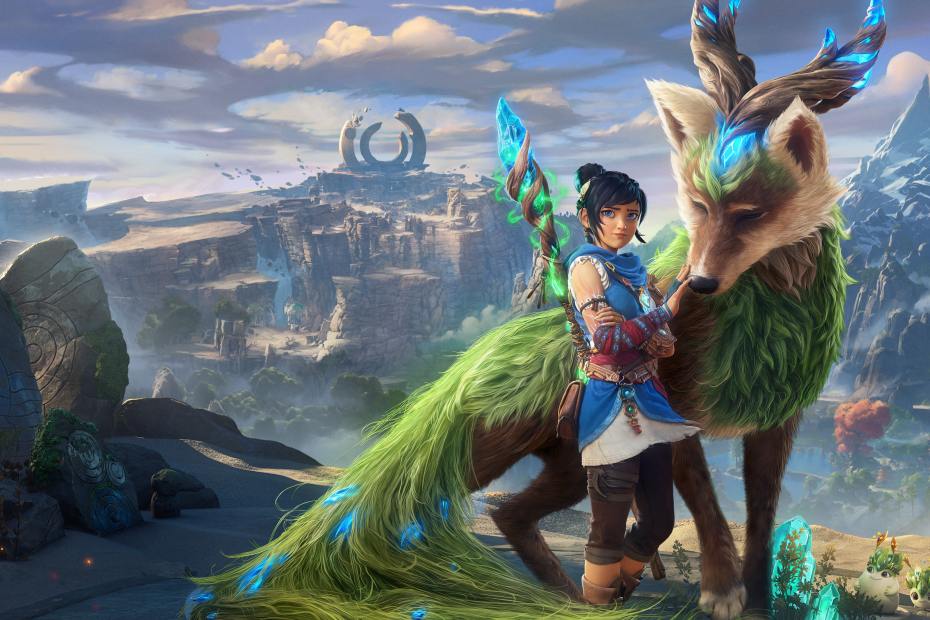
This piece explains why a recent PlayStation teaser has fans asking whether Sony now owns the Kena franchise. The short version: a new promotional video published on PlayStation’s official channels includes on-screen legal text naming Sony Interactive Entertainment as the trademark and copyright holder for Kena: Scars of Kosmora. That single line sparked speculation because earlier official pages and the original reveal trailer credited Ember Lab with IP ownership. At the moment there is no public statement from Sony or Ember Lab confirming an acquisition. This write-up breaks down what the teaser shows, how publishing credits differ from outright ownership, examples of similar publisher arrangements, what this could mean for Ember Lab and Kena fans, and the concrete steps to watch for next. The goal is to give clear, fact-based context so you can judge the claim for yourself while we wait for official confirmation.
What the PlayStation teaser showed about Kena
The PlayStation promotional reel that started this conversation runs like a fast sizzle clip showcasing current and upcoming PlayStation titles. At roughly the 28 second mark viewers noticed tiny legal text that reads something along the lines of Kena: Scars of Kosmora being a trademark of Sony Interactive Entertainment LLC, and a copyright line that lists Sony as the owner. That wording differs from earlier trailers and the game’s official product page, which credited Ember Lab and listed Ember Lab trademarks. Seeing Sony named directly in a piece of on-screen legal copy is what set off alarms for some fans, because legal attributions are often the clearest public clues about who controls an IP. Still, a single line in a marketing reel does not, by itself, prove an acquisition happened. It is a clear signal to investigate further, and it is what the rest of this update focuses on explaining clearly and calmly.
The specific on-screen credits and trademark wording
In small print at the end of the teaser, the on-screen credits include a short copyright line and a trademark notice. Those short lines are usually meant to reflect ownership or publishing arrangements, but they can also be added by a publisher as part of promotional materials when they are financing or distributing a title. The wording spotted by viewers listed Sony Interactive Entertainment as the trademark holder for the Scars of Kosmora name. That contrasts with earlier materials where Ember Lab was explicitly named as the owner of the Kena marks and the game’s characters. The difference is enough to prompt further checks of official pages, trademark registries and developer statements, and it is a perfectly valid reason for fans and outlets to ask whether a transfer of rights occurred or whether this was simply an updated publishing credit.
Why many assume Sony bought the Kena IP
When a publisher’s name starts appearing where a developer’s name used to be, the natural assumption is that ownership changed. Historically, companies that publish or fund a game sometimes secure IP rights as part of their agreement, and in other cases they acquire studios outright. Fans are used to seeing publishers listed as copyright or trademark owners when a title becomes first-party. Because the PlayStation reel explicitly named Sony in the legal text, observers connected that dot to previous examples of publisher ownership and started asking whether Sony now owns the Kena franchise or even Ember Lab itself. That reaction is human and understandable; ownership often shows up first in legal credits. But a change in display credit could also result from a new publishing agreement, updated marketing materials, or even a simple editorial oversight in the ad. Until a formal announcement or a legal filing appears, the teaser remains a strong hint rather than conclusive proof.
Past examples of publisher ownership and IP transfers
There are clear precedents where publishers have taken control of IPs they originally supported. In some cases publishers have retained rights by contract, in others they acquired studios after successful collaborations. The video game industry has multiple examples where a big publisher became the owner of a franchise after funding and publishing earlier entries. Those examples are why observers quickly link a trademark change to an acquisition. However, every case has its own legal trail: press releases, corporate filings, trademark transfers on public registries, and official statements from the parties involved. Without one of those items, a change in on-screen text is notable but not definitive. That is why careful observers check both the teaser and the game’s official pages, as well as public trademark registries and any statements from the developer or publisher.
What official pages show right now
As of this update, the PlayStation store and PlayStation Blog still host official information about Kena: Scars of Kosmora and Ember Lab, and those pages remain a key reference point. The PlayStation blog post that explains the game’s delay and story overview credits Ember Lab as the developer and describes PlayStation’s role as publisher. The official PlayStation product page previously listed Ember Lab with a 2021 and 2026 copyright attribution, and it continued to identify Ember Lab as the owner of the Kena marks. That mismatch between the product pages and the sizzle reel is the practical reason journalists and fans are asking questions, because it is uncommon for an acquisition to be silently reflected in a single ad without corresponding updates elsewhere. For readers who follow rumors and legal notices, it is also useful to bookmark reliable rumor hubs like our Nintendo Rumors page for related chatter, though this specific matter involves PlayStation and Ember Lab rather than Nintendo.
Publishing credits versus legal ownership explained
There is a clear difference between publishing credits and legal ownership. A publisher can be listed on marketing materials as the publisher or even the distributor without actually owning the IP. Legal ownership, meaning who holds the copyright and trademarks, is established through contracts and filings. Publishers sometimes secure exclusive publishing rights for consoles or regions, and they may have clauses that give them the option to buy the IP later. When a publisher is credited in marketing text, it could indicate any of several arrangements: exclusive publishing, deeper financing, or full acquisition. For clarity, the only definitive signs of an acquisition are official corporate announcements, developer statements confirming the sale, or public trademark transfers recorded in relevant registries. Until one of those appears, assume the teaser is a strong lead worth watching, not a definitive sale document.
What this could mean for Ember Lab and Kena fans
If Sony did acquire the Kena IP, implications range from platform exclusivity questions to creative control shifts and long-term support for the franchise. A Sony ownership scenario could mean tighter PlayStation integration, larger budgets for sequels, and potentially fewer console platforms for future releases. For Ember Lab, options depend on the deal terms: the studio might remain independent and continue creating Kena games under Sony ownership, it could be absorbed as a PlayStation studio, or Ember Lab could license the current game while retaining some creative independence. For fans, the real concerns are usually platform access, future story direction, and whether the studio culture will stay intact. None of those outcomes are certain; every acquisition or publishing partnership looks different in practice, and history shows both positive and negative outcomes for small studios that work with major publishers.
Platform availability and fan concerns
One immediate question fans raise is whether Kena will stay on multiple platforms, like PC, or become PlayStation exclusive. Publishing deals can restrict platforms temporarily or permanently, but many modern arrangements still allow PC releases alongside consoles. The teaser credited Sony in the trailer for PlayStation marketing, yet earlier materials and developer statements included PC availability. Until a public change is announced, the safest assumption is that previously confirmed platforms remain planned. Fans should watch official storefront listings and developer posts for concrete changes. Meanwhile it is reasonable to track public trademark filings for any transfer notices, because trademark registries are the legal trail that typically confirms ownership transfers and can be checked independently.
Conclusion
The PlayStation teaser’s legal lines make a strong hint that Sony’s role with Kena is more than just publisher, but a single on-screen credit is not proof of an acquisition by itself. Official pages currently still name Ember Lab in some places, and neither Sony nor Ember Lab has publicly confirmed a sale. For now, the teaser is an important clue that merits follow-up: check for corporate statements, trademark registry updates, and official developer posts. Fans should consider this an evolving story rather than a settled fact and keep an eye on official channels for confirmation. NintendoReporters will update readers if and when concrete evidence or statements are published.
FAQs
- Did Sony officially buy Ember Lab?
- No official confirmation has been issued by Sony or Ember Lab; the teaser only shows updated on-screen legal text that suggests Sony is listed as a trademark or copyright holder for Kena: Scars of Kosmora.
- Does this mean Kena will be PlayStation exclusive?
- Not necessarily; previous listings still show PC as a platform. An updated marketing credit does not automatically remove other platforms. Wait for official platform updates from the developer or publisher.
- Where can I check if the trademark changed hands?
- Public trademark registries and official corporate filings are the best sources. Journalists typically monitor trademark offices and official statements for confirmation.
- Could the teaser text be a mistake?
- Yes. Marketing materials occasionally include outdated or incorrect legal text. That possibility is one of the reasons this item needs verification through official channels.
- What should fans do now?
- Follow official PlayStation and Ember Lab channels, watch for press releases, and check reliable news outlets and trademark databases. Bookmark rumor hubs like our Nintendo Rumors for context, but rely on verified statements for final answers.
Sources
- Kena: Scars of Kosmora launches 2027, Ember Lab shares story overview, PlayStation.Blog, October 1, 2026
- PlayStation Ad Sparks Sony Kena Buyout Rumors, Power Up Gaming, October 20, 2026
- Kena: Scars of Kosmora Teaser Shows SIE Copyright — What Ember Lab Fans Need to Know, Nintendo News Hub, October 21, 2026
- Sony may have quietly acquired the ‘Kena’ IP, KitGuru, October 21, 2026