














Summary:
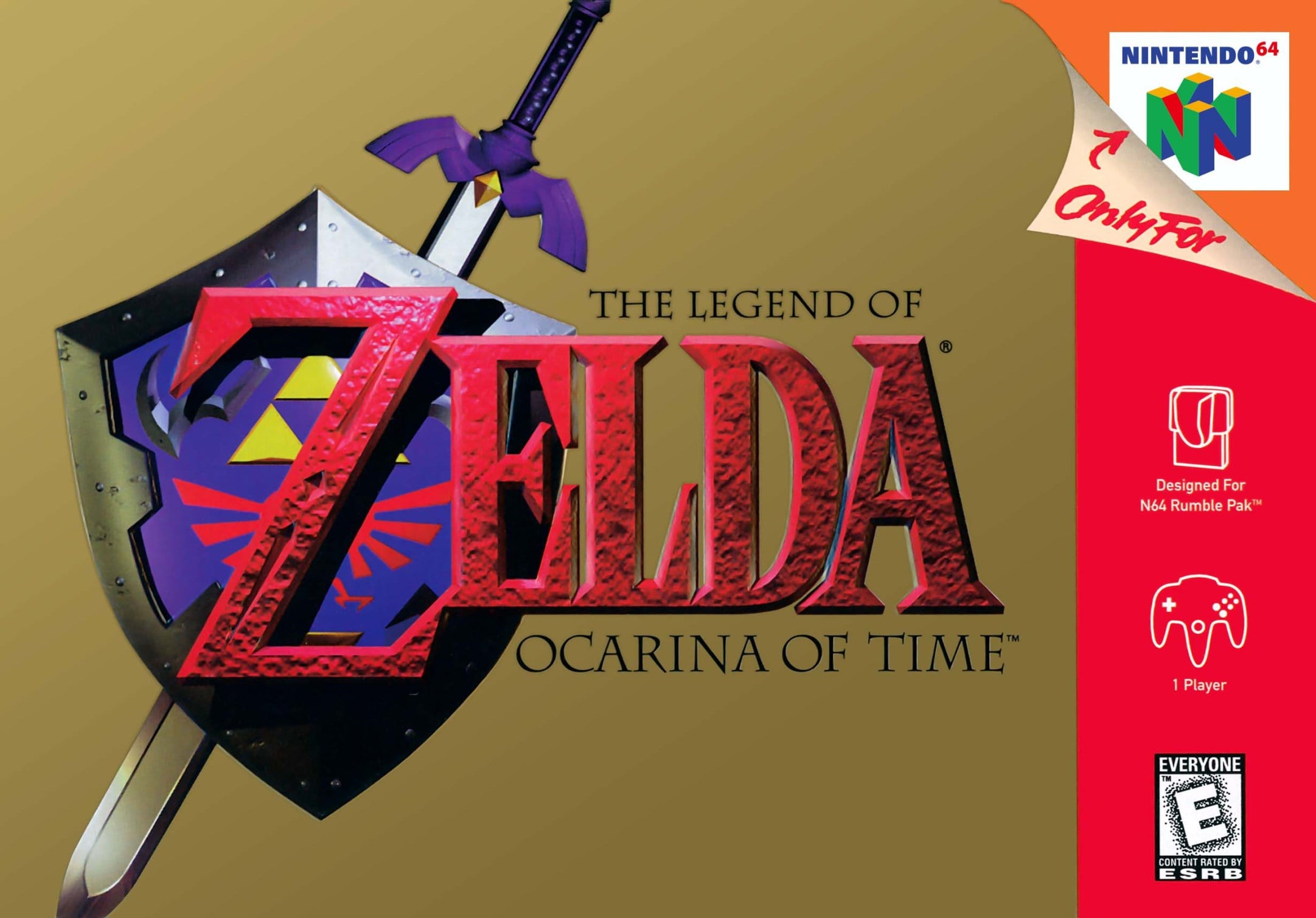
The Legend of Zelda: Ocarina of Time is back in the rumor mill, and this time the conversation is bigger than a simple visual upgrade. A new round of claims says that Nintendo may be preparing a full remake for Nintendo Switch 2, reportedly built from scratch rather than polished up from an older version. The rumor also suggests that Monolith Soft may be involved in development support, that Nintendo could reveal the project during a June Direct, and that the remake might be planned for release near the end of 2026. The boldest part of the discussion is the idea that the remake could potentially be split into two parts, with one focused on Child Link and the other centered on Adult Link. That specific claim sounds more speculative than firm, so it needs a careful hand rather than a giant hype cannon fired straight into Hyrule Field. Still, the larger rumor has caught attention because NateDrake had already talked about an Ocarina of Time remake for Switch 2, and Nash Weedle has now added more alleged details. Nothing has been announced by Nintendo, so the safest read is cautious interest. If true, though, this would be one of the most important Zelda releases in years, not just because Ocarina of Time is beloved, but because remaking it properly would require Nintendo to respect one of gaming’s most sacred cows while also making it feel natural for a modern audience.
Ocarina of Time remake rumors return with fresh Switch 2 claims
The Legend of Zelda: Ocarina of Time has never really left the conversation, has it? Even decades after its Nintendo 64 debut, it still sits in that rare group of games people talk about with a mixture of admiration, nostalgia, and protective panic. Now, the classic adventure is back in the spotlight thanks to fresh claims about a possible remake for Nintendo Switch 2. The latest rumor says this would not be a modest remaster or a light touch-up, but a remake built from scratch for Nintendo’s newer hardware. That alone is enough to make longtime fans sit up straighter, because Ocarina of Time is not just another Zelda entry. It is the game that helped define 3D adventure design, lock-on combat, cinematic dungeon pacing, and time-travel storytelling for a whole generation.
Why the latest claims should be treated carefully
The excitement is understandable, but the brakes matter here. The new information comes from Nash Weedle, whose reliability has been debated often enough that the rumor should not be treated as confirmation. That does not mean every claim should be dismissed outright, but it does mean we should separate what is being reported from what is being guessed. Nintendo has not announced an Ocarina of Time remake for Switch 2, has not confirmed Monolith Soft’s involvement, and has not said anything about a June reveal or a release window. The healthiest way to approach this rumor is simple: enjoy the possibility, examine the details, and leave room for Nintendo to do what Nintendo usually does, which is say nothing until it is ready to drop the curtain.
What Nash Weedle says about the rumored remake
Nash Weedle’s latest claims paint the rumored project as something much larger than a nostalgia re-release. According to the rumor, the remake is supposedly being built specifically for Nintendo Switch 2 from the ground up. Weedle also claims he first heard about the project in 2022 but chose not to share it at the time. Another key point is the alleged involvement of Monolith Soft, the studio best known for Xenoblade and for assisting Nintendo on major projects, including modern Zelda work. The rumor further suggests a June Nintendo Direct announcement and a release near the end of 2026. That is a lot to place on the table at once, especially when none of it has been confirmed through official channels.
How NateDrake’s earlier rumor shaped the conversation
The reason this rumor has not vanished into the fog is that it connects with earlier claims from NateDrake, also known as NateTheHate. NateDrake previously said that an Ocarina of Time remake was planned for Nintendo Switch 2, placing the project in the second half of 2026 and describing it as a remake rather than a basic remaster. That earlier rumor created the foundation for the current wave of discussion, while Nash Weedle’s comments add more specific details around development, support staff, timing, and possible structure. The important distinction is that added detail does not automatically mean added certainty. A rumor can become louder without becoming safer, and Zelda fans know better than most how quickly a whisper can turn into a full Hyrule market riot.
Why a Switch 2 rebuild would be such a big deal
A true Switch 2 rebuild would change expectations immediately. Ocarina of Time has already returned in multiple forms, including the well-regarded Nintendo 3DS version, but a from-scratch remake would imply a very different ambition. It could mean redesigned environments, expanded character animation, revised combat flow, modern camera behavior, new lighting, fuller towns, and more expressive storytelling. That does not mean Nintendo would need to turn Kokiri Forest into a sprawling open-world zone or give every cucco a tragic backstory, charming as that chaos sounds. The bigger opportunity would be to preserve the structure and emotional rhythm of the original while making Hyrule feel tactile, alive, and readable on modern hardware. Done well, a Switch 2 version could introduce the game to new players without sanding away the strange, fairy-tale mood that made it unforgettable.
Monolith Soft’s rumored role and why fans are paying attention
The Monolith Soft detail is one of the most interesting parts of the rumor because it feels believable in broad strokes, even if this specific claim remains unconfirmed. Monolith Soft has become closely associated with large-scale world design, environmental density, and technical support across Nintendo projects. If the studio were assisting on an Ocarina of Time remake, fans would naturally wonder whether Hyrule Field, Death Mountain, Zora’s Domain, and the Lost Woods might gain more atmosphere and scale. Still, support work can mean many things. It might involve environment production, technical assistance, asset creation, planning, or something far smaller than fans imagine. The name alone should not be treated as proof of a massive reimagining, but it does explain why the rumor has gained so much traction.
The June Direct claim and Nintendo’s usual silence
The rumor also points toward a June Nintendo Direct reveal, which sounds tidy on paper because June has often been a major period for Nintendo announcements. Still, Nintendo’s schedule is Nintendo’s schedule, and trying to predict it can feel like trying to catch a fairy in a bottle while wearing oven mitts. The company tends to reveal games when it can control the full message, especially when the project is tied to one of its biggest franchises. A Zelda remake would not be tossed out casually. If Nintendo really has a Switch 2 version of Ocarina of Time ready to show, the reveal would likely be framed as a major moment, not a footnote between smaller announcements.
The end-of-year release claim and why timing matters
A possible release near the end of 2026 would make sense from a business perspective, but that does not make it confirmed. Zelda is one of Nintendo’s strongest names, and Ocarina of Time is one of the few remakes that could generate attention far beyond the usual fanbase. A late-year launch would place it in a strong seasonal window, especially for Switch 2 owners looking for a major adventure. It would also give Nintendo a powerful heritage release while the wider Zelda brand continues to grow through games, merchandise, and the live-action film project. The risk is that a remake of this size would need polish. If Nintendo is truly rebuilding Ocarina of Time, it cannot afford to make Hyrule feel rushed, hollow, or strangely stretched.
The two-part remake idea involving Child Link and Adult Link
The most dramatic part of the rumor is the idea that the remake could be split into two releases, with one part focused on Child Link and the other focused on Adult Link. That claim should be handled with extra caution because it appears to be more speculative than the core remake rumor. Ocarina of Time naturally has a divided structure, with the early portion built around childhood discovery and the later portion centered on a darker, ruined Hyrule. On paper, that split creates an easy comparison point. In practice, though, dividing the game would be a huge creative decision. The original works because the jump across time is sudden, haunting, and personal. Stretching that structure across two separate releases could either deepen the story or weaken its momentum.
Why the Final Fantasy VII Remake comparison is complicated
The comparison to Final Fantasy VII Remake is attention-grabbing, but it needs context. Square Enix took Final Fantasy VII and transformed it into a multi-part, heavily expanded project with major combat changes, new story material, and a different sense of scale. Ocarina of Time could theoretically be expanded in a similar way, but Zelda is built differently. Its pacing depends on quiet discovery, dungeon rhythm, musical progression, and a clear adventure arc. A multi-part structure might give Nintendo more room to flesh out Hyrule, but it could also invite unnecessary padding. Nobody wants a three-hour side quest where Link files paperwork for the Happy Mask Shop. The magic of Ocarina of Time comes from mystery and momentum, not just size.
What a faithful modern Ocarina of Time could improve
If this remake is real, the best version would probably not be the biggest version, but the smartest one. Modern controls could make aiming, movement, camera work, and item management smoother without changing the soul of the adventure. Hyrule Field could feel more alive without becoming overcrowded. Castle Town could gain more personality while keeping its storybook charm. Dungeons could preserve their layouts while improving readability, atmosphere, and enemy behavior. Boss fights could be more expressive without becoming noisy spectacle. The 3DS remake already showed that careful upgrades can make Ocarina of Time feel fresh without rewriting its identity. A Switch 2 remake would have the chance to go further, but restraint would matter just as much as ambition.
Why Nintendo has to balance nostalgia with restraint
Remaking Ocarina of Time is not like remaking a forgotten cult favorite. This is sacred ground for many players, which makes every decision feel louder. Change too little, and the remake risks feeling unnecessary. Change too much, and fans may feel like the original’s eerie stillness, dreamlike pacing, and old-world charm have been replaced by noise. Nintendo would need to walk a narrow bridge over a very loud canyon. Better visuals alone would not be enough, but a total reinvention could miss the point. The ideal approach would respect why players still remember stepping into Hyrule Field for the first time, hearing the ocarina songs, meeting Sheik, and feeling the world shift after pulling the Master Sword.
What fans should take away from the rumor for now
For now, the safest takeaway is that Ocarina of Time remake talk is gaining momentum, but it remains unconfirmed. Nash Weedle’s claims add flavor, NateDrake’s earlier comments add context, and the Switch 2 angle gives the rumor a clear shape. Still, none of that replaces an official Nintendo announcement. The two-part idea should be treated with the most caution, while the broader remake rumor remains the part fans are watching most closely. If Nintendo does reveal the project in June, the reaction will be enormous. If it does not, the rumor will likely continue circling Hyrule like Kaepora Gaebora refusing to let anyone skip the explanation.
Conclusion
The latest Ocarina of Time remake rumor is exciting because it imagines one of Nintendo’s most important adventures rebuilt for Switch 2 with modern scope and possible development support from Monolith Soft. It is also risky territory because the details remain unofficial, and some parts, especially the two-part Child Link and Adult Link idea, sound more speculative than settled. A full remake could be a landmark moment if Nintendo preserves the original’s heart while carefully modernizing how it looks, feels, and flows. Until Nintendo speaks, though, the best approach is cautious optimism. Hyrule may be calling again, but the door of time has not officially opened yet.
FAQs
- Is The Legend of Zelda: Ocarina of Time remake confirmed for Nintendo Switch 2?
- No, Nintendo has not confirmed an Ocarina of Time remake for Nintendo Switch 2. The current discussion is based on rumors and claims from leakers, so it should be treated carefully until Nintendo makes an official announcement.
- Who first talked about the rumored Ocarina of Time remake?
- NateDrake previously discussed the possibility of an Ocarina of Time remake for Switch 2, describing it as a remake rather than a simple remaster. Nash Weedle has now added more alleged details, including development claims and possible timing.
- What did Nash Weedle claim about the remake?
- Nash Weedle claimed that the remake is being built from scratch for Nintendo Switch 2, that he had heard about it back in 2022, that Monolith Soft may be helping with development, and that Nintendo could reveal it during a June Direct.
- Could the Ocarina of Time remake really be split into two parts?
- That idea should be treated as highly uncertain. The claim suggests one part could focus on Child Link and another on Adult Link, but this appears more speculative than the broader remake rumor and has not been confirmed by Nintendo.
- Why are fans comparing the rumor to Final Fantasy VII Remake?
- The comparison comes from the idea that Nintendo could heavily expand Ocarina of Time rather than simply recreate it with better visuals. Still, Zelda and Final Fantasy are built very differently, so a similar release structure would be a major creative choice.
Sources
- Leaker claims Zelda Ocarina of Time Remake could be split into two parts, My Nintendo News, May 6, 2026
- Nintendo Reportedly Building Zelda: Ocarina of Time Remake From Scratch and New 2D Game for Franchise’s 40th Anniversary Blitz, Wccftech, May 6, 2026
- The Legend of Zelda: Ocarina of Time remake “all but confirmed,” fans conclude following Switch 2 Star Fox announcement, GamesRadar+, May 8, 2026
- The Legend of Zelda: Ocarina of Time, Nintendo, July 2, 2015
- The Legend of Zelda: Ocarina of Time 3D, Nintendo, June 17, 2011