














Summary:
Capcom appears to be leaning harder into one of its greatest strengths: the enormous library of franchises it has built over several decades. Its recent financial materials point toward a strategy centered on developing leading brands through sequels, remakes, ports and new ideas. That matters because Capcom is not short on names that still carry weight. Mega Man, Devil May Cry, Onimusha, Okami, Ace Attorney, Dead Rising and Dragon’s Dogma all have loyal audiences, and many of those players have spent years waiting for a stronger sign that Capcom still sees long-term value in them. The company’s recent moves suggest that those hopes are no longer floating in space like an abandoned save file. Okami has a sequel in motion, Onimusha is returning with a new entry, and Devil May Cry 5: Devil Hunter Edition has been rated for Nintendo Switch 2 in Taiwan, even though Capcom has not formally announced that version. Together, these signals make Capcom’s direction feel clearer. Rather than relying only on Resident Evil, Monster Hunter and Street Fighter, Capcom seems ready to treat more of its well-known names as active parts of its future. That does not mean every dormant series is guaranteed to return, but it does make the door feel much more open than it has in years.
Capcom is putting its strongest franchises back in the spotlight
Capcom has spent years proving that a familiar name can still feel fresh when it is handled with care. Resident Evil found new life through both modern remakes and new mainline entries, Monster Hunter became a global powerhouse, and Street Fighter continues to command attention in the fighting game scene. Now, the company’s broader message is that more of its brands can become part of that same rhythm. That is a big deal because Capcom owns the kind of catalog most publishers would guard like a treasure chest in a final dungeon. Mega Man, Devil May Cry, Onimusha, Okami, Ace Attorney, Dead Rising and Dragon’s Dogma are not small footnotes. They are names with history, style, memorable characters and communities that still show up whenever there is even the smallest hint of movement.
Why Capcom’s older series still matter so much
Older Capcom franchises matter because they are not just products from another generation. They are emotional landmarks for players who grew up with blue bombers, stylish demon hunters, courtroom drama, painterly wolves and samurai horror. When a company has that kind of history, every dormant series becomes a sleeping giant. Some may be bigger than others, sure, but even the quieter ones can roar if the timing is right. Capcom’s advantage is that many of these franchises already have clear identities. Mega Man is precise action. Devil May Cry is stylish combat with theatrical swagger. Okami is mythic beauty wrapped in adventure. Onimusha is historical fantasy with sharp steel and supernatural tension. That makes revival easier to understand because each name already tells players what kind of feeling they are being invited back into.
Capcom’s strongest names give players instant recognition
Recognition is powerful in games because players are always juggling time, money and attention. A new release from an established series gets a head start because people already understand the flavor. They know whether they are walking into fast action, cinematic horror, colorful platforming or dramatic adventure. That does not mean Capcom can simply dust off a logo and call it a day. Players can spot lazy nostalgia from a mile away. Still, a strong name gives Capcom a bridge between past and present. It can welcome long-time fans while also giving newer players an easy entry point. When handled well, that bridge feels less like a museum rope and more like an open door.
Sequels, remakes and ports give Capcom several ways forward
The interesting part of Capcom’s strategy is that it does not rely on just one type of release. A sequel can push a series forward with new mechanics, new stories and a fresh creative identity. A remake can rebuild a beloved classic for players who missed it the first time, while giving returning fans a reason to experience it again. A port can bring an existing game to a new audience, especially when a new platform creates demand for software quickly. Each path has a different purpose. Sequels create momentum. Remakes restore relevance. Ports widen reach. Put together, they give Capcom a flexible toolkit, and that flexibility matters in a market where player habits change faster than a speedrunner finding a new skip.
Different franchises need different revival strategies
Not every series should return in the same way. Mega Man might benefit from a new entry that respects its classic structure while offering modern upgrades. Onimusha can lean into a full new installment because its samurai horror identity has plenty of room to evolve. Okami needs patience, artistry and a strong creative hand because its appeal is tied so closely to atmosphere and visual personality. Devil May Cry, on the other hand, already has a modern action masterpiece in Devil May Cry 5, so a new platform release could make immediate sense before any larger follow-up appears. Capcom’s challenge is choosing the right path for the right franchise instead of forcing every series into the same mold.
Ports can act as a low-risk bridge to bigger plans
Ports often sound less exciting than brand-new games, but they can be surprisingly important. When a game comes to a new platform, it tells Capcom whether there is still appetite for that series among a fresh group of players. It can also prepare the ground for future releases by putting the franchise back into conversation. That is especially useful for a series like Devil May Cry, where the latest main entry is already polished, popular and well-suited to being rediscovered. A port does not have to be the final destination. It can be the bridge that gets more people interested before the next larger move arrives.
Nintendo Switch 2 could become a major part of Capcom’s plans
Nintendo Switch 2 gives Capcom an obvious opportunity. A new console needs strong support, and Capcom has the kind of catalog that can fill gaps in several different ways. Big releases can show technical ambition, while ports and collections can help build a rich library. For Nintendo players, Capcom’s presence has always had a certain charm because many of its series have history on Nintendo hardware. Mega Man is practically woven into Nintendo memories for many fans, while older Capcom titles have often found second lives through handhelds, collections and re-releases. Switch 2 gives Capcom another chance to meet players where they are, especially if the hardware can support more ambitious modern ports.
Devil May Cry on Switch 2 would make practical sense
Devil May Cry 5 is already a proven action game with strong name recognition, and a Switch 2 version would give Nintendo players access to one of Capcom’s flashiest modern releases. The rating for Devil May Cry 5: Devil Hunter Edition in Taiwan does not equal a formal announcement, but classification listings often appear before official reveals. The important thing is to keep the wording careful: the rating shows that the title has appeared through Taiwan’s rating system, not that Capcom has fully detailed the release. Even so, the possibility fits Capcom’s broader strategy. A stylish action title like Devil May Cry 5 could help strengthen Switch 2’s third-party library while giving Capcom another platform for a well-liked game.
Devil May Cry 5: Devil Hunter Edition keeps the conversation moving
Devil May Cry 5 remains one of Capcom’s most respected modern action games. Its combat is fast, expressive and almost musical when everything clicks. You are not just attacking enemies. You are juggling them, styling on them and trying not to look like you forgot which button does what. That kind of game benefits from being available on as many capable platforms as possible because every new audience can discover why fans still talk about it with such energy. The reported Devil Hunter Edition rating for Switch 2 has therefore become a natural talking point. It suggests that Capcom may see value in keeping Devil May Cry visible, even before any future mainline announcement.
A rating is not the same as a full reveal
It is important to separate confirmed facts from hopeful guessing. Devil May Cry 5: Devil Hunter Edition has been rated for Switch 2 in Taiwan, according to reporting based on the Taiwan Digital Game Rating Committee listing. That is a real development, but Capcom has not yet shared an official release date, trailer or feature breakdown for that version. That distinction matters because players deserve clarity, not rumor dressed up as certainty. The safest reading is that the rating strengthens the possibility of a Switch 2 release, while the final details still need to come from Capcom. Until then, it remains a strong signal rather than a finished announcement.
The Devil May Cry name still carries serious weight
Devil May Cry has the kind of identity that does not blend into the background. It is loud, sharp, stylish and proudly over the top. Dante, Nero and Vergil are not characters who quietly enter a room. They kick the door open, pose dramatically and somehow make it work. That personality helps the series stay memorable even during quieter years. If Capcom wants to grow older franchises into stronger long-term brands, Devil May Cry is one of the clearest candidates. It has modern credibility, recognizable characters, and a combat system that still feels distinctive in a crowded action market.
Mega Man, Onimusha and Okami show Capcom’s wider approach
Capcom’s current direction is not only about Devil May Cry. Mega Man, Onimusha and Okami all show different sides of the company’s franchise strategy. Mega Man represents a long-running action legacy with enormous nostalgic pull. Onimusha brings back a darker, sharper action identity that has been quiet for far too long. Okami offers something more poetic, with a style that still feels unlike almost anything else in games. These names do not all speak to the same audience, and that is exactly why they matter. Capcom can build a wider release slate by letting each franchise serve a different mood, rather than asking one series to carry every kind of player expectation.
Okami’s return feels especially meaningful
Okami’s sequel is one of Capcom’s most emotionally interesting revivals because the original game has built a reputation that goes beyond sales charts. Players remember it for its painterly world, its warmth, its music and its unusual sense of beauty. Bringing it back is not as simple as making the wolf run faster or adding shinier effects. The sequel has to preserve a feeling. That is delicate work, like restoring an old painting without sanding off the brushstrokes that made it special. With Hideki Kamiya returning and Clovers involved, the project already carries a strong creative hook, though it is still early enough that patience is needed.
Onimusha gives Capcom a different flavor of revival
Onimusha offers a sharper contrast. Where Okami is graceful and dreamlike, Onimusha is bloody, tense and built around supernatural samurai action. A new Onimusha gives Capcom the chance to revisit a series that once felt like a major pillar, while also reintroducing it to players who may only know the name from older conversations. That kind of revival can be powerful because it does not need to chase current trends too aggressively. The core idea already works: historical atmosphere, swordplay, demons and cinematic tension. If Capcom modernizes the feel without losing the old flavor, Onimusha could return with real force.
Mega Man remains one of Capcom’s most recognizable icons
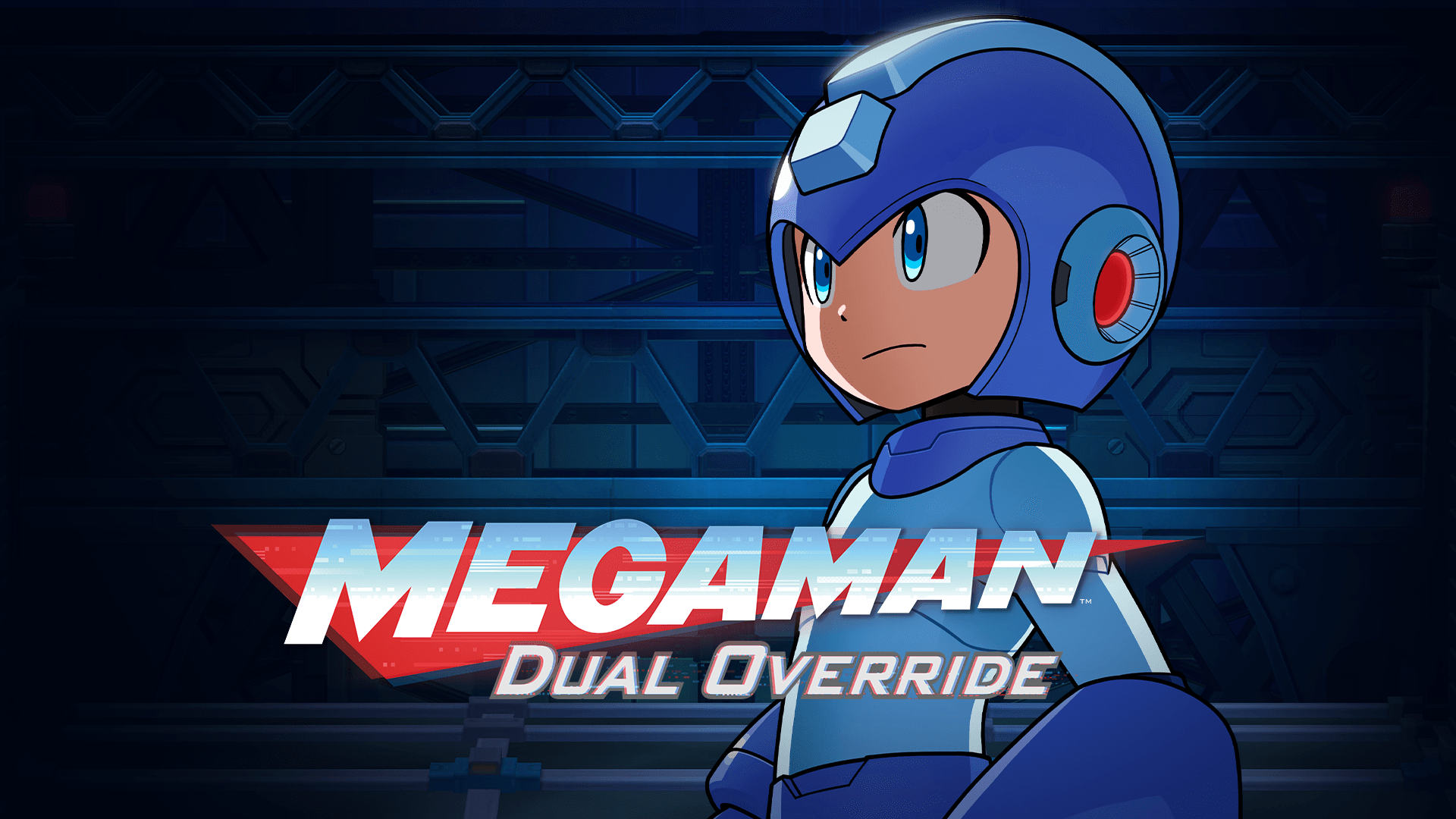
Mega Man is still one of Capcom’s most instantly recognizable characters, even after long stretches without major new entries. The blue armor, the Mega Buster and the classic stage-based structure remain part of gaming memory. That kind of icon does not fade easily. The challenge is that Mega Man fans often know exactly what they want, and they can be very particular about difficulty, controls, level design and visual style. A revival needs confidence and precision. Done well, Mega Man can feel timeless. Done poorly, it can feel like a missed jump over spikes. Nobody wants that.
Capcom is balancing nostalgia with modern expectations
Nostalgia is useful, but it is not enough on its own. Players may love old franchises, but they also expect modern polish, smart quality-of-life updates and design choices that respect their time. Capcom has already shown with Resident Evil that it can update beloved material without simply copying the past. That experience gives the company a strong foundation for other series. Still, every franchise has its own pressure points. Change too little, and the return can feel dusty. Change too much, and long-time fans may wonder where the heart went. The sweet spot is somewhere in the middle, where the old spirit survives but the experience feels ready for modern players.
Good revivals need more than familiar names
A familiar name can get people to look, but the actual game has to keep them there. That is where Capcom’s execution matters most. Remakes need to understand why the original worked. Sequels need to justify their existence with ideas that feel natural rather than forced. Ports need performance, features and pricing that make sense. Players are not asking Capcom to put old logos in a glass case. They want those worlds to breathe again. That is a higher bar, but Capcom has the talent and history to clear it when the right teams, budgets and creative goals line up.
Why ports can be more important than they first appear
Ports are sometimes treated like side dishes, but they can quietly shape the future of a franchise. When a game lands on new hardware, it can refresh awareness, attract younger players and test demand without the risk of building a full sequel from scratch. For Switch 2, that could be especially useful. A well-timed Capcom port can give Nintendo players more variety while helping Capcom measure interest in series that might deserve bigger investments later. Think of it like planting seeds. Not every seed becomes a giant tree, but without planting, nothing grows at all.
Capcom’s catalog gives it unusual flexibility
Capcom can choose from horror, action, platforming, adventure, fighting games, courtroom drama and more. That gives it more freedom than publishers tied to only one or two major genres. If one part of the market is crowded, Capcom can lean into another. If players are hungry for character action, Devil May Cry is there. If they want stylish adventure, Okami can answer. If they want arcade-like precision, Mega Man still has a voice. That range gives Capcom room to experiment while still working with names people already understand. It is a rare position, and it could become even more valuable as development costs continue to rise.
Fan demand gives Capcom a powerful signal
Fans have been asking for the return of many Capcom series for years, and that demand is not meaningless. Companies pay attention when certain names keep trending, keep selling through collections or keep inspiring discussion long after their last major releases. Of course, demand alone does not guarantee anything. Plenty of beloved series still sit on the shelf because timing, resources and business priorities do not always line up. Still, fan enthusiasm can help show where emotional value exists. When players keep asking for Mega Man, Devil May Cry, Okami, Onimusha, Dino Crisis or Ace Attorney, they are basically waving little flags that say, yes, this still matters.
Not every requested series is currently part of the same push
One important detail is that Capcom’s visible strategy does not confirm every fan-favorite revival. Some series remain outside the clearest current signals, even if players keep asking for them. That includes names that often appear in wish lists, such as Dino Crisis, Darkstalkers and Breath of Fire. Those franchises still have passionate fans, but passion and production are not the same thing. The healthier way to read Capcom’s plans is to see them as a broader opening of the vault, not a promise that every dusty door will swing open immediately. Hope is welcome, but measured hope ages better than overhyped certainty.
Capcom’s next moves could reshape several beloved series
Capcom is in a strong position because it does not need to choose between old and new. It can keep building current heavy hitters while giving older names more chances to breathe. That balance could make the next few years especially interesting. A Switch 2 port of Devil May Cry 5 would fit the company’s multiplatform logic. New projects tied to Onimusha and Okami show that Capcom is willing to revive series with very different personalities. Mega Man’s continued visibility reminds everyone that classic icons still have commercial and emotional power. If Capcom keeps choosing carefully, its back catalog could become less like a storage room and more like a stage full of returning performers.
The smartest strategy is careful momentum
Capcom does not need to rush every franchise back at once. In fact, that would probably be the wrong move. Too many revivals arriving without enough care could dilute the impact and stretch creative teams thin. A better approach is steady momentum: one thoughtful return here, one strong port there, one remake when the timing makes sense, and one sequel when the creative case is clear. That kind of pacing gives each series room to be noticed. It also helps Capcom avoid turning beloved names into background noise. Nostalgia works best when it feels like a reunion, not a conveyor belt.
Capcom’s future looks stronger when more franchises are active
A healthier Capcom catalog means more variety for players and less pressure on only a few giant franchises. Resident Evil, Monster Hunter and Street Fighter are still hugely important, but Capcom becomes more exciting when its other names also have room to grow. A company with active Mega Man, Devil May Cry, Onimusha, Okami, Ace Attorney, Dragon’s Dogma and Dead Rising possibilities feels far more dynamic than one that only revisits the safest bets. That variety is good for fans, good for platform holders and good for Capcom’s long-term identity. After all, a publisher with this many memorable worlds should not keep too many of them locked away.
Conclusion
Capcom’s recent direction suggests that its classic franchises are becoming more important to its future again. The company is clearly interested in using sequels, remakes, ports and new ideas to strengthen its leading brands, and that could be great news for players who have spent years waiting for older favorites to return. Devil May Cry 5: Devil Hunter Edition being rated for Switch 2 in Taiwan adds more fuel to the conversation, while Okami and Onimusha already show that Capcom is willing to bring back names that once felt quiet. The key now is care. Capcom has the history, characters and worlds to make these revivals matter, but the magic only works when each return feels thoughtful. If the company keeps balancing nostalgia with modern expectations, its next chapter could be packed with familiar faces that feel exciting all over again.
FAQs
- What is Capcom’s current franchise strategy?
- Capcom is focusing on using its established franchises through sequels, remakes, ports and new projects. Its recent financial materials point to leading brands becoming an important engine for future growth.
- Has Devil May Cry 5 been confirmed for Nintendo Switch 2?
- Devil May Cry 5: Devil Hunter Edition has been rated for Nintendo Switch 2 in Taiwan, but Capcom has not yet made a full official announcement with release details.
- Which Capcom franchises are currently getting attention?
- Mega Man, Devil May Cry, Onimusha, Okami, Ace Attorney, Dead Rising and Dragon’s Dogma have all been part of recent discussion around Capcom’s broader franchise plans.
- Why are ports important for Capcom?
- Ports help Capcom bring existing games to new audiences, test demand on newer platforms and keep franchises visible between larger releases.
- Does Capcom’s strategy mean every dormant series will return?
- No. Capcom’s strategy makes more revivals possible, but it does not confirm that every requested series will receive a sequel, remake or port.
Sources
- Capcom Says It Will Continue To Nurture Its “Leading Brands” With Sequels, Remakes And Ports, Nintendo Life, May 2026
- Capcom focussed on making sequels, remakes, ports for legendary franchises, My Nintendo News, May 13, 2026
- Devil May Cry 5 Devil Hunter Edition rated for Switch 2 in Taiwan, Gematsu, March 26, 2026
- Capcom Wants to Nurture Old IP Like Devil May Cry, Ace Attorney With “Sequels, Remakes, Ports”, GamingBolt, May 13, 2026
- Okami is getting a sequel, The Verge, December 13, 2024