





Summary:
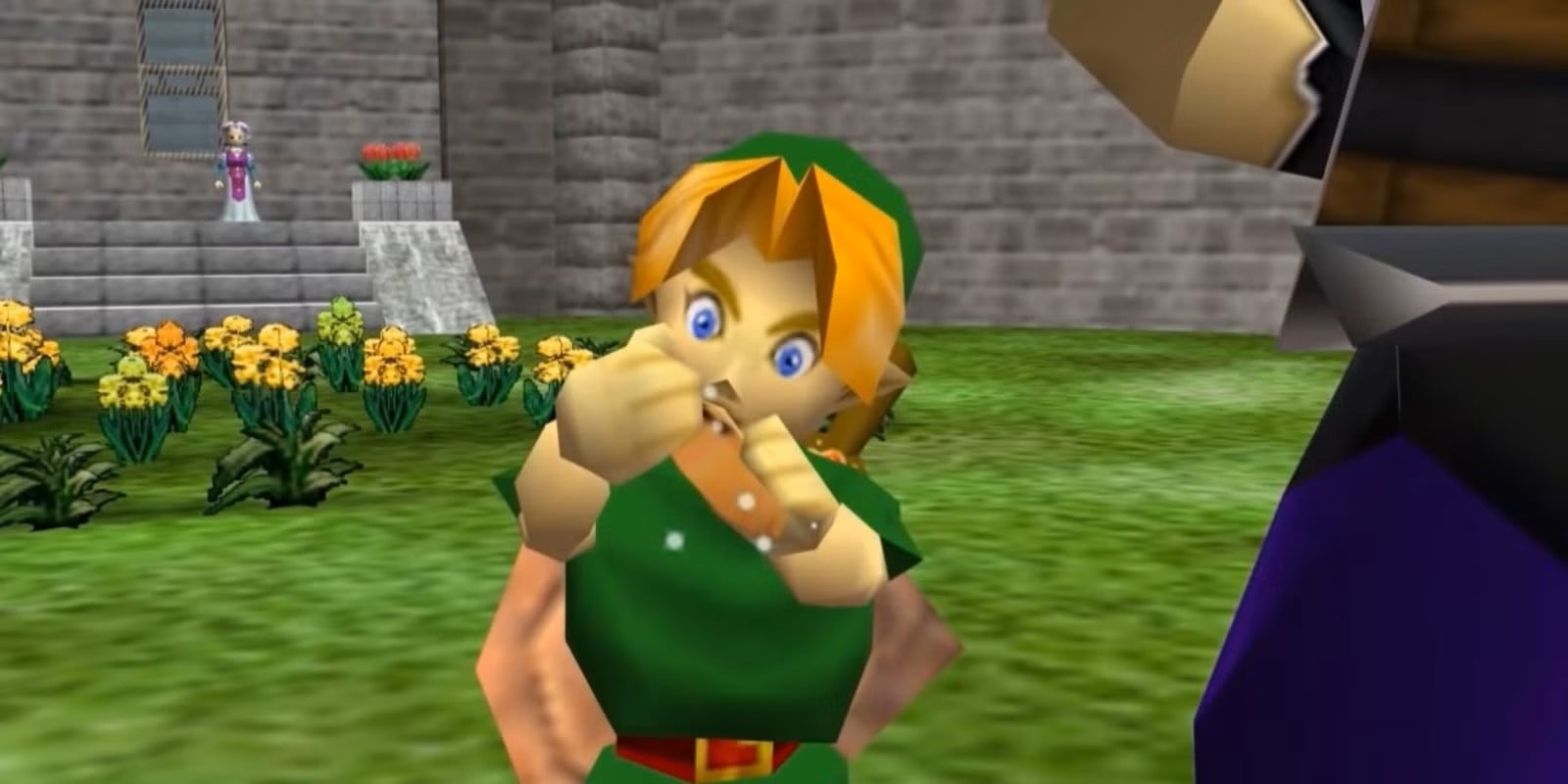
Nearly three decades after The Legend of Zelda: Ocarina of Time first appeared on Nintendo 64, speedrunners have uncovered a recently reported glitch that changes how some late-game bosses can be handled. Shared publicly by veteran runner ZFG and reported by multiple outlets, the trick lets a bottled item overwrite enemy damage values when used at an exact frame as a hitbox disappears. That opens the door to defeating Volvagia and Ganondorf without the Megaton Hammer or Light Arrows respectively, and it also appears to work in Majora’s Mask with spring water producing powder-keg-like damage. At NintendoReporters we followed the initial tests and community reaction: the glitch is powerful but situational, requiring specific setups and precise timing, so its impact will vary across categories like No Wrong Warp, All Dungeons, and randomizers. If you want to try it, current reports say it works on original cartridges and on the Nintendo Switch Online build, while coverage of the upcoming remake for Nintendo Switch 2 continues alongside these findings.
How the New The Legend of Zelda Ocarina of Time glitch was discovered and why it matters
The discovery started with speedrunner ZFG posting the technique on social media, and outlets picked up the find quickly because of its potential to affect well-known boss fights. The method involves timing a bottled item use at the exact moment an enemy hitbox disappears, which causes the bottle to overwrite damage values in memory. On the surface that sounds like a small technical quirk, but the practical results are significant: attacks or small items can inherit far stronger damage properties, letting Link clear encounters that usually require specific boss items. For the speedrunning community, that can translate to new routes, alternate setups, and occasionally large time saves. For casual players the glitch is mostly a curiosity, but for runners and randomizer players it becomes a puzzle to solve – can the setup be made consistent enough to offset the time it costs to get the required items? The answer will shape whether the trick becomes a staple in competitive runs or remains a niche trick used in special categories.
What the trick actually does in-game
Technically, the glitch manipulates how the game reads and writes memory related to damage flags and hitboxes. By using a bottled item – a fairy, hot spring water, bugs, or similar – at the precise frame when an enemy hitbox unloads, the game can replace the expected damage values with those associated with the bottle use. Practically speaking that means a regular melee or a slingshot hit can suddenly deal damage similar to a Megaton Hammer strike or mimic magic-level damage. Players testing the exploit have found a relatively consistent combo in Ocarina of Time: perform Link’s magic spin attack and then use a bottled fairy at the split-second the hitbox vanishes. The same broad behavior shows up in Majora’s Mask, where magic spin followed by spring water can replicate Powder Keg damage. Because the effect depends on memory timing, different hardware and emulators can affect consistency, which is why runners emphasize testing on the Switch Online version and original carts before trusting it in runs.
Immediate applications – Volvagia and Ganondorf
Two headline uses have already drawn attention. First, Volvagia in the Fire Temple is normally vulnerable to the Megaton Hammer, which is expected to be acquired during the dungeon. The new trick can let runners land hits that defeat the dragon without the hammer, removing an item gate in categories where the hammer is delayed or absent. Second, Ganondorf’s castle encounter has long relied on Light Arrows to stun or otherwise enable the final sequence; runners have demonstrated versions of the glitch that allow damage to be applied in ways that circumvent that requirement. Both of these are situation-dependent and require careful setup, but they’re exactly the type of changes that can reshape specific categories, spawn new rulesets, and free up routing creativity. Randomizer players may see the biggest practical benefit because the glitch reduces the number of seeds that are rendered unwinnable by missing essential boss tools.
How this affects different speedrun categories
Not every category benefits equally from a new trick. Mature runs like All Dungeons often skip items such as the Slingshot or magic, and since this technique needs one of those components it may add a detour that costs more time than it saves. No Wrong Warp, on the other hand, looks primed to gain: it commonly requires a long sequence to obtain magic, and replacing that lengthy process with a shorter slingshot pickup plus a reliable damage overwrite could save minutes in a full run. Randomizers are the most immediate winners because the trick removes hard item gates that make certain seeds impossible or massively slow. That said, runners will run full routing and timing experiments before adopting any change wholesale. The community’s testing process is methodical: verify the trick across versions, measure time cost vs benefit, and confirm consistency under pressure. If the glitch proves consistent and the item collection cost is low, it will shift leaderboards; if not, it will live in highlight reels and niche categories.
Why hardware and emulation matter for consistency
Tiny timing windows make hardware differences and emulator cores a big deal. The glitch depends on frame-precise inputs and how memory gets loaded and unloaded, so any dropped frames, input lag, or timing divergence can break the effect. That is why testers report better consistency on original cartridges and the Nintendo Switch Online version than on many third-party emulators or low-power retro handhelds. If you practice the setup you should favor a stable environment with minimal input lag; handheld emulators that drop frames can be a frustrating practice platform for a technique that needs near-perfect timing. This also explains why initial community testing often emphasizes a few supported platforms first and then expands experiments across other builds. If you plan to try the glitch yourself, start on Switch Online or original hardware and record attempts so you can replay the exact frames and refine timing.
Majora’s Mask crossover and other surprises
The same memory-behavior that enables the Ocarina trick appears in Majora’s Mask, where the combination of magic spin and spring water can produce Powder Keg-level damage. That has obvious sequence-breaking potential – for instance, accessing the Goron Racetrack or Romani Ranch faster – and it highlights how both games share low-level systems that can produce parallel exploits. Discoveries in one Zelda title often inspire tests in the other, and this is another example of how knowledge transfers between the two. Beyond the two headline bosses, community members are already testing other uses: breaking certain boulders, bypassing item checks, and even creative uses in Deku form. Each new practical application will be catalogued by runners and glitch hunters, who will then judge whether the trick is a routing tool or a curiosity best left for highlight reels.
Where you can try it and what to expect
Reports indicate the glitch can be reproduced on original Nintendo 64 cartridges and on the Nintendo Switch Online version, making it accessible to modern players without specialized hardware. The trick reportedly does not work on older remakes such as the 3DS port in some cases, and it’s unlikely to function identically in the upcoming Switch 2 remake – though previews and remake testing continue ahead of that release. If you plan to experiment, use a reliable platform, set up a recording method, and prepare for a steep timing curve. Expect to need the Slingshot or magic in most setups, a bottle with appropriate contents, and practice to land the frame-perfect bottle use. For randomizer players, this trick can turn previously difficult seeds into viable runs, so seeds that once felt hopeless may now be beatable with a clever setup.
How the community is approaching verification and adoption
Runners are taking a cautious, data-driven approach: verify across platforms, test many permutations of attack and bottle contents, and measure the net time savings across full routes rather than isolated fights. That process matters because an isolated boss skip is only valuable if its setup doesn’t cost more in time than it saves. Community tools, shared videos, and collaborative testing sessions will accelerate understanding. As demonstrations are recorded and documented, rule committees for specific categories may debate whether to allow or ban the trick in official runs. Expect weeks of experimentation, rule clarifications, and possibly new subcategories that explicitly allow this particular damage overwrite. For fans and runners, the process of testing and debate is part of the fun – it’s how the community evolves strategies and keeps a nearly 30-year-old game feeling fresh.
Conclusion
This newly surfaced glitch is a reminder that even the most studied games can still surprise us. It offers intriguing route possibilities for speedrunners, practical advantages for randomizer players, and an interesting technical puzzle for glitch hunters. While it’s powerful in specific circumstances, it’s not an instant replacement for established strategies because of its setup needs and timing sensitivity. Whether it becomes a staple in leaderboards or a memorable niche trick will depend on community testing and the balance between setup cost and time saved. Either way, discoveries like this are why NintendoReporters keeps an eye on both modern and classic Nintendo releases, and why fans still love exploring every corner of Hyrule.
FAQs
- What exactly does the Ocarina of Time glitch let you do?
- The glitch lets a bottled item overwrite an enemy’s damage values when used at the precise frame a hitbox disappears, enabling hits that mimic stronger attacks and occasionally defeating bosses without their normal required items.
- Which bosses are affected so far?
- Community testing has shown practical uses against Volvagia and versions of Ganondorf, and testers have also applied the behavior to boulders and other obstacles.
- Does this work on modern versions of the game?
- Reports indicate it works on original Nintendo 64 cartridges and the Nintendo Switch Online build; consistency varies on emulators and handheld cores, and behavior differs on some remakes.
- Will speedrunners adopt it for world records?
- That depends on whether the setup cost and consistency across runs provide a net time savings in full-route testing. Some categories will likely benefit more than others.
- Where can I read more or watch demonstrations?
- Look for videos and breakdowns shared by runners like ZFG and coverage by major sites; NintendoReporters will continue to track community tests and results.
Sources
- After 28 years, new Zelda: Ocarina of Time glitch completely changes 2 major boss fights, GamesRadar+, October 13, 2026
- Link Can Blow Up Boulders With Water In Newly Discovered Ocarina Of Time Glitch, Kotaku, October 15, 2026
- New Ocarina of Time Glitch Could Reshape Volvagia and Ganondorf Speedrun Strategies, GamersExtra, October 13, 2026
- New Ocarina of Time Glitch Works on Switch – and Retro Handhelds, Handheld Spot, October 13, 2026