














Summary:
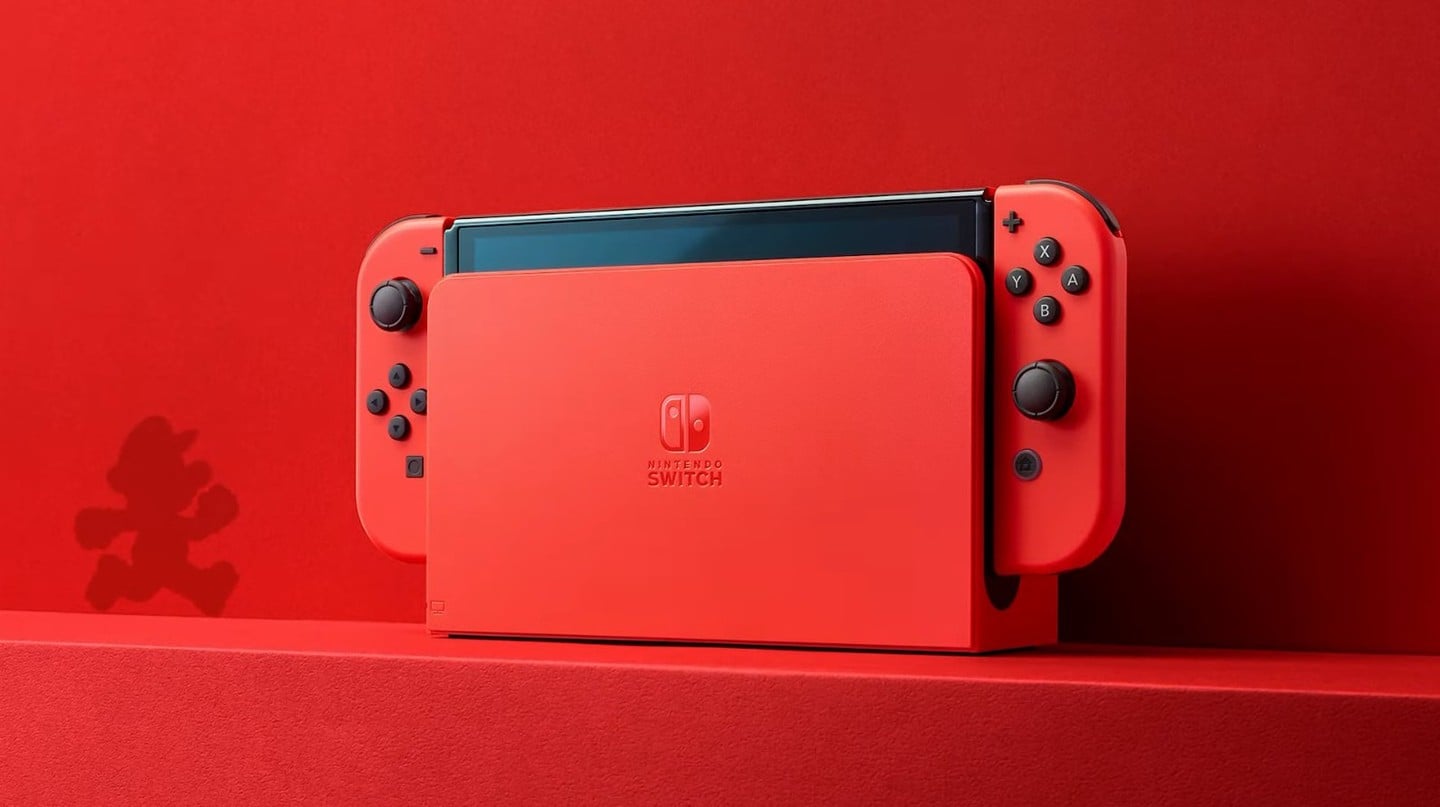
Untold Games believes the original Nintendo Switch still deserves serious attention, even while Nintendo Switch 2 naturally dominates the conversation around Nintendo’s future. Elisa Di Lorenzo, co-founder and CEO of Untold Games, recently pointed to the system’s loyal audience and strong ecosystem as reasons developers should not rush to leave it behind. That matters because the Switch is not just another aging console sitting quietly in the corner. It is one of Nintendo’s most successful systems ever, with a huge player base, a recognizable hybrid identity, and a library that still attracts people who want flexible, approachable play. For developers, the message is simple but important: hardware power matters, but it is not the whole story. A platform can remain valuable when players keep showing up, buying games, and engaging with releases that respect the system’s limits. Untold Games also made a practical point about porting. Bringing a game to Switch becomes far smoother when the platform is considered early in development. When a game is built first for different hardware, porting teams often have to fix problems that were already baked into the foundation. That does not make Switch support impossible, but it does make planning, architecture, and optimization crucial. In a market now looking toward Switch 2, the original Switch may still have room for thoughtful releases that understand its strengths.
Nintendo Switch still has a loyal audience worth serving
The original Nintendo Switch may no longer be the newest piece of hardware in Nintendo’s lineup, but calling it irrelevant would be like calling Mario a side character. Untold Games co-founder and CEO Elisa Di Lorenzo recently argued that the platform still has “a lot of life in it,” pointing to its remarkable ecosystem and loyal audience. That idea lands because the Switch has always been more than a spec sheet. It is a console people built routines around, whether that meant playing on the couch, during a commute, on holiday, or while someone else used the TV. Those habits do not disappear the moment a successor enters the room. Many players keep using older hardware for years, especially when the library is large, familiar, and easy to access. For developers, that creates a real opportunity. A loyal audience is not just a nostalgic crowd waving from the sidelines. It is a group of players that may still respond to carefully chosen releases, smart ports, and games built with the platform’s strengths in mind.
Untold Games sees value beyond raw hardware power
One of the most interesting parts of Di Lorenzo’s comments is the reminder that hardware power is not the only thing players care about. That has been the Switch story from the beginning. Nintendo’s hybrid console was never designed to compete directly with high-end PlayStation, Xbox, or PC hardware on pure performance. Instead, it leaned into flexibility, accessibility, local play, first-party charm, and the simple joy of taking a full console-style experience anywhere. That approach worked because players do not always choose the strongest machine. Sometimes they choose the one that fits their life. Sometimes they choose the one their friends own. Sometimes they choose the one that lets them play a few missions before bed without rearranging the entire living room. Developers who understand that can make better decisions about where to bring their games. A Switch version may need technical care, but it can also reach an audience that values convenience as much as visual sparkle. Pretty pixels are lovely, but playability still wins hearts.
Why Switch ports work best when planned early
Di Lorenzo also made a point that many players rarely see from the outside: every platform becomes more difficult when it is not considered from the start. That is especially true for Nintendo Switch, where memory, CPU limits, GPU limits, storage size, frame pacing, resolution targets, and loading behavior can all shape the final result. When developers think about those constraints early, they can make choices that give a future port room to breathe. That might mean scalable assets, flexible interface design, efficient level streaming, adjustable effects, or engine settings that do not assume endless horsepower. When those decisions are ignored until late in production, the porting process can feel like renovating a house while people are still living in it. Walls have to move, pipes are already in the wrong place, and suddenly every small change touches five other systems. Planning early does not guarantee an easy port, but it can turn a nightmare into a demanding, manageable job.
Late ports can inherit old technical problems
When a game is built around stronger hardware first, a Switch porting team may inherit decisions that were never meant for a portable hybrid system. Large textures, heavy lighting systems, dense city spaces, complex physics, or aggressive streaming setups can all become pain points. At that stage, the porting team is not simply lowering a few settings and calling it a day. It may need to rebuild pipelines, rethink memory budgets, adjust scene density, rewrite systems, or find creative shortcuts that keep the experience intact. That is why Di Lorenzo’s comments about problems being “baked in” matter so much. Once a game’s architecture has settled, changing it can be slow and expensive. Players often only see the final frame rate or visual downgrade, but behind that result sits a long chain of technical decisions. The earlier Switch is considered, the better chance developers have of avoiding rough compromises that make a port feel squeezed into place.
Smart optimization can make older hardware feel alive
Even so, older hardware does not automatically mean weak results. Switch has seen plenty of ports that work because developers understood what to protect and what to trim. The secret is not pretending the system can do everything. The secret is knowing what matters most to the experience. A game built around atmosphere might preserve art direction and audio mood while reducing resolution. A fast action game might focus on stable performance before visual extras. A story-driven release might prioritize readable text, clean controls, and smooth loading over effects that most players would barely miss in handheld mode. Good optimization is a bit like packing a suitcase for a long trip. You cannot bring the whole wardrobe, so you choose what truly matters. When done well, the player still gets the heart of the experience, even if some technical luxuries stay at home. That is where Switch development can still shine.
Batman: Arkham Trilogy shows the ambition and risk of major Switch ports
Batman: Arkham Trilogy is a useful example because it represents both the excitement and pressure of bringing big, familiar games to Nintendo Switch. The package brings together Batman: Arkham Asylum, Batman: Arkham City, and Batman: Arkham Knight, along with downloadable material, on a system that was never built around the same technical assumptions as the original high-end console and PC releases. For fans, the appeal is obvious. Having Gotham’s shadowy streets, combat encounters, detective work, and villain-heavy drama available on a portable Nintendo system is a powerful pitch. Who would not want to slip into the cape while sitting on the sofa or traveling? Yet releases like this also carry risk because expectations arrive fully formed. Players remember how these games looked and felt elsewhere. A Switch port has to balance ambition with reality, and that balance can be unforgiving. The trilogy shows why developers need careful planning, realistic targets, and a sharp sense of which parts of the experience are truly non-negotiable.
Switch 2 does not erase the original Switch overnight
New hardware always creates a shiny distraction. The launch window brings new features, better performance, fresh marketing, and plenty of excitement. Still, console transitions are rarely instant clean breaks. The original Switch has a massive installed base, and many owners will not move to Switch 2 immediately. Some may wait for a price drop. Some may wait for a specific game. Some may be perfectly happy with their current library. Others may own multiple Switch systems in a household and keep using them alongside newer hardware. That means the original Switch can continue to matter commercially, especially for releases that fit its capabilities and audience. The smart question is not whether Switch 2 is more powerful. Of course it is. The better question is whether the original Switch still has players worth reaching. Based on Untold Games’ comments, the answer remains yes, provided developers treat the system with care rather than as an afterthought.
Player habits often outlast hardware launches
Players do not always upgrade on schedule. Real life gets in the way, and gaming habits are often built around comfort more than novelty. A parent who bought a Switch for family gaming may not feel the need to replace it quickly. A player with a huge backlog may still have dozens of games waiting patiently on the home screen. A younger fan might receive a used Switch before ever touching Switch 2. That long tail is part of what made the original Switch so valuable. Its identity is clear, its library is enormous, and its use cases are easy to understand. Developers who dismiss that audience too quickly may leave money and goodwill on the table. There is also a trust factor here. When players see continued support for hardware they still use, it makes the ecosystem feel healthier. Nobody wants to feel as if their console turned into a pumpkin at midnight just because a new model appeared.
Families, collectors, and casual players still matter
The Switch audience is not one single crowd moving in lockstep. It includes families sharing a system, collectors buying physical releases, casual players checking the eShop, children discovering Nintendo for the first time, and longtime fans who simply enjoy handheld flexibility. That variety is part of the platform’s staying power. A visually demanding blockbuster may struggle to justify a late Switch release, but smaller games, smartly optimized ports, indie releases, narrative adventures, puzzle games, retro collections, cozy releases, and family-friendly experiences can still make sense. The hardware may be older, but the audience is not imaginary. It is sitting on trains, couches, beds, and kitchen tables with Joy-Con controllers that have probably seen a few snack crumbs too many. Developers who understand this can choose projects more wisely. Not every game needs to come to Switch, but the right game can still find a warm audience there.
Developers can treat Switch support as a strategic choice
Supporting the original Switch in the Switch 2 era should not be automatic, but it should not be dismissed either. It is a strategic choice that depends on the game, the audience, the engine, the expected performance target, and the cost of optimization. Some projects will make far more sense on Switch 2 alone. Others may benefit from reaching both systems, especially when scalable design has been considered early. For third-party developers, the key is honesty. Can the game run well enough to respect players? Can the interface work in handheld mode? Can loading times, frame rate, and image quality land at a level that feels fair? When the answer is yes, Switch support can still be valuable. When the answer is no, forcing a version may do more harm than good. Treating Switch support as a careful business and design decision is far better than treating it as a checkbox.
Why Nintendo’s hybrid console still has commercial weight
Nintendo’s own sales data continues to show why the original Switch cannot be ignored lightly. As of March 31, 2026, Nintendo lists the Nintendo Switch family at 155.92 million hardware units and 1,528.14 million software units sold. Those numbers are not just trivia for message boards. They show the scale of a platform that has become part of gaming culture over nearly a decade. Even as attention shifts toward Switch 2, the original system’s reach remains enormous. For publishers, that kind of installed base can be tempting, especially when a project can be adapted without breaking its identity. Of course, size alone does not guarantee success. The eShop is crowded, players are selective, and weak ports can be punished quickly. Still, a large, loyal audience gives developers a reason to run the numbers carefully rather than assume the door has closed. In business terms, the Switch still has a pulse. In player terms, it still has plenty of saved games waiting to be finished.
The lesson for developers looking at Nintendo platforms
The clearest lesson from Untold Games’ comments is that Nintendo platforms reward early thinking. Developers who want to support Switch, Switch 2, or both need to consider performance targets, asset scaling, memory use, controls, portability, and audience expectations before the project becomes too rigid. That does not mean every creative idea has to be watered down. It means technical ambition needs a plan. Switch players are often forgiving when a game is thoughtfully adapted, but they can tell when a version has been squeezed onto the hardware without enough care. The difference is visible in frame pacing, text readability, loading behavior, and whether the game still feels good in the hands. A strong port respects the original vision while accepting the platform’s reality. That balance is difficult, but it is also where skilled porting teams earn their reputation. The best Switch releases do not ask players to lower every expectation. They show that smart design can still work within tight limits.
What this means for future Switch releases
The original Switch is now in a different stage of its life, and that stage requires sharper decisions. Developers may increasingly reserve ambitious new projects for Switch 2, while still bringing selected releases to the original system when the fit is right. That could mean more indie games, retro collections, visual novels, strategy titles, family releases, lower-spec ports, and projects built with flexible performance targets. It could also mean cross-generation launches where the Switch version is carefully scaled and the Switch 2 version offers smoother performance or richer visuals. The important part is clarity. Players understand that older hardware has limits, but they still expect respect. If a game arrives on Switch, it should feel like someone wanted it to be there, not like it was pushed through the Batcomputer at the last possible second. Untold Games’ comments are a reminder that the platform’s loyal audience remains valuable. The developers who serve that audience well may still find meaningful success on Nintendo’s original hybrid system.
Conclusion
Untold Games’ view of the Nintendo Switch feels grounded because it recognizes two truths at once. Switch 2 is now the newer, stronger system, and the original Switch is still home to a huge, loyal audience. Those ideas can exist side by side. For developers, the decision to support Switch should come down to planning, technical fit, and respect for the player experience. A rushed or poorly optimized port can damage trust, but a carefully handled release can still make sense on a platform that millions of people continue to use. The Switch has never needed to win a hardware power contest to matter. Its strength has always been convenience, character, and the ability to meet players where they are. That is why the system still deserves attention, even as Nintendo’s future moves forward.
FAQs
- Did Untold Games say the Nintendo Switch still has life left?
- Yes. Untold Games co-founder and CEO Elisa Di Lorenzo said the Switch has a remarkable ecosystem, a loyal audience, and a lot of life in it. The comment points to the system’s continued value even as Switch 2 draws more attention.
- Why does the original Switch still matter after Switch 2?
- The original Switch still matters because it has a very large player base, a strong library, and many owners who may not upgrade immediately. Console transitions usually take time, so older hardware can remain relevant when players keep using it.
- What makes Switch ports difficult for developers?
- Switch ports can be difficult when a game was built around stronger hardware without considering portable performance limits. Developers may need to adjust memory use, visuals, loading systems, frame rate targets, controls, and overall architecture.
- Should every new game still come to Nintendo Switch?
- No. Some games may be better suited to Switch 2 or other platforms. A Switch version makes sense when developers can deliver a stable, respectful experience that keeps the spirit of the game intact.
- What can developers learn from Untold Games’ comments?
- Developers can learn that platform planning should happen early. When Switch-specific limits are considered from the start, a port has a better chance of running well and feeling natural instead of compromised.
Sources
- Batman: Arkham Trilogy port studio says Nintendo Switch has “a lot of life in it” still due to a very “loyal audience”, FRVR, May 14, 2026
- Batman: Arkham Trilogy port studio says Nintendo Switch has “a lot of life in it” with very “loyal audience”, My Nintendo News, May 14, 2026
- Dedicated Video Game Sales Units, Nintendo, March 31, 2026
- Batman: Arkham Trilogy for Nintendo Switch, Nintendo, November 30, 2023
- Warner Bros. Games and DC Launch Batman: Arkham Trilogy on Nintendo Switch, Warner Bros. Discovery, December 1, 2023