














Summary:
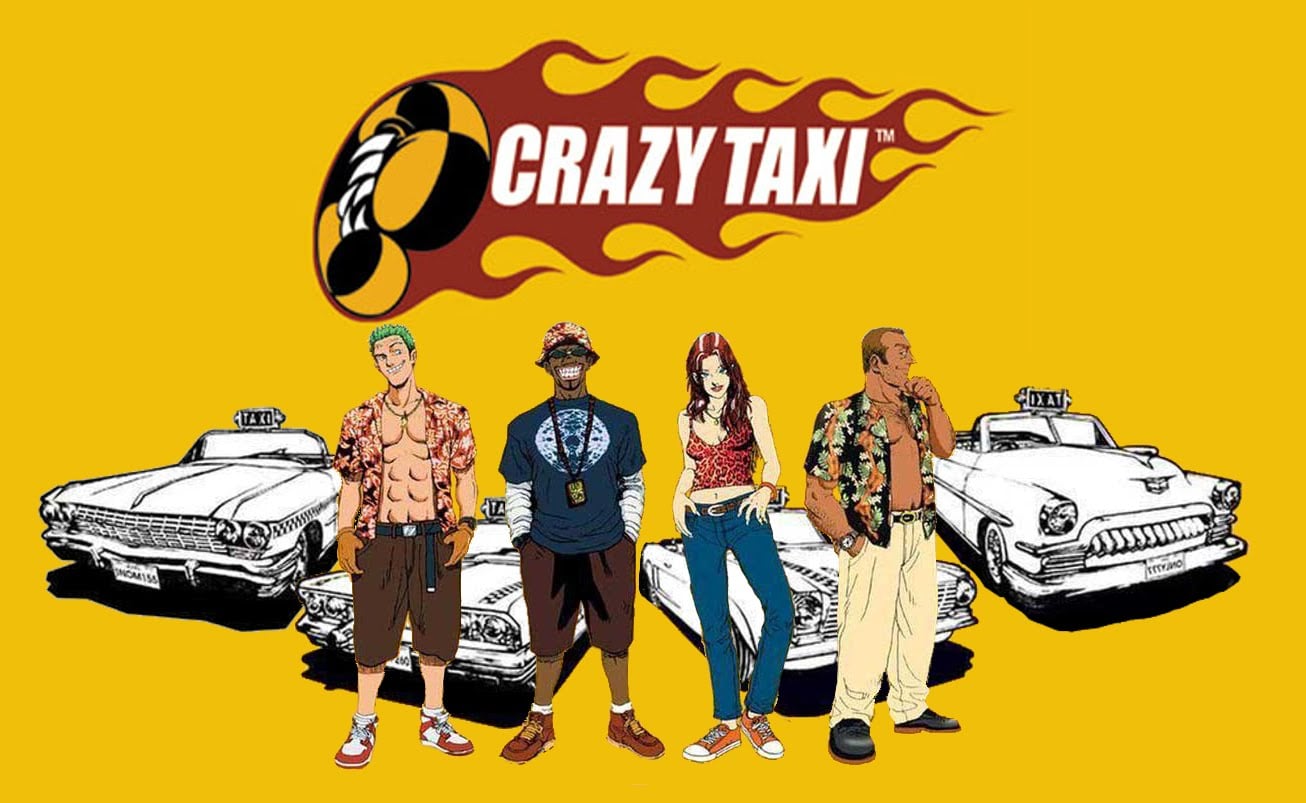
SEGA’s long-awaited Crazy Taxi revival is back in the conversation after the series’ official social channels shared a brief teaser built around one simple image: a taxi light turning on. That may not sound like much on paper, but for a franchise that has been mostly quiet for years, it works like a spark in a room full of gasoline. The new Crazy Taxi game was first confirmed as part of SEGA’s broader plan to revive several classic franchises, including Jet Set Radio, Shinobi, Golden Axe, and Streets of Rage. Since then, details have been limited, although previous development updates have described the project as a large-scale, AAA-style driving game with a massively multiplayer angle. That combination immediately raises big questions. Can Crazy Taxi keep its old arcade energy while stretching into a modern online format? Can SEGA capture the wild rhythm of picking up fares, smashing through traffic, and racing against the clock without losing the simple joy that made the original so memorable? For now, SEGA has not shared a release date, platforms, or a full gameplay reveal, but the new teaser strongly suggests the revival is moving forward. For longtime fans, that glowing taxi sign feels less like a tiny clip and more like a familiar engine finally turning over again.
Crazy Taxi is finally flashing its taxi light again
Crazy Taxi has always been the kind of game that announces itself with noise, color, speed, and just enough bad driving to make traffic laws feel like polite suggestions. That is why even a tiny teaser can hit harder than expected. SEGA’s official Crazy Taxi channels recently shared a brief video centered on a flashing taxi sign, giving fans the first real social media signal in years that the revival is still very much alive. There was no long trailer, no gameplay breakdown, and no dramatic speech from a developer standing in front of a giant screen. Just a taxi light. Yet for this series, that tiny image says plenty. It tells players that SEGA remembers the name, understands the nostalgia, and is preparing to bring the franchise back into view.
Crazy Taxi has posted a new teaser video, possibly hinting at a new gamepic.twitter.com/gNF57BaUgq
— Dexerto (@Dexerto) May 22, 2026
Why SEGA’s teaser has fans paying close attention
The reason this teaser matters is simple: Crazy Taxi has been quiet for a long time, and silence can make fans nervous. When a company announces a revival and then says very little afterward, players naturally wonder whether the project is still moving, stuck in traffic, or parked somewhere behind the studio. This new tease helps answer at least part of that question. The project has not disappeared. The taxi light is on, the engine appears to be warming up, and SEGA seems ready to remind people that Crazy Taxi is part of its future plans. That matters because Crazy Taxi is not just another old name being pulled off a shelf. It is one of SEGA’s most instantly recognizable arcade concepts, built around speed, reckless fun, and that addictive one-more-run feeling.
SEGA is using a tiny signal to build a much bigger reaction
A five-second teaser might seem small, but small signals can be powerful when they land at the right moment. Crazy Taxi does not need an elaborate cinematic to get people talking because the core idea is already burned into gaming memory. A taxi roof light turning on is enough to make fans think about steep hills, wild shortcuts, impatient passengers, and routes that somehow involve more airborne vehicles than any city planner would approve. That is smart teaser design. It gives away almost nothing, but it taps into everything people already associate with the series. The clip works because it trusts the audience to understand the symbol. When that taxi light flashes, fans do not just see a sign. They hear the clock ticking.
What SEGA has already confirmed about Crazy Taxi
SEGA officially confirmed a new Crazy Taxi project in December 2023, when it revealed a wider initiative built around returning classic franchises. That announcement placed Crazy Taxi alongside Jet Set Radio, Shinobi, Golden Axe, and Streets of Rage, making it clear that SEGA was not treating the taxi game as a one-off nostalgia experiment. It was part of a broader strategy to bring recognizable names back for modern players. Since then, the company has not released a full public gameplay breakdown for Crazy Taxi, but earlier development information has pointed toward a larger, more ambitious project than a simple remake. That is where things get interesting, because Crazy Taxi’s old magic came from speed and simplicity, while the new version appears to be reaching for something much bigger.
The reboot has been described as a large-scale driving project
Previous reporting around SEGA’s development plans has described the new Crazy Taxi as a AAA-style game with a massively multiplayer driving concept. That is a major shift from the classic structure, where the goal was usually clear within seconds: grab a passenger, race to the destination, earn money, and keep the timer alive. A multiplayer version could turn that formula into something more social, competitive, and unpredictable. Imagine a city packed with other players all chasing fares, racing through traffic, cutting across sidewalks, and fighting for the fastest routes. It could become arcade chaos on a bigger map. Of course, scale alone is not enough. The challenge is making that bigger world feel sharp, fast, and funny rather than bloated or overly serious.
SEGA Sapporo Studio appears to be playing a key role
Development details previously connected the project with SEGA Sapporo Studio, a team that has been tied to the effort through recruitment materials and public reporting. That matters because large-scale online driving systems are not small weekend tasks. A game built around many players, city movement, fast vehicle handling, and constant activity needs strong technical foundations. It also needs a clear sense of identity. Crazy Taxi cannot simply become another open-world driving space with a familiar logo slapped on the roof. It needs to feel like Crazy Taxi from the first sharp turn. The cars need to snap, the routes need to reward nerve, and the city needs to feel like a playground where the best path is rarely the safest one.
The return of classic Crazy Taxi talent would be a major confidence boost
One of the most encouraging details from earlier coverage is the reported involvement of Kenji Kanno, who directed the original Crazy Taxi and has been linked to the reboot through recruitment-related information. That kind of connection matters because Crazy Taxi has a very specific rhythm. It is not just a driving game with passengers. It is a game about momentum, route reading, and controlled panic. Having creative experience from the original era involved could help the new version avoid sanding off the rough edges that made the series fun in the first place. Nobody wants Crazy Taxi to return as a polite driving simulator. It should be loud, risky, and slightly unhinged in the best possible way.
The multiplayer driving idea could change the formula
Crazy Taxi becoming a massively multiplayer driving game is both exciting and risky. On the exciting side, the concept practically invites chaos. A city filled with players competing for fares, discovering shortcuts, and creating spontaneous road madness could feel like an arcade cabinet exploded into an online playground. On the risky side, multiplayer design can easily pull attention away from what made a series special. If the new Crazy Taxi becomes too focused on progression systems, menus, cosmetic loops, or live-service noise, the simple thrill of the drive could get buried. The best version of this idea would use multiplayer to amplify the classic formula, not replace it. Players should still feel that old pressure of the ticking clock, even when the city is full of other drivers.
Competition could make every fare feel more intense
A multiplayer Crazy Taxi could turn passenger pickups into miniature battles. Instead of simply spotting a fare and racing to the curb, players might need to beat other drivers to the same opportunity, choose smarter routes, or decide whether to chase a high-value passenger across town. That kind of competition could add a fresh layer to the classic loop. It also fits the attitude of the series. Crazy Taxi has never been calm. It is about making messy choices quickly, often while barreling through traffic like the city owes you money. If SEGA leans into that pressure, multiplayer could make the game feel even more alive. The city would not just be a backdrop. It would become a loud, moving contest.
Online play should not slow down the arcade pacing
The biggest danger is that modern online structure could make Crazy Taxi feel slower than it should. This is a series that thrives on instant action. Players should be able to jump in, floor it, and start earning fares without wading through too many screens. If the new game adds multiplayer hubs, matchmaking, vehicle upgrades, and seasonal systems, those pieces need to stay out of the way of the driving. The fantasy is not standing around a garage comparing menu stats. The fantasy is blasting through a city at absurd speed while a passenger screams encouragement from the back seat. Every modern feature should serve that feeling. If it does not, it belongs in the trunk.
A strong solo option would still matter
Even if multiplayer becomes the headline feature, Crazy Taxi should still offer a satisfying way to play alone. Many fans fell in love with the series because it was easy to understand, hard to master, and perfect for quick sessions. A strong solo structure would help preserve that appeal. It could include timed challenges, route mastery, leaderboard chasing, passenger chains, and city-based skill trials. Not every player wants a crowded online world every time they play. Some just want to chase a better score, shave seconds off a route, and feel that delicious frustration when a perfect run falls apart because of one badly timed bus. That old-school loop deserves a seat in the new cab.
Why Crazy Taxi still matters after all these years
Crazy Taxi remains memorable because it captured arcade energy in a way few games could match. The original was not complicated, but it was packed with personality. It took a simple job, picking up passengers and dropping them off, and turned it into a frantic sport where speed mattered more than dignity. The city felt like a stunt course disguised as a place where people supposedly lived. Hills became launch ramps, sidewalks became shortcuts, and every second felt like it was slipping through your fingers. That design gave Crazy Taxi a sharp identity. It was easy to explain, easy to start, and hard to stop playing. That kind of clarity is rare, and it is exactly why the name still carries weight.
The arcade spirit gives SEGA a clear identity to protect
SEGA has many beloved franchises, but Crazy Taxi stands out because its appeal is so immediate. You do not need a long tutorial or a giant lore chart. You understand the game the moment the cab starts moving. That is a huge advantage for a modern revival, especially in a crowded market where many games ask for hours of investment before they fully click. Crazy Taxi can be loud and accessible from minute one. The key is resisting the urge to overcomplicate it. Give players a city, a cab, a timer, and a reason to drive like a maniac. Everything else should build around that core. Think of it like seasoning a good meal. Add flavor, but do not drown the dish.
The tone should stay playful rather than realistic
Crazy Taxi works best when it feels exaggerated. The cars should bounce, the passengers should overreact, and the city should bend just enough to support ridiculous driving. If the reboot chases realism too aggressively, it could lose the elastic fun that made the series stand apart. This is not a franchise about obeying traffic patterns with quiet professionalism. It is about turning a simple fare into a miniature disaster movie with a happy ending. A modern version can look beautiful, run smoothly, and offer a large world, but the tone needs to stay playful. Players should feel like they are inside an arcade machine, not sitting through a driving test with better lighting.
SEGA’s wider classic revival plan gives this return more weight
Crazy Taxi is not coming back in isolation. SEGA’s revival push includes several older franchises, which makes the taxi project part of a much larger company move. That matters because it suggests SEGA is thinking beyond one nostalgic release. The company appears interested in rebuilding parts of its classic catalog for modern audiences, and Crazy Taxi may become one of the clearest tests of that strategy. If SEGA can bring back a simple arcade concept and make it feel fresh without losing its identity, it could build trust around other revivals too. Players are often cautious when beloved names return, and fairly so. Nostalgia opens the door, but execution decides whether people stay.
Crazy Taxi could become one of SEGA’s boldest revival projects
Among SEGA’s returning franchises, Crazy Taxi may be one of the trickiest because its original appeal was so direct. A new Shinobi can expand combat. A new Jet Set Radio can build on style and movement. Crazy Taxi, though, has to stretch a very compact idea into something modern without snapping it. That makes the project fascinating. A successful reboot could prove that old arcade concepts can grow into larger experiences while keeping their bite. A weak one could show exactly why some ideas work best when they stay lean. SEGA seems to know the stakes, which may explain why it is teasing carefully rather than flooding fans with unfinished details too early.
The timing feels right for arcade driving to make a comeback
Modern racing and driving games often lean toward realism, car collecting, or massive open worlds with serious progression. There is nothing wrong with that, but it leaves room for something sharper and sillier. Crazy Taxi can fill that space if SEGA gets the tone right. Players still enjoy quick, skill-based fun, especially when it has personality. A new Crazy Taxi could offer the kind of instant gratification that many bigger games forget to deliver. Fast sessions, funny moments, chaotic routes, and replayable challenges could make it stand out. Sometimes players do not want a giant checklist. Sometimes they just want to jump a cab over traffic and somehow call that customer service.
What fans should expect before the next reveal
For now, fans should keep expectations grounded. SEGA has not confirmed a release date, platform list, final title, or full gameplay showcase for the new Crazy Taxi. The teaser suggests movement, but it does not confirm when the next major reveal will happen. That is an important distinction. It is easy for excitement to run ahead of facts, especially when a beloved series finally flickers back to life. The safest reading is that SEGA is preparing the audience for more information, not that every detail is ready to be revealed immediately. Still, the timing of the teaser makes it clear that Crazy Taxi is being placed back in public view, and that alone is enough to get fans watching closely.
A full gameplay reveal needs to answer the biggest questions
Whenever SEGA is ready to show more, the first gameplay reveal needs to answer several obvious questions. How does multiplayer actually work? Is the city open and shared, or are players placed into specific sessions and challenges? Does the game include traditional fare-based play? How arcade-like is the handling? Will there be solo modes? Is progression built around skill, vehicles, customization, or something else entirely? These are the questions that will decide whether fans see the reboot as a true Crazy Taxi return or just a modern driving game borrowing a familiar name. A strong reveal does not need to explain everything, but it should make the core loop instantly clear.
Platforms and release timing remain open questions
SEGA has not yet provided the kind of launch details players naturally want, so platform and timing talk should stay careful. The project was announced as being in development, and the new teaser keeps attention on that fact, but there is still no confirmed public release window in the materials available so far. That means any platform list or date claim should be treated cautiously unless SEGA confirms it directly. For fans, that may be mildly frustrating, but it is better than filling the gaps with guesswork. Crazy Taxi has waited this long. A little patience is easier to accept if the next proper reveal shows a game with real speed, charm, and purpose.
Summer showcases could be a natural place for more news
With major gaming showcases often clustered around early summer, it would not be surprising if fans watch upcoming events closely for Crazy Taxi news. Still, no specific showcase appearance should be treated as confirmed unless SEGA says so. The teaser creates momentum, and momentum often leads to bigger reveals, but timing remains SEGA’s call. The best approach is to see the taxi light as a warning flare rather than a full schedule. Something is happening. The cab has not reached the curb yet, but you can hear it coming from a few blocks away, probably ignoring every speed limit on the way there.
Why the new Crazy Taxi needs speed, chaos, and personality
The new Crazy Taxi has one clear job: make players feel like they are doing something they absolutely should not be doing, while still having too much fun to stop. That is the heart of the series. It is not only about driving fast. It is about driving fast with style, pressure, noise, and a ridiculous sense of confidence. A modern reboot can add online play, bigger maps, sharper visuals, customization, and new challenge structures, but those additions need to orbit the same bright center. Crazy Taxi should feel immediate. It should feel reckless. It should make every trip across town feel like a dare. If SEGA captures that, the revival could be more than nostalgia. It could be a genuinely exciting return.
The city needs to feel like a playground, not just a map
A great Crazy Taxi city is not merely a collection of roads. It is a toy box. Every corner should invite risk, every hill should tempt a jump, and every shortcut should make players feel clever even when they are clearly endangering public property. If the reboot uses a larger world, that world needs density and rhythm. Empty roads would be deadly for this formula. The city should constantly offer choices: take the safe turn, cut through a crowded area, launch over a ramp, or squeeze between traffic with the confidence of someone who has never met an insurance form. That kind of design can make every fare feel different, even when the objective stays simple.
Vehicle handling will make or break the return
For all the talk about multiplayer and scale, Crazy Taxi ultimately lives in the hands. The cab has to feel good immediately. Steering should be responsive, acceleration should feel punchy, and collisions should create chaos without constantly killing momentum. The best arcade driving games understand that fun handling is not the same as realistic handling. Players need enough control to chase skill, but enough looseness to create comedy. If the cab feels heavy, dull, or overly grounded, the magic fades quickly. If it snaps through turns, bounces through traffic, and rewards bold driving, then the old spark can return. In Crazy Taxi, the car is not just transportation. It is the punchline and the hero.
Conclusion
SEGA’s new Crazy Taxi teaser is small, but the reaction around it shows how much affection still surrounds this franchise. A flashing taxi light is all it took to bring back memories of frantic fares, impossible shortcuts, and cities that seemed built specifically for bad decisions at high speed. The reboot still has many questions to answer, especially around its multiplayer direction, scale, solo options, and release plans. Yet the basic promise is exciting. Crazy Taxi has a clean, powerful identity that could shine again if SEGA protects the arcade spirit while building a modern framework around it. The cab is not fully here yet, but the light is on. For fans who have waited years to hear that engine again, that is a pretty good start.
FAQs
- Is SEGA making a new Crazy Taxi game?
- Yes. SEGA officially confirmed a new Crazy Taxi project in December 2023 as part of a wider plan to revive several classic franchises.
- What did the new Crazy Taxi teaser show?
- The teaser was a very brief video focused on a flashing taxi sign, which strongly suggested that SEGA is preparing to bring attention back to the upcoming Crazy Taxi revival.
- Will the new Crazy Taxi be multiplayer?
- Previous development information has described the project as a massively multiplayer driving game, although SEGA has not yet shown exactly how that system will work in regular play.
- Does the Crazy Taxi reboot have a release date?
- No confirmed release date has been announced publicly. SEGA has confirmed the project is in development, but launch timing and platforms remain unconfirmed.
- What should the new Crazy Taxi keep from the original games?
- The reboot should preserve the fast arcade handling, ticking-clock pressure, playful city design, loud personality, and quick pick-up-and-play feel that made the original Crazy Taxi so memorable.
Sources
- SEGA Dives Into its Legacy for New IP Initiative, SEGA, December 8, 2023
- Sega’s Crazy Taxi Revival Shows Signs Of Life In New Five-Second Teaser, Nintendo Life, May 22, 2026
- Sega is teasing the new Crazy Taxi with first social media post in 7 years, Video Games Chronicle, May 21, 2026
- Sega’s Crazy Taxi reboot is a ‘massively multiplayer driving game’, Video Games Chronicle, July 1, 2024
- New Crazy Taxi title will be an open-world, massively multiplayer AAA game, according to Sega, Automaton, July 1, 2024