














Summary:
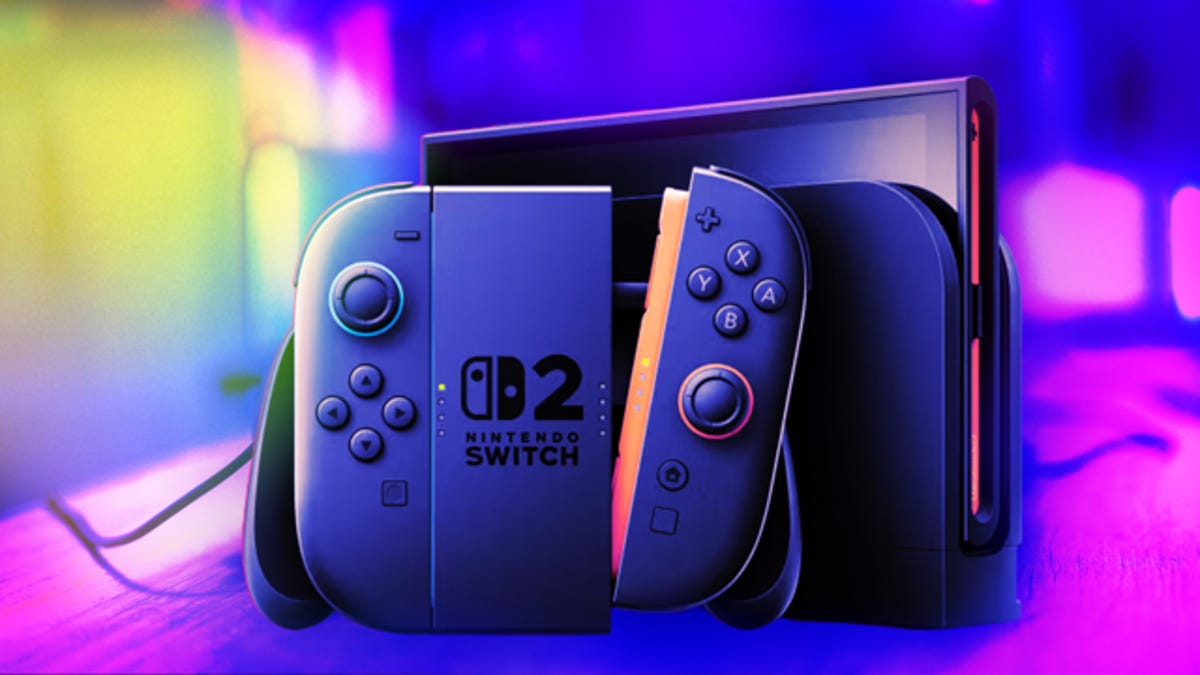
Nintendo Switch 2 has crossed an eye-catching milestone in Japan, moving beyond 5 million units sold in less than a year on the market. That alone tells a powerful story. Japan has always been one of Nintendo’s most dependable territories, but even with that advantage, clearing five million this quickly gives the system real momentum. It is not just about the raw number either. It is about the shape of the market around it. The latest weekly figures show Switch 2 once again out in front on hardware, while its software presence remains just as convincing. When a console leads both the machine race and the software conversation, it usually means something bigger is happening than a one-week spike.
The weekly software chart helps explain that strength. Pokemon Pokopia stayed in first place with another 45,484 physical copies sold, pushing its lifetime total to 867,171. Mario Kart World kept rolling with more than 8,000 additional copies, while evergreen titles like Minecraft and Animal Crossing: New Horizons continued to pull strong numbers. That is the kind of lineup platform holders dream about. It mixes fresh releases, proven system sellers, family-friendly favorites, and long-tail hits that just keep moving. Capcom also showed up twice in the top ten, adding more variety to a chart that still leaned heavily toward Nintendo hardware.
What stands out most is how comfortable Nintendo looks in this market right now. Switch 2 is selling strongly, older Switch models are still contributing meaningful numbers, and multiple first-party titles are stacking up healthy lifetime totals. Even when PlayStation 5 shows resilience in certain categories, the broader weekly picture still tilts heavily toward Nintendo. In Japan, that matters. Hardware wins are nice, but they feel even louder when players are also filling their shelves with games tied to the same ecosystem. Right now, Nintendo is not just present in the conversation. It is setting the rhythm.
Nintendo Switch 2 reaches a major sales milestone in Japan
Nintendo Switch 2 moving past 5 million units sold in Japan is the kind of milestone that instantly changes the tone of the market conversation. A strong launch can create noise, headlines, and a burst of excitement, but reaching a figure like this shows something steadier and more important. It shows follow-through. The system is not living off launch-week adrenaline alone. It is continuing to attract buyers months after release, and that matters because sustained momentum is what separates a hot debut from a real market leader. Japan has long been fertile ground for Nintendo hardware, yet even with that history in mind, crossing 5,011,059 units while the system has only been available since June 5, 2025 still feels like a loud statement. It suggests the machine has found a comfortable place in everyday buying habits, not just among early adopters but among households that may have waited a bit before jumping in. That wider appeal is often where the most durable success begins. When a console starts to feel less like an event purchase and more like the obvious thing to own, the road ahead usually looks pretty healthy.
Why the five million mark matters so much
Numbers can be dry on their own, but this one carries real weight because of what it says about speed, confidence, and platform health. The comparison with PlayStation 5 is revealing. Sony’s system has now passed 7.5 million in Japan, which is a strong lifetime result, but it launched back in 2020. Switch 2 reaching five million in a much shorter window underlines how quickly Nintendo has built traction in its home market. That does not mean the full race is over or that one platform tells the entire story, but it does show where the weekly energy is right now. Think of it like a packed train platform. Plenty of people may be headed in different directions, but one line clearly has the crowd. That line, right now, is Switch 2. The milestone also matters because it gives developers, publishers, and retailers another reason to lean harder into the platform. A large install base makes software planning easier, shelf space more attractive, and marketing decisions less risky. Once a system reaches this kind of threshold, the success of the hardware starts feeding future software support, and then the software strengthens the hardware even more. That loop can be hard to break once it gets going.
Japan continues to reward Nintendo’s home turf advantage
There is also a cultural rhythm to this result that should not be ignored. Nintendo has always had unusual strength in Japan because its hardware tends to match local play habits so well. Portable-friendly design, broad age appeal, and an ecosystem full of familiar series create a sense of comfort that competitors often struggle to match. Switch 2 may be newer and more powerful, but it still benefits from that same trust. Buyers know what kind of experience Nintendo usually delivers. They know the machine will be stocked with first-party names they care about. They know the platform will welcome family play, solo play, quick sessions, and long sessions without making a fuss about it. That kind of familiarity is valuable. In a market where routines matter and buying habits can stay loyal for years, Nintendo does not need to convince everyone from scratch each generation. It starts the race with a head start, and Switch 2 is making very good use of it.
Momentum matters more than one flashy headline
The most impressive thing about the latest figure may be how natural it feels. That sounds strange, because five million is not small by any standard, but the current sales rhythm makes the milestone look less like a surprise and more like the next logical step. Weekly hardware sales of 59,543 are not just healthy. They show the machine is still moving with purpose. There is no sign here of a sudden collapse after the early rush. Instead, the pace looks stable enough to keep building. That is usually the clearest signal that a console’s audience is still growing in layers. First come the enthusiasts, then the loyal brand buyers, then the households that start noticing the system everywhere and decide it is time. Once that third wave joins in, the market can get very noisy for competitors. Nintendo appears to be in a strong position to keep benefiting from that pattern.
Pokemon Pokopia keeps its grip on the weekly chart
At the top of the software rankings, Pokemon Pokopia once again claimed first place with 45,484 physical copies sold for the week, lifting its lifetime total to 867,171. That is not a tiny edge or a lucky hold. It is a meaningful continuation of sales power. Pokemon remains one of those rare brands that can behave like gravity. It pulls attention, pulls family buyers, pulls collectors, and pulls curious players who simply do not want to be left out of the conversation. Pokopia seems to be benefiting from that broad pull in exactly the way Nintendo and The Pokemon Company would have hoped. It is not just charting. It is setting the pace of the chart. That matters because a strong market leader can color the whole perception of a platform. When the number-one game is tied to the hottest console, the system begins to look even more desirable. It becomes a package in the public imagination. Buy the machine, join the fun, play the hit everyone is talking about. That kind of momentum is hard to manufacture, but once it appears naturally, it tends to feed itself.
Strong weekly sales and a healthy lifetime total tell the same story
Pokopia’s weekly result looks even better when paired with its lifetime number. Nearly 867,000 physical copies already puts it in very sturdy territory, and it still has enough fuel to lead the weekly chart by a comfortable margin. That combination says a lot. Some games burst out of the gate and fade fast. Others start modestly and build through word of mouth. Pokopia is showing something more balanced. It has both a sizable installed audience and enough ongoing demand to keep adding meaningful weekly gains. That is the dream shape for a major release. It suggests the game is not only reaching dedicated fans early, but also continuing to attract newer buyers who may have picked up the system more recently. You can almost picture the retail shelves doing a quiet little victory dance every weekend. Nintendo loves a game that sells like this because it keeps showing up long after the launch posters have started curling at the corners.
Mario Kart World shows the value of staying power
Second place went to Mario Kart World with 8,131 copies sold, pushing its lifetime total to 2,888,474. That number is enormous, but what makes it especially valuable is how familiar the pattern feels. Mario Kart games do not merely launch well. They linger. They become defaults. They are the sort of purchase people make because they just bought the console, because friends are coming over, because their kids finally asked for it, or because no Nintendo system feels quite complete without one racing game built for cheerful chaos. Mario Kart World seems to be following that tradition with confidence. Its weekly sales are not trying to outmuscle a fresh Pokemon front-runner, and they do not need to. The role it plays is different. It is the dependable evergreen that keeps contributing month after month, making the platform feel safer, richer, and more socially useful. Not every hit needs to scream. Some just keep winning quietly.
Nearly three million copies gives Switch 2 another anchor title
A platform becomes much harder to challenge when it has more than one software anchor holding it steady. Mario Kart World is clearly one of those anchors. Lifetime sales nearing 2.9 million in Japan alone put it in elite company, and those results help explain why Nintendo hardware often feels so resilient. Players are not buying into a one-hit ecosystem. They are entering a machine with several trusted destinations already waiting for them. Mario Kart is one of the strongest of those destinations because it crosses age groups so easily. Grandparents can understand it. Kids adore it. Competitive players can take it seriously, and casual players can still laugh when everything falls apart on the final lap. That kind of broad reach gives the game unusual shelf life, and that shelf life helps the hardware stay relevant week after week.
Older Switch games still refuse to fade away
One of the most striking things in the latest chart is how comfortably older Switch software still holds its ground. Minecraft sold 5,186 copies and Animal Crossing: New Horizons added another 4,710, with lifetime totals of 4,182,507 and 8,415,833 respectively. Those are towering numbers, but the weekly additions matter too. They show that the wider Nintendo ecosystem is not split into a clean old-versus-new divide. Instead, the market behaves more like a living neighborhood where new houses keep going up while the older ones remain busy and well-loved. Buyers are still showing up for legacy Switch software because those games continue to feel relevant, accessible, and easy to recommend. That has real value for Nintendo. It means older catalog titles still help justify the ecosystem to new hardware buyers. Someone picking up a newer machine is not staring at an empty road ahead. They are walking into a city that is already bustling.
Animal Crossing and Minecraft remain everyday staples
There is something almost stubbornly charming about how these games keep selling. Animal Crossing: New Horizons is years old now, yet it still behaves like a warm local cafe that never runs out of regulars. Minecraft, meanwhile, keeps doing what Minecraft always seems to do, which is quietly exist everywhere all at once. Their continued presence tells us that the Japanese market still rewards familiarity when that familiarity comes with replay value and broad household appeal. These are not games people treat as disposable weekend distractions. They are part of routines. They are comfort games, family games, and long-tail purchases that stay relevant because they remain easy to pick up and easy to love. When titles like these keep charting beside newer releases, the platform around them looks deeper and safer for anyone considering a purchase.
Capcom adds another bright spot to the weekly rankings
Capcom had a respectable week with two games in the top ten. Mega Man Star Force Legacy Collection sold 4,956 copies, while Monster Hunter Stories 3: Twisted Reflection added 4,588. Those numbers are not chart-dominating in the same way as Pokemon Pokopia, but they are still meaningful because they show demand spread across more than just Nintendo’s first-party lineup. A healthy platform needs that. It needs outside publishers who can carve out space, build their own audiences, and contribute to the software mix without being swallowed by the biggest names on the shelf. Capcom has long known how to work within Nintendo ecosystems, and these results show that relationship still has bite. That is especially true for Monster Hunter Stories 3 on Switch 2, because it suggests the newer hardware is not relying on Nintendo alone to carry player interest.
Monster Hunter Stories 3 helps widen the Switch 2 conversation
Twisted Reflection reaching 58,077 lifetime sales while still adding new weekly copies is a useful sign for Switch 2. It tells players and publishers that the audience is not locked inside only a handful of flagship brands. There is room for role-playing adventures, legacy collections, and other mid-chart performers that flesh out the system’s identity. That matters because variety is part of what turns a hot console into a reliable home for every kind of buyer. Some players arrive for Pokemon. Others arrive for Mario Kart. Others want a role-playing game, a hunting game, a nostalgic collection, or a steady stream of options that keep their library from feeling too predictable. Capcom helping fill that role is good news for Nintendo, and frankly, it keeps the chart from feeling like the same family reunion photo every single week.
Nintendo Switch 2 editions continue to build momentum
The chart also highlighted two Switch 2 edition releases tied to major Nintendo names. Super Mario Bros. Wonder – Nintendo Switch 2 Edition + Meetup in Bellabel Park sold 4,324 copies, while Animal Crossing: New Horizons – Nintendo Switch 2 Edition added 3,706. These numbers may look smaller next to the week leader, but they matter because they show Nintendo is finding ways to refresh familiar software for the newer hardware audience. That is a smart move. New systems thrive when they can offer both brand-new reasons to buy in and upgraded paths for players who want polished versions of proven favorites. Switch 2 editions give Nintendo another layer of flexibility. They can support the new machine, keep beloved names visible, and create renewed retail interest without needing every release to be a giant brand-new blockbuster. Sometimes what players want is not a total reinvention. Sometimes they just want a familiar favorite that runs better, looks better, or feels more at home on the newer console.
These upgraded releases strengthen the ecosystem around the hardware
The lifetime totals here are also worth noting. Animal Crossing: New Horizons – Nintendo Switch 2 Edition is already at 98,786, which suggests a real appetite for upgraded editions when the underlying game already has wide affection. These releases make the platform feel fuller more quickly. They also help bridge generations of buyers, which is useful during the period when a new system is still defining its software identity. Instead of asking everyone to wait for the next major original release, Nintendo can keep shelves active with refreshed versions of proven names. That smooths the transition and gives shoppers more reasons to buy the hardware right now rather than someday. In practical terms, it turns the console from a promise into a place.
PlayStation 5 remains present, but the gap is clear
PlayStation 5 did not vanish from the chart. Crimson Desert sold 3,812 copies, and the PS5 family still put up a combined 13,539 hardware units for the week. That is not nothing, and it would be a mistake to pretend Sony lacks relevance in Japan. Still, the comparison is hard to ignore. Switch 2 alone moved 59,543 units, and Nintendo’s broader family of hardware contributed even more. The result is a weekly picture in which PlayStation feels present but not commanding. That difference matters because momentum in retail often shapes perception just as strongly as the raw lifetime total does. When one ecosystem dominates the weekly rankings in both hardware and software, it becomes the platform that feels hottest in stores, on social feeds, and in casual conversation. That kind of heat tends to attract even more attention.
What the hardware chart says about buyer behavior in Japan
The latest hardware rankings make Nintendo’s position look especially strong. Switch 2 led with 59,543 units, followed by PlayStation 5 Digital Edition at 12,141. Then came Switch OLED at 7,468, Switch Lite at 4,807, and the original Switch at 4,067. Even before considering software, that spread tells us a lot. Japanese buyers are not just buying the newest Nintendo machine. They are still buying into the broader Switch family. That kind of layered demand is unusual and valuable. It means Nintendo is winning both the premium current-generation conversation and the lower-price entry points that remain attractive to different households. Sony still has a foothold, especially through the digital model, but the chart suggests Nintendo’s reach is wider and more flexible right now.
Why Nintendo’s software mix is doing so much heavy lifting
If the hardware chart shows where the market is going, the software chart shows why. Nintendo has a rare blend of fresh hits, long-running evergreen sellers, upgraded editions, and family staples all operating at the same time. Pokemon Pokopia leads the week. Mario Kart World keeps stacking huge lifetime numbers. Animal Crossing and Minecraft remain durable. Even refreshed Switch 2 editions are contributing useful weekly sales. That is a broad attack, and it makes the ecosystem difficult to challenge because there is no single weak point to target. Remove one hit from the conversation and several others remain. For buyers, that means confidence. For retailers, that means dependable turnover. For publishers, that means a machine with a very real audience. Nintendo is not leaning on one miracle release here. It is benefiting from a whole shelf of reasons to care, and that is often what the strongest generations look like when they settle into their stride.
Conclusion
Nintendo Switch 2 passing 5 million units sold in Japan is a major result, but the real story is bigger than the milestone itself. The latest weekly data shows a system with steady hardware demand, a chart-topping Pokemon release, a huge Mario Kart evergreen, and older Switch favorites that still know how to pull their weight. Add in support from publishers like Capcom and the continued visibility of Switch 2 editions, and the overall picture becomes hard to miss. Nintendo is not only leading Japan’s current sales conversation. It is doing so with a healthy blend of new releases, legacy strength, and platform confidence that makes the whole ecosystem look sturdy. Right now, the market rhythm in Japan sounds very Nintendo, and Switch 2 is setting the beat.
FAQs
- How many Nintendo Switch 2 units have been sold in Japan?
- The latest reported weekly totals place Nintendo Switch 2 at 5,011,059 lifetime units sold in Japan.
- Which game was the best-selling physical release of the week in Japan?
- Pokemon Pokopia led the weekly physical software chart with 45,484 copies sold, bringing its lifetime total to 867,171.
- How did Mario Kart World perform?
- Mario Kart World sold 8,131 physical copies during the week and reached a lifetime total of 2,888,474 in Japan.
- How did PlayStation 5 compare in the latest hardware chart?
- The PlayStation 5 family sold a combined 13,539 units for the week, while Switch 2 alone sold 59,543 units.
- Why is this sales update important for Nintendo?
- It shows that Switch 2 is not only selling hardware at a strong pace, but also benefiting from a software lineup that includes new hits, evergreen sellers, and upgraded editions.
Sources
- Famitsu Sales: 3/30/26 – 4/5/26 [Update], Gematsu, April 9, 2026
- Japanese Charts: Switch 2 Hits Another Milestone As Pokémon Pokopia’s Reign Continues, Nintendo Life, April 10, 2026
- Famitsu sales (3/30/26 – 4/5/26) – Nintendo Switch 2 leads hardware sales, Nintendo Everything, April 9, 2026
- Nintendo Switch 2 launches June 5 at $449.99, bringing new forms of game communication to life, Nintendo, April 2, 2025
- PlayStation 5 launches in November, starting at $399 for PS5 Digital Edition and $499 for PS5 with Ultra HD Blu-Ray Disc Drive, PlayStation Blog, September 16, 2020